May Day demonstrations are expected Friday in cities worldwide, with workers citing soaring energy costs and eroding purchasing power as primary grievances. The day serves as a public holiday in many countries, and organizers anticipate significant turnout in major urban centers, though some past protests have escalated into violence. The European Trade Union Confederation, representing 93 trade union organizations across 41 European countries, framed the rallies as a defense of worker interests. "Working people refuse to pay the price for Donald Trump's war in the Middle East," the confederation stated, warning that living standards face destruction without action.
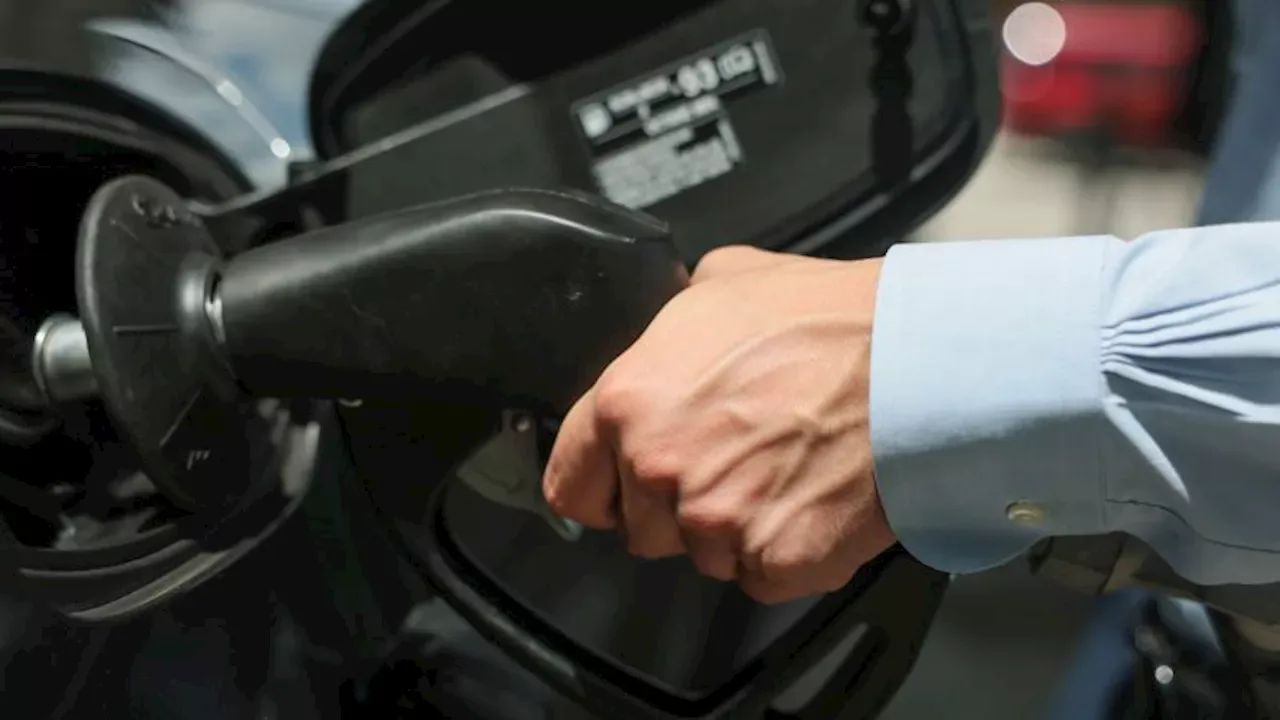
Rising living costs connected to Middle East instability are shaping the messaging across multiple regions. In Manila, protest leaders expect substantial crowds focused on fuel price surges. Renato Reyes, a leader of the left-wing group Bayan, told the Associated Press that workers are demanding higher wages and economic relief, noting that Filipino workers increasingly understand domestic pressures as linked to global crises. Indonesia's labor movement has similarly warned of worsening economic pressures, with Said Iqbal, president of the Indonesian Trade Union Confederation, observing that workers already operate on minimal margins. In Pakistan, where inflation stands at approximately 16%, daily wage earners face impossible choices—Mohammad Maskeen, a 55-year-old construction worker near Islamabad, posed the dilemma starkly: "How will I bring vegetables and other necessities home if I don't work?"

Demonstrations are scheduled across Seoul, Jakarta, Istanbul, and most European Union capitals, with French unions organizing under the slogan "bread, peace and freedom." Italy's government approved nearly 1 billion euros in job incentives this week to promote stable employment and curb labor abuses ahead of the holiday. Portugal remains mired in labor disputes after nine months of unsuccessful negotiations over proposed law changes that unions say would weaken worker protections and expand overtime requirements.
In France, May Day carries heightened significance this year following parliamentary debate over whether employees should work on the country's most protected public holiday. A recent proposal to expand work on the day sparked major union outcry. The government subsequently introduced a bill allowing limited work in bakeries and florists, prompting Small and Medium-sized Businesses Minister Serge Papin to defend May 1 as symbolizing "social gains stemming from a century of building social rules."
Across the United States, where May Day is not a federal holiday, the coalition May Day Strong has organized protests under the banner "workers over billionaires," calling for an economic blackout through boycotts of work, school, and shopping. Organizers are demanding wealth taxation and an end to immigration enforcement crackdowns. The American focus on immigration during May Day rallies intensified in 2006, when approximately 1 million people protested federal legislation that would have criminalized undocumented residence.
May Day's origins trace to 1880s Chicago labor struggles for an eight-hour workday. A May 1886 rally turned violent when a bomb exploded and police responded with gunfire, resulting in conspiracy convictions and four executions among labor activists, many of them immigrants. Unions subsequently designated May 1 to commemorate them, and the observance now spans Europe, Latin America, Africa, and Asia.