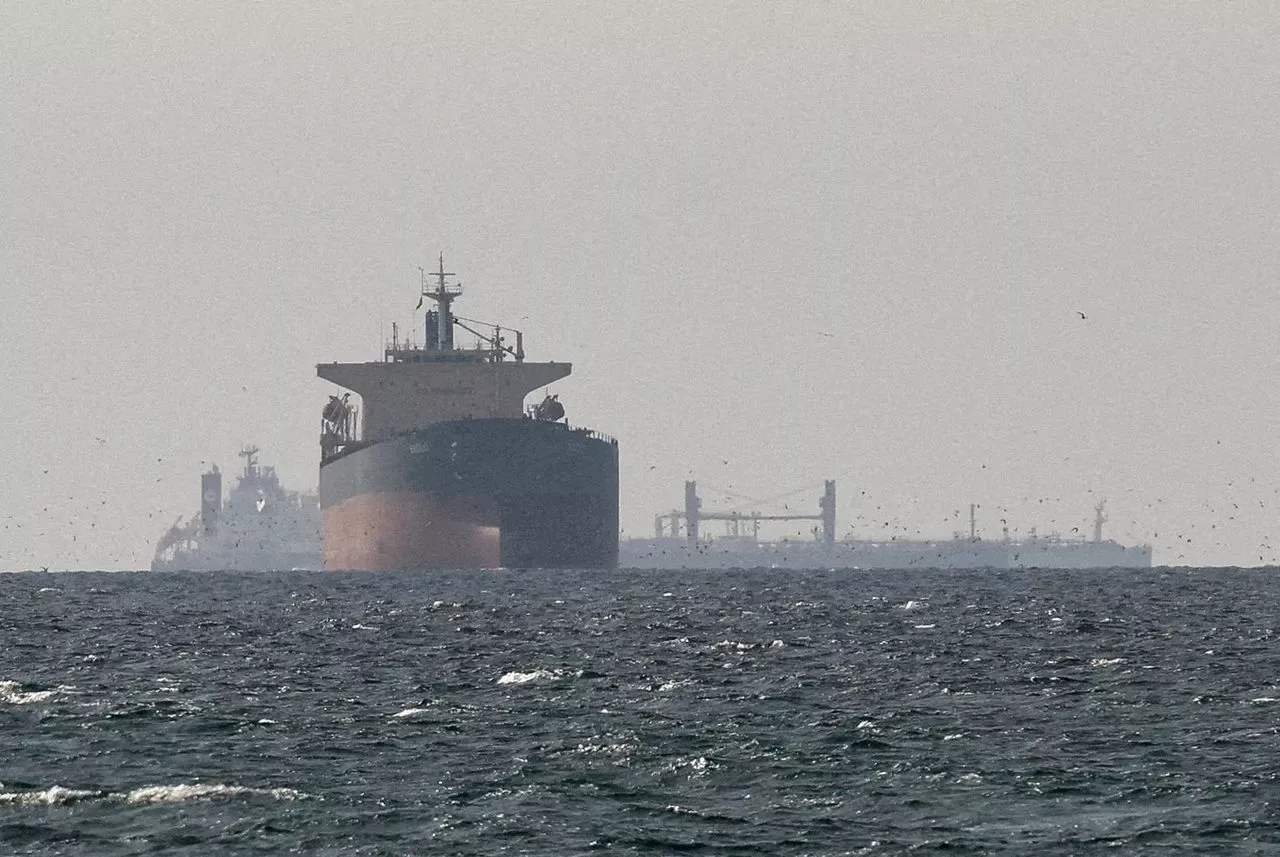
Brent crude, the global oil benchmark, climbed more than 12% early Thursday, reaching $126 per barrel at one point. WTI crude, the U.S. benchmark, rose more than 3%, surpassing $110 per barrel. The moves mark the highest prices for both benchmarks since 2022, according to available data. The surge coincides with discussions within the Trump administration about extending a blockade of Iranian ports.
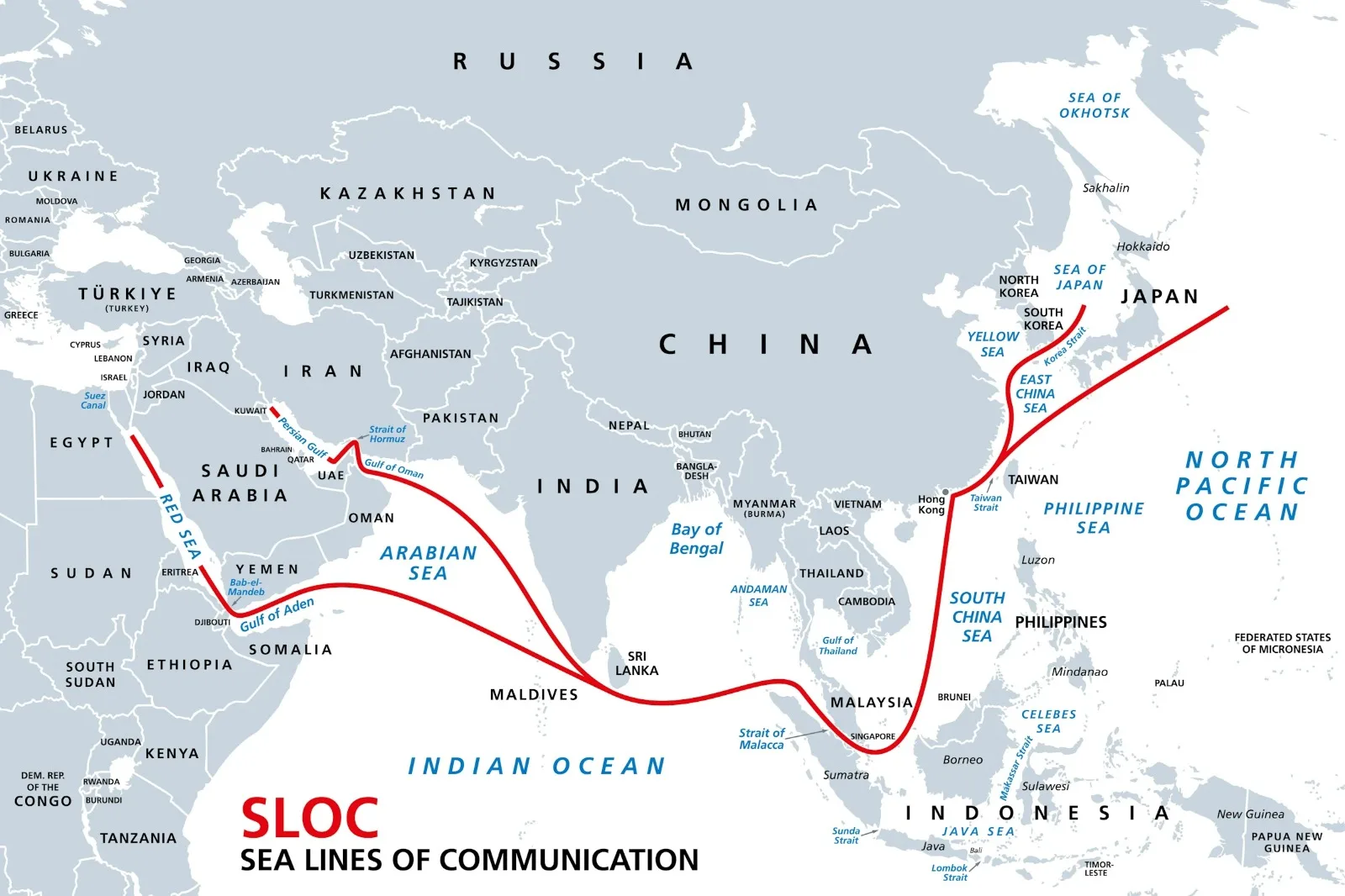
President Donald Trump indicated in a meeting with top advisers that he wants the U.S. naval blockade of Iranian ports to continue, sources familiar with the talks told CNN. His team has begun preparing the groundwork for such an extension, including a longer-term closure of the Strait of Hormuz, a critical waterway for global oil and gas shipping.

The price increases are cascading through energy markets and consumer fuel costs. The national average U.S. gas price reached a four-year high of around $4.23, according to AAA data. Energy prices have surged more than 27% as a result of recent U.S.-Iran tensions, which have disrupted global oil supplies.
Negotiations between the United States and Iran have broken down, keeping the Strait of Hormuz effectively shut. Daily transits through the strait have reduced to near zero since the conflict began in late February. The International Energy Agency characterized the resulting supply disruption as the "largest supply disruption in history."
On the futures markets, the June Brent contract was set to expire at the end of Thursday's session, shifting trading volume to the July futures contract. That more active contract had pushed above $113 per barrel Wednesday night.