The Republican Party enters the midterm election cycle with considerable structural disadvantages. The party controlling the White House typically loses ground in midterms, and with slim GOP majorities in both chambers of Congress, even modest seat losses could flip control of the House or Senate. Poor recent special election performance, coupled with economic pressures and slipping presidential approval ratings, have created what party strategists view as a vulnerable landscape heading into November 2026.
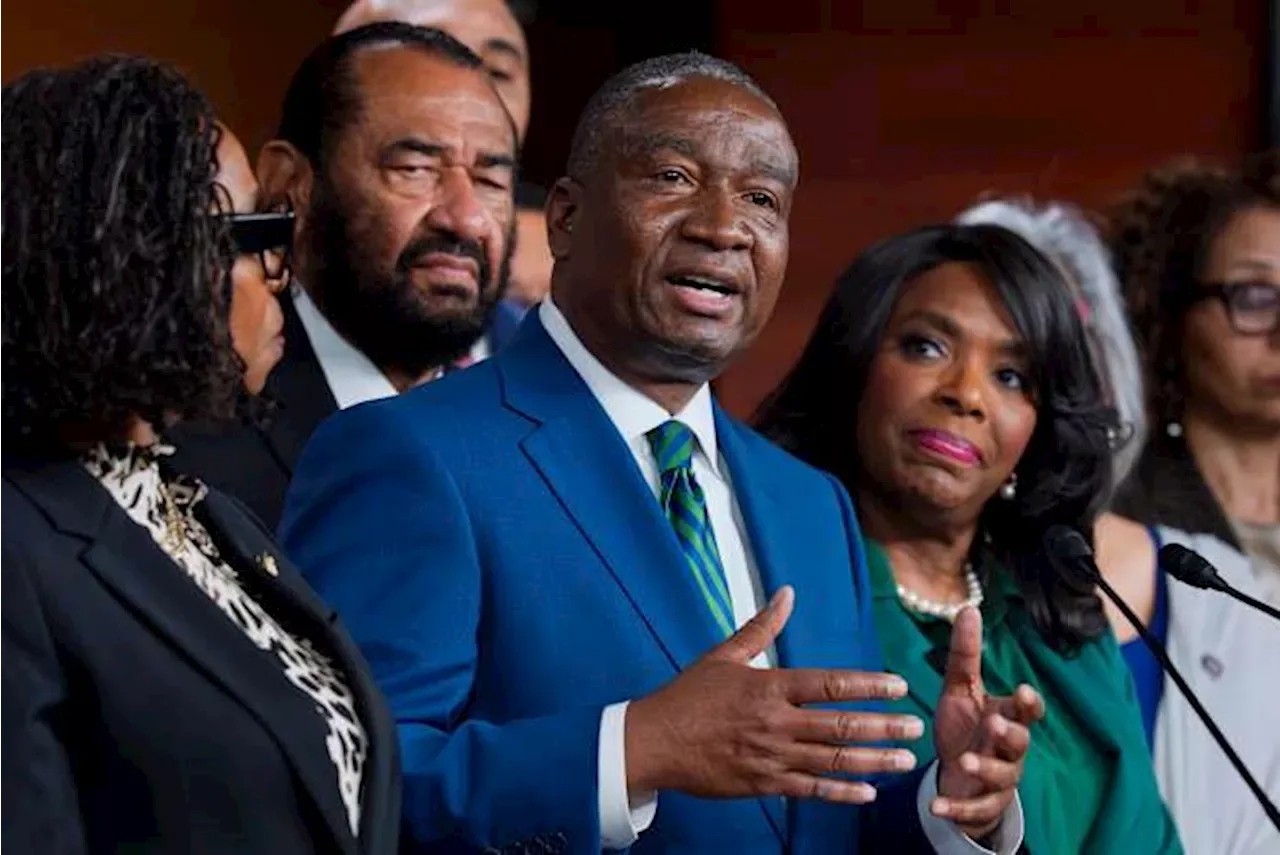
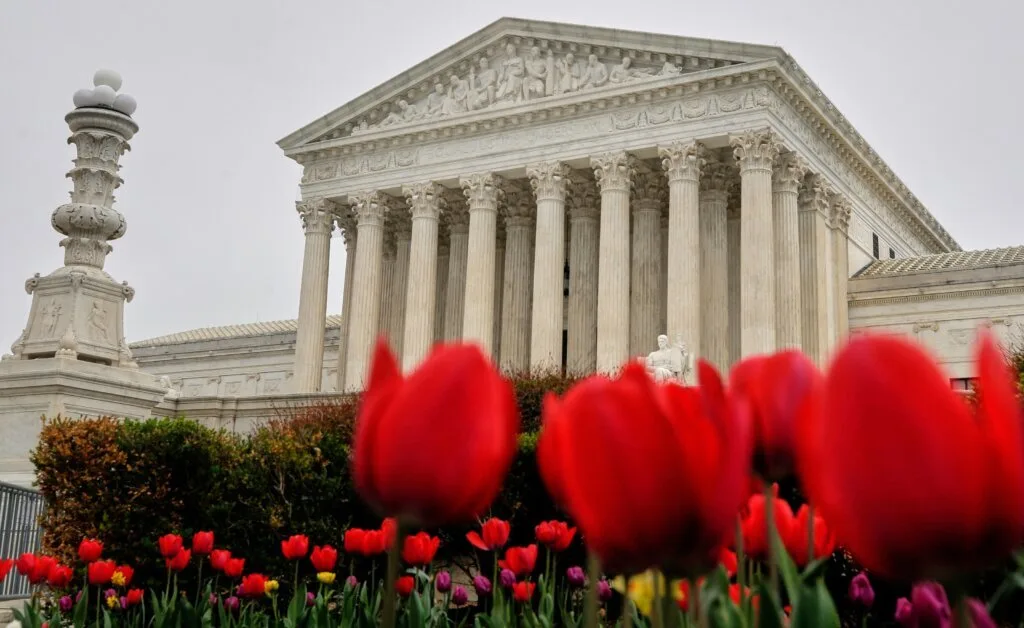
To counter these headwinds, Republicans are pursuing three distinct political and legal strategies. The most immediate involves a 6-3 Supreme Court decision that fundamentally reshaped voting rights law. In Louisiana v. Callais, the court's conservative majority weakened decades of precedent by striking down Louisiana's congressional map and rewriting the legal standard for proving racial discrimination in redistricting. Justice Samuel Alito's majority opinion held that states cannot use race in drawing districts without explicit authorization from Section 2 of the Voting Rights Act. The ruling opens pathways for Republican-controlled states to redraw maps previously considered illegal under civil rights law. Former President Barack Obama criticized the decision, arguing it could enable states to "systematically dilute and weaken the voting power of racial minorities." Though the decision's immediate impact on 2026 elections will be limited due to filing deadlines, it positions Republicans for potential advantages in 2028 redistricting cycles.

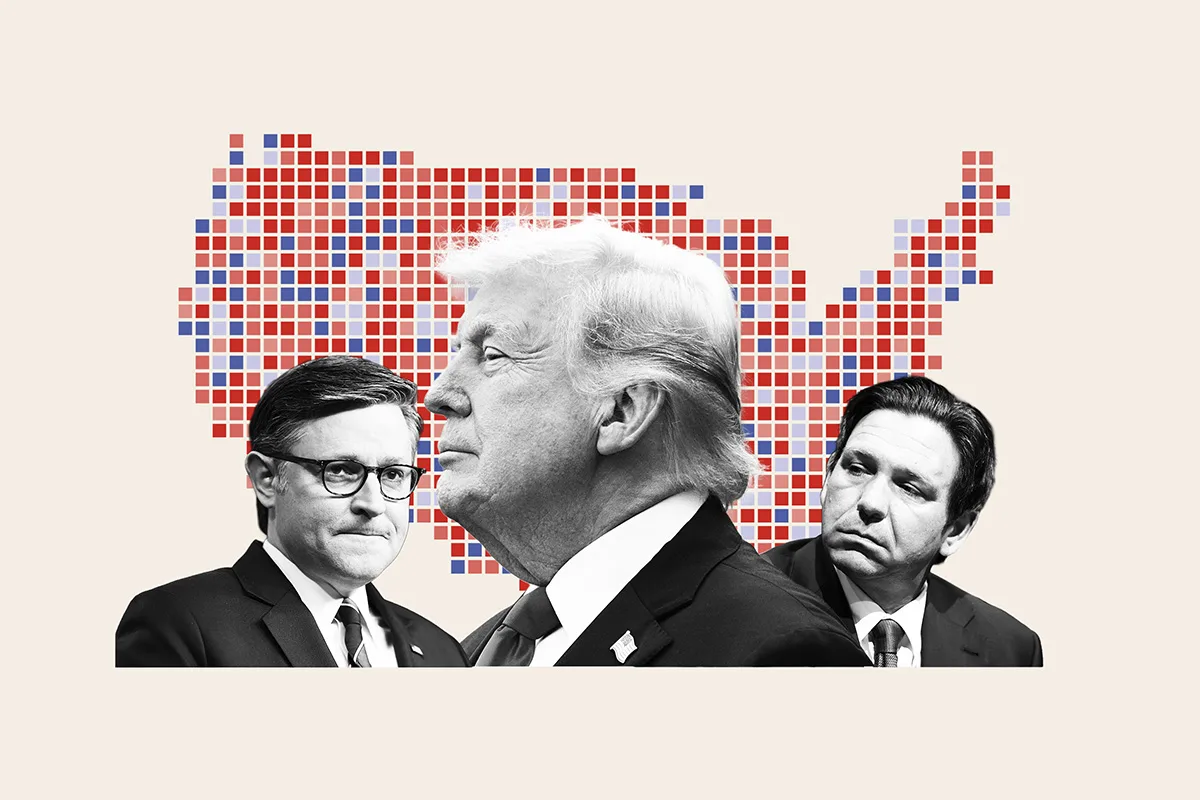
Redistricting battles are already underway across multiple states. Florida lawmakers passed a new congressional map championed by Governor Ron DeSantis that Republicans expect will strengthen their House position. Similar efforts are advancing in Texas, Ohio, North Carolina, and Missouri, though some have triggered legal challenges. According to Associated Press analysis, Democratic redistricting efforts have positioned the party to net roughly ten favorable seats, while Republicans are positioned for approximately nine—nearly balanced, assuming historical voting patterns persist through the midterms.
The third Republican strategy centers on the Safeguard American Voter Eligibility Act, or SAVE, which passed the House and would require proof of citizenship and photo identification for voting. President Trump has characterized the legislation as essential to winning the midterms, telling House Republicans that without passage there would be "big trouble." Democrats argue the measure would restrict voting access, yet polling indicates it resonates with voters broadly. The bill now faces the Senate with no immediate consideration planned.
Trump himself acknowledged in an October 2025 interview the historical pattern working against his party. Speaking to OAN Network, he stated concerns that "the person that wins the presidency always seems to lose the midterms," though he expressed optimism about the strategies being deployed.