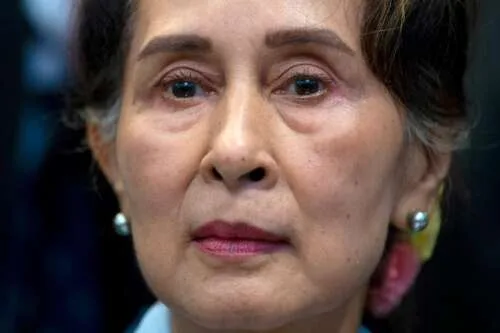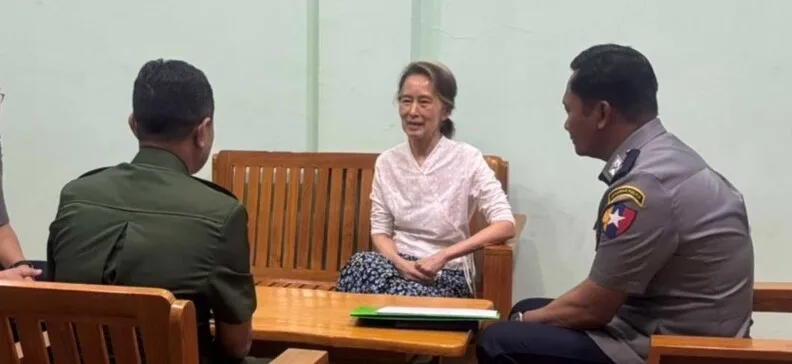
Aung San Suu Kyi, Myanmar's ousted opposition leader, has been transferred from prison to house arrest, state television announced. The broadcast stated she would "serve the remainder of her sentence at a specific home instead of in prison," though no location was disclosed. Suu Kyi was detained following the military coup on February 1, 2021, which removed her elected government from power. The decision came from Myanmar's newly appointed president, former military senior general Min Aung Hlaing, the architect of the coup itself.
Suu Kyi has been largely invisible since her detention, appearing only during court proceedings in the numerous trials that resulted in a total 33-year prison sentence. Human rights groups and her supporters contend the charges were fabricated to permanently sideline the popular politician. Concerns about her health persist, though the military has denied such claims. The transfer occurred alongside a mass prisoner release tied to a Buddhist holiday, though Suu Kyi's lawyers and her son, Kim Aris, cannot verify the move independently.

Aris posted on Facebook that "moving her is not freeing her," emphasizing she remains "a hostage, cut off from the world." He requested verified proof his mother is alive and the ability to communicate with her. Aris suggested the timing of the alleged relocation was deliberately coordinated, potentially involving China, whose Foreign Minister visited Myanmar the previous week.
Analysts view the decision as part of a broader strategy by Min Aung Hlaing to rehabilitate Myanmar's international image. Richard Horsey, Senior Myanmar analyst for the International Crisis Group, noted the president aims to improve diplomatic standing with the Association of Southeast Asian Nations, China, and other potential partners willing to strengthen ties with the military administration. Min Aung Hlaing assumed the presidency following a military-organized general election held amid civil war, which excluded major opposition parties and was widely dismissed internationally as illegitimate.
The military government has engaged international lobbying efforts to advance its objectives. In July 2025, Myanmar contracted the DCI group, a Washington-based firm, for nearly $3 million annually to improve international relations, according to filings under the U.S. Foreign Agents Registration Act. The contract emphasizes rebuilding relationships focused on "trade, natural resources, and humanitarian relief." Political operative Roger Stone, a Trump ally with a history of legal troubles, has joined the effort at $50,000 monthly compensation. Stone received a presidential pardon in 2020 after conviction on obstruction and false statements charges related to congressional investigations.
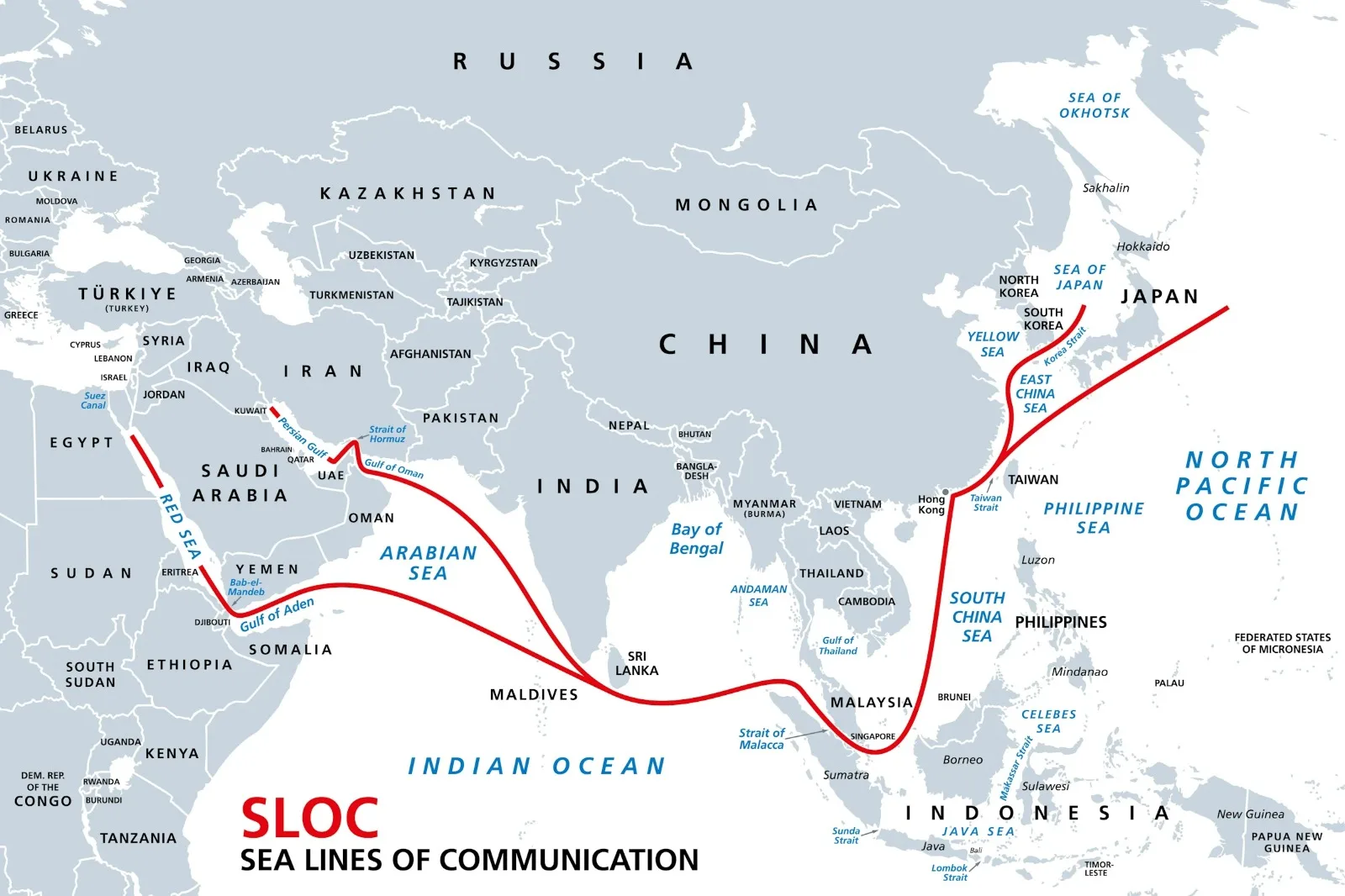
Myanmar's rare earth mineral production represents a significant strategic interest, particularly for the U.S. defense sector. However, most production occurs in resistance-controlled regions outside military authority, with the majority directed toward China. Horsey cautioned that U.S. involvement in northern Myanmar's rare earth mining would likely provoke Chinese resistance given the country's geographic proximity to China and Beijing's existing economic leverage. "They absolutely know that they cannot go against China," he said, though he suggested Myanmar may pursue other relationships if presented with viable alternatives, despite the complicated geopolitical risks such arrangements entail.