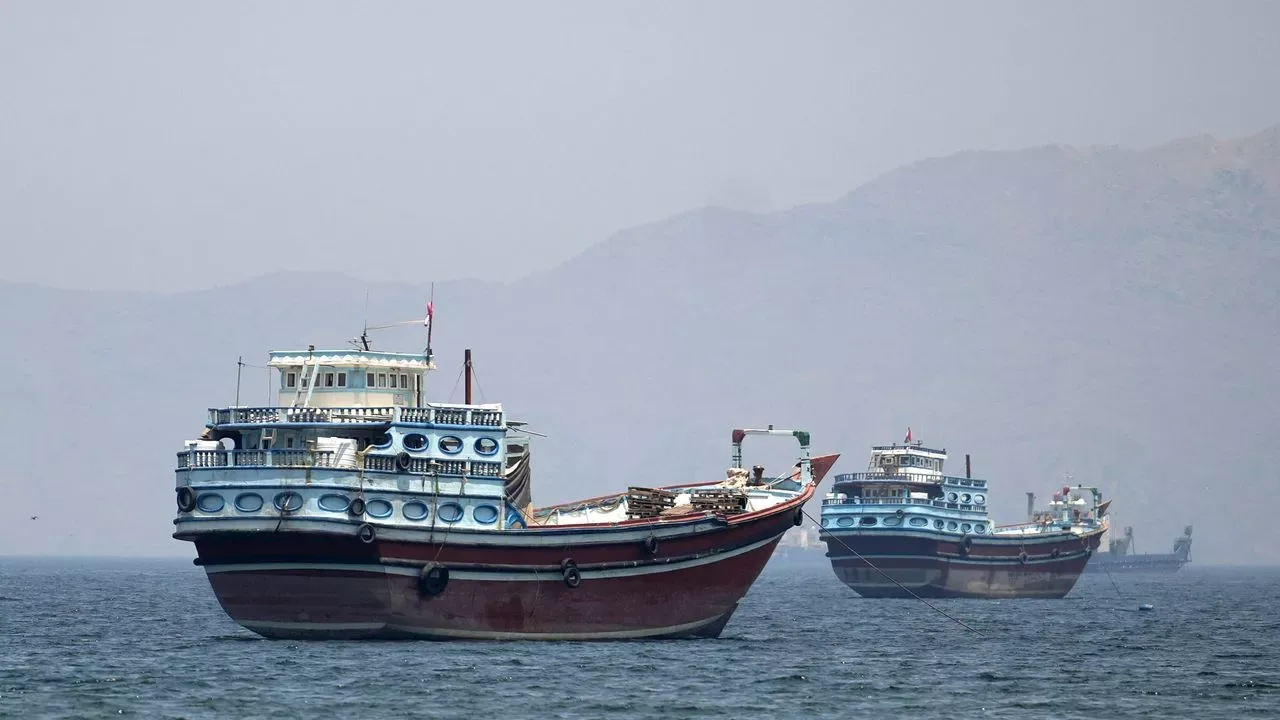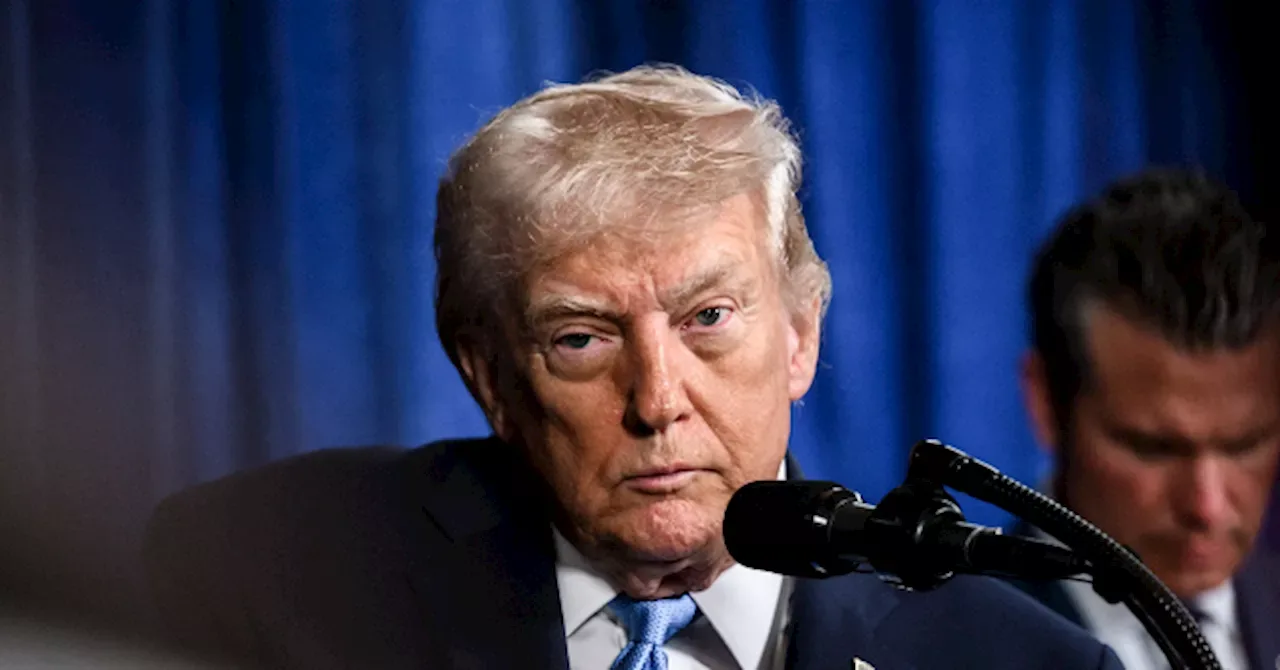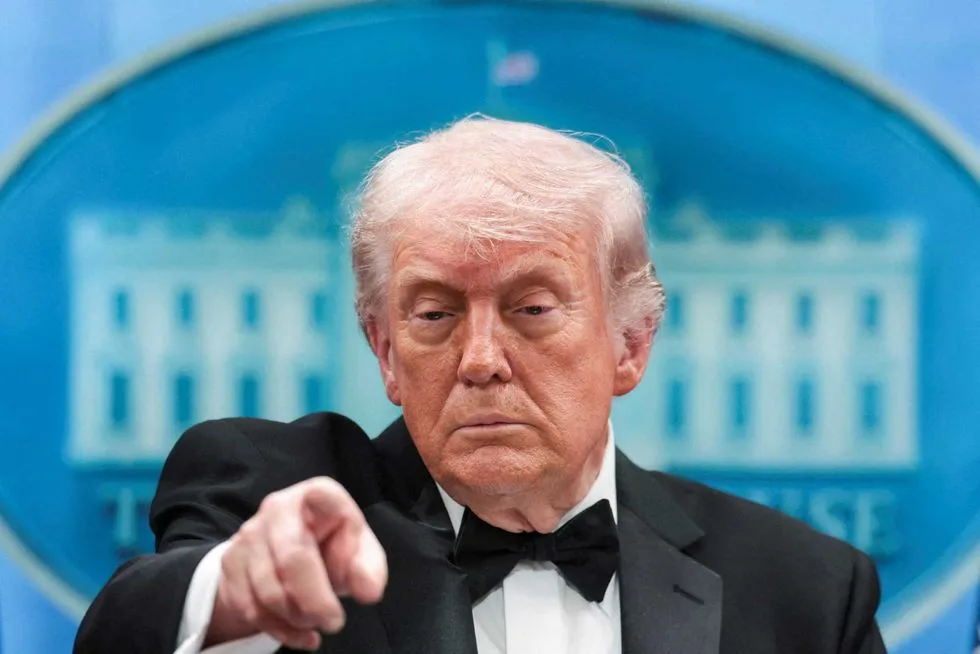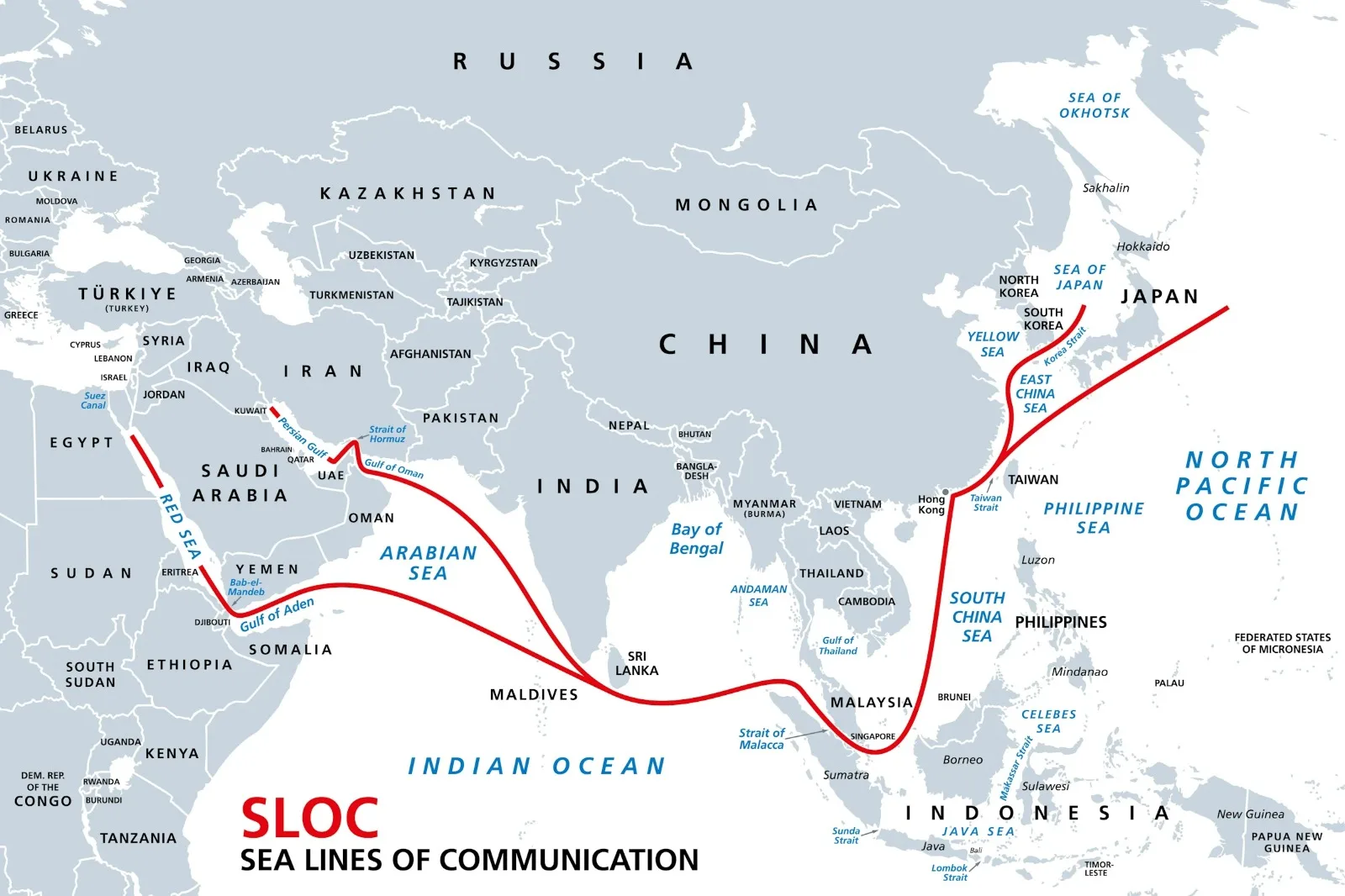
Trump held talks with oil company executives on Wednesday to explore ways to mitigate the economic impact of a prolonged U.S. blockade of Iran's ports, according to a White House official. The discussions followed a breakdown in negotiations between Washington and Tehran, prompting the administration to intensify pressure through naval measures aimed at forcing Iran to reopen the Strait of Hormuz to shipping traffic.
The blockade strategy comes as oil prices surged more than 6% on Wednesday, with the Brent contract reaching a one-month high. During the talks, Trump and the oil executives discussed steps the administration has taken to stabilize global oil markets and measures to sustain the blockade for months if necessary while minimizing effects on American consumers, the White House official said.

Mediation efforts by Pakistan continue as the two sides exchange messages on a potential agreement. A Pakistani source told Reuters that the United States had shared observations on Iran's latest proposal, with Tehran requesting time until the end of the week to respond. Trump has publicly urged Iran to negotiate, posting on Truth Social that Tehran "couldn't get its act together" and calling for a non-nuclear deal, though he did not elaborate on the specifics.
The conflict has already extracted a significant military cost. A senior Pentagon official disclosed that the war has consumed $25 billion in U.S. military expenditure to date, marking the first official estimate released by the department.
The diplomatic impasse reflects deeper disagreements on negotiating sequencing. Iran's latest proposal would defer discussion of its nuclear program until the conflict formally ends and shipping issues are resolved. Trump, however, demands that the nuclear question be addressed from the outset. Iran maintains it seeks only peaceful nuclear development and has a stockpile of approximately 440 kilograms of uranium enriched to 60%.
The United States is building what it calls the "Maritime Freedom Construct," a proposed international coalition to facilitate navigation through the Strait of Hormuz. France, Britain, and other nations have engaged in preliminary discussions but have signaled willingness to contribute only after hostilities cease.
Iran has warned of "unprecedented military action" if the blockade continues and has largely blocked all non-Iranian shipping through the Strait since airstrikes began on February 28. The blockade and broader conflict have inflicted severe damage on Iran's economy. The Iranian currency fell to a record low on Wednesday, and inflation reached 65.8% for the month ending April 20, according to the central bank.
Iran's parliament speaker and top negotiator Mohammad Baqer Qalibaf accused Trump of attempting to divide Iranians and force capitulation through economic pressure. Meanwhile, Trump is scheduled to receive a briefing Thursday on potential military action options from the leader of U.S. Central Command, according to Axios. The president faces mounting domestic pressure to end the conflict, with his approval rating falling to the lowest point of his current term amid concerns over rising gasoline prices.