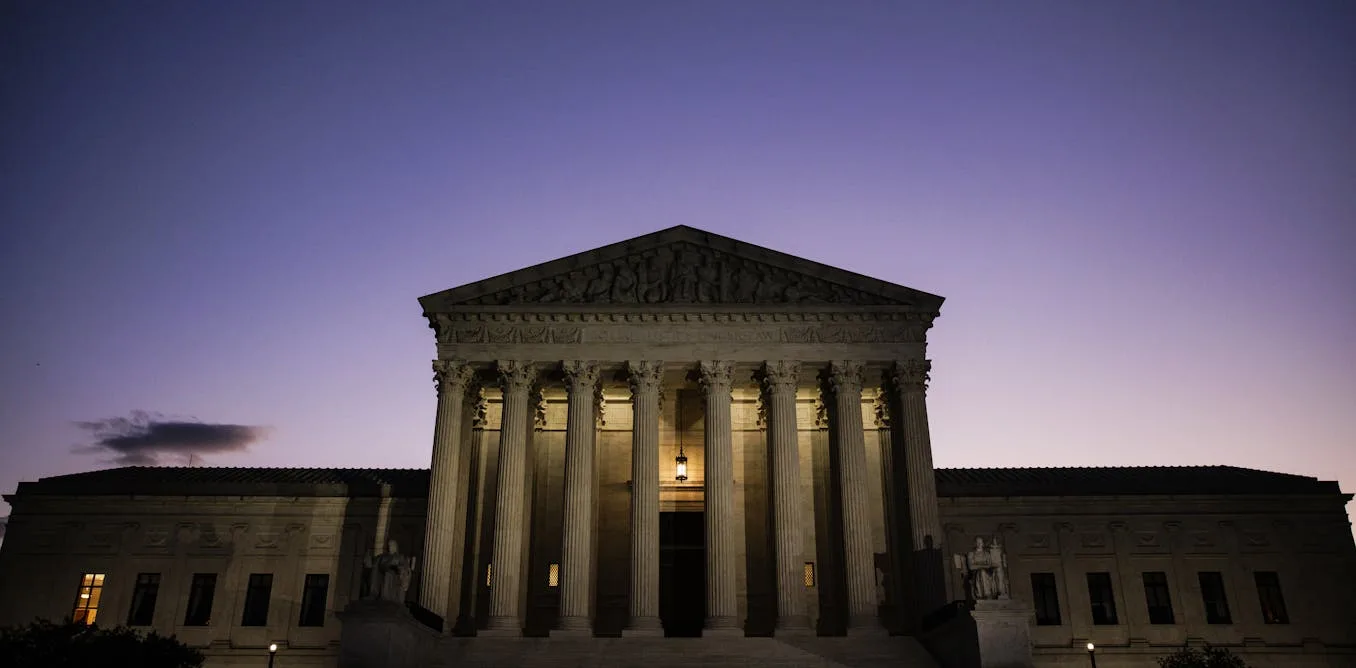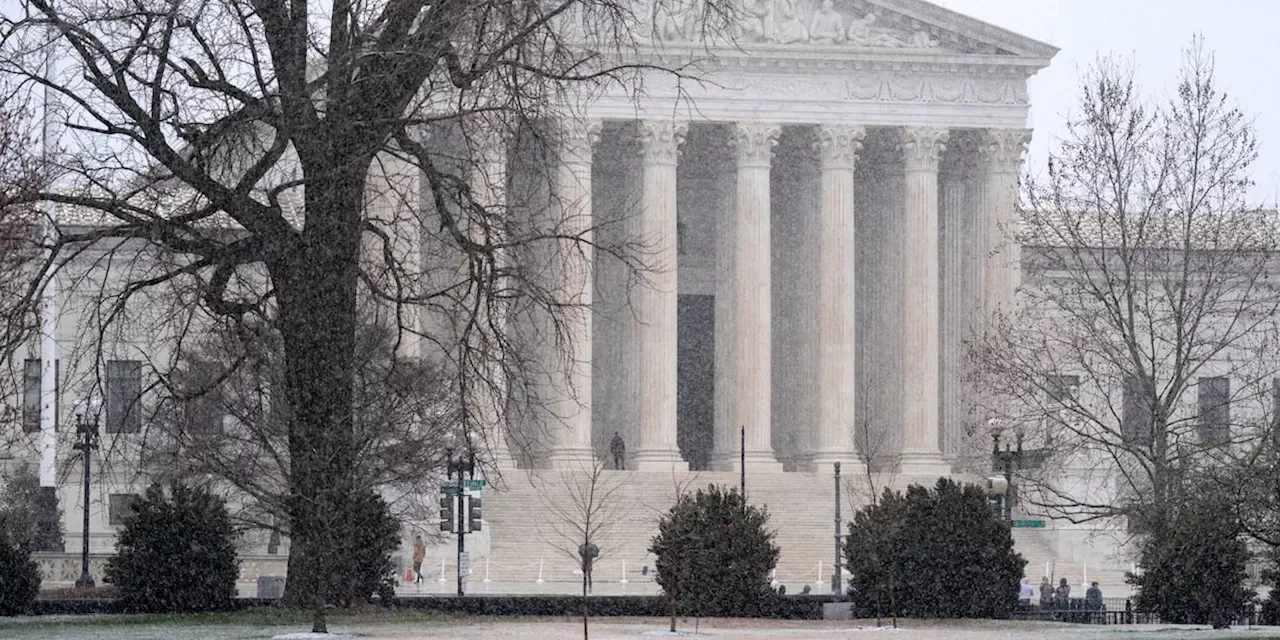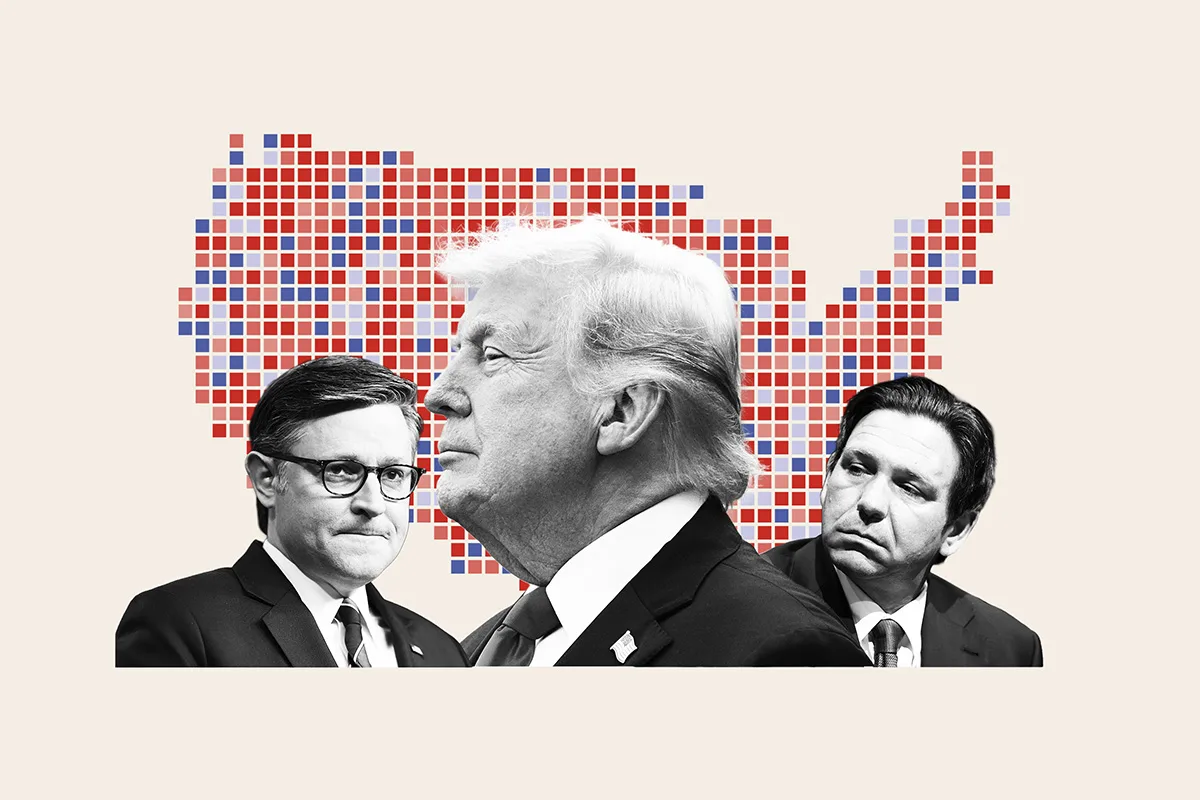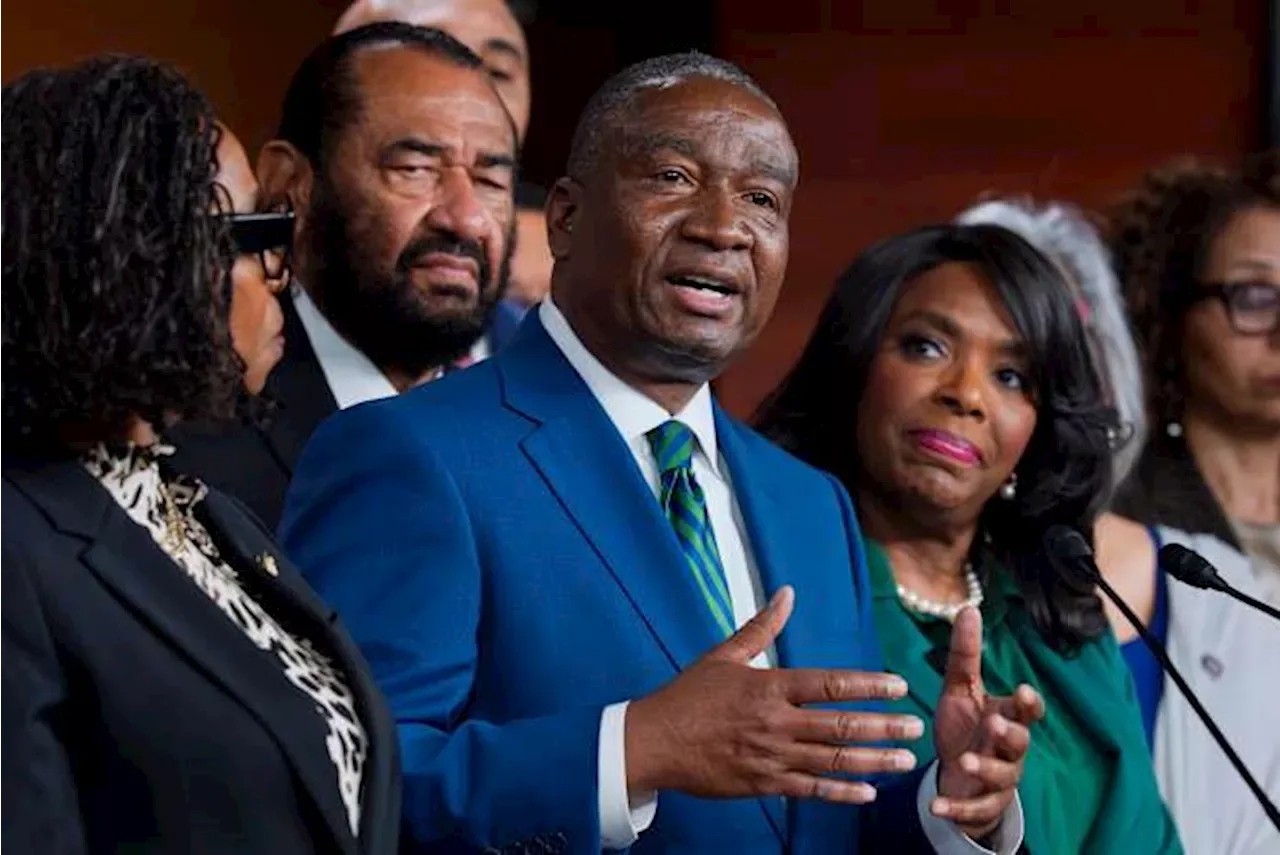
Black members of Congress convened at the Capitol on Wednesday, April 29, 2026, to respond to a Supreme Court ruling that gutted a key section of the Voting Rights Act, the provision that had shielded minority communities during political redistricting. The decision clears the path for Republican-controlled states to redraw U.S. House districts without accounting for race, potentially creating numerous seats favorable to Republicans and diminishing Black representation in Congress.
Rep. Yvette Clarke, chair of the Congressional Black Caucus, characterized the ruling as a threat to Black voters nationwide. "The Supreme Court has opened the door to a coordinated attack on Black voters across the country. This is an outright power grab," Clarke told reporters. The expected wave of redistricting by Republican-controlled states, particularly ahead of the 2028 election, is projected to result in a substantially smaller Black Caucus, according to Democratic leaders and voting rights advocates.

Over a dozen of the caucus's 60 Black members appeared at the Capitol press conference, including House Minority Leader Hakeem Jeffries. Rep. Troy Carter of Louisiana, one of two Black Democrats from the state central to the lawsuit, called the ruling "a devastating blow to our democracy, plain and simple." Louisiana Republicans have already approved a new House map that redraws a district previously created to elect a Black representative.
Kristen Clarke, general counsel for the NAACP and former assistant attorney general in the Department of Justice's civil rights division, warned of swift action from states with historical ties to slavery. "I would be surprised if we do not see former slave-holding states moving at lightning speed to target districts that provide Black voters and other voters of color an equal opportunity to elect candidates," she said. Clarke noted uncertainty about whether state voting laws or constitutional prohibitions on racial discrimination would offer protection against such redistricting.
The Congressional Black Caucus was established in 1971 following court-ordered redistricting under the Voting Rights Act, passed six years earlier. The initial redistricting sent more minorities to Congress, with Black representation jumping from nine to 13 members. Sen. Raphael Warnock of Georgia expressed concern about the ruling's long-term impact. "That caucus has had such an important voice in American politics," Warnock said. "And I'm afraid that with this ruling, we could see that caucus shrink in a hugely significant way."
Democratic strategist Antjuan Seawright, who advises the Black Caucus, predicted multiple legal battles ahead for members whose districts face targeting. He emphasized the renewed importance of voter turnout efforts in response to the decision. Rep. Terri Sewell, a Democrat, urged communities to mobilize across state legislatures, courts, and at the ballot box. "We need to vote like we've never voted before," Sewell said.
Republican officials and Black conservatives praised the decision as a rejection of race-based mandates in redistricting. Linda Lee Tarver of the Project 21 Black Leadership Network argued that civil rights laws were not designed "to institutionalize racial line-drawing as a default feature of our political system."