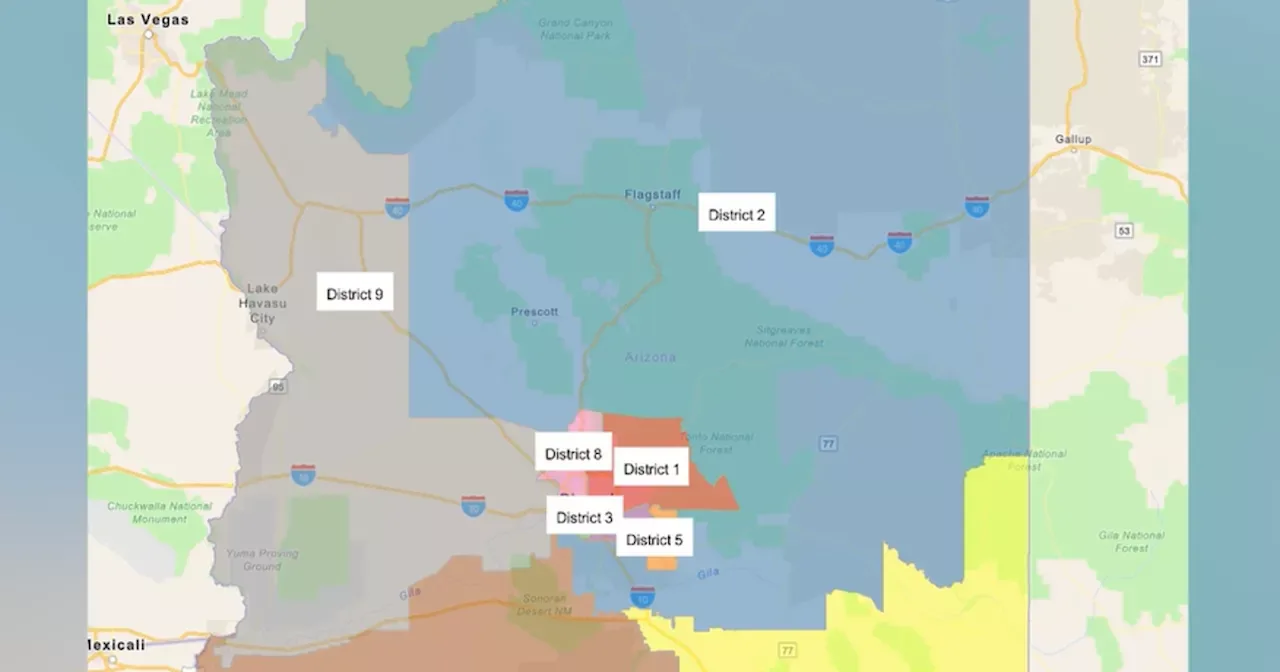
A wave of mid-decade redistricting is reshaping the nation's congressional landscape, with Republicans poised to emerge as the primary beneficiary before voters head to the polls this November. The redistricting battles began in Texas last July, when Gov. Greg Abbott pushed the state legislature to redraw congressional maps in a Republican-favorable direction following President Trump's urging. Missouri, North Carolina, Florida, and California have since followed suit, with voters and legislators in those states approving new maps aligned with their parties' interests.
The competitive redistricting moves have accelerated following a significant Supreme Court decision affecting how states can draw their maps. The court ruled that the Voting Rights Act cannot be used to create race-conscious congressional maps, including majority-minority districts that had become common across Southern states. The decision effectively prohibits the race-conscious mapmaking practices that had been employed for decades, a shift that is expected to make numerous Democratic-held majority-minority seats vulnerable to Republican gains.

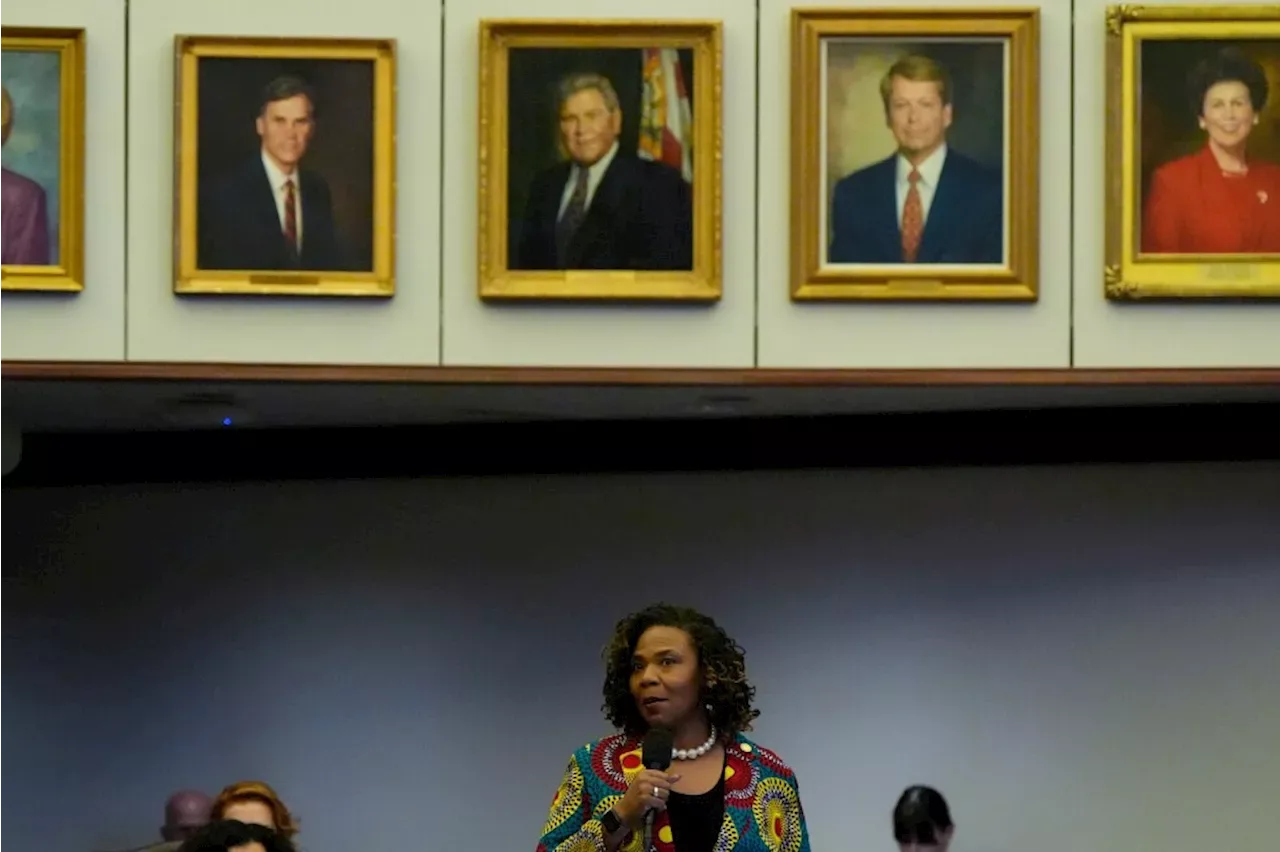
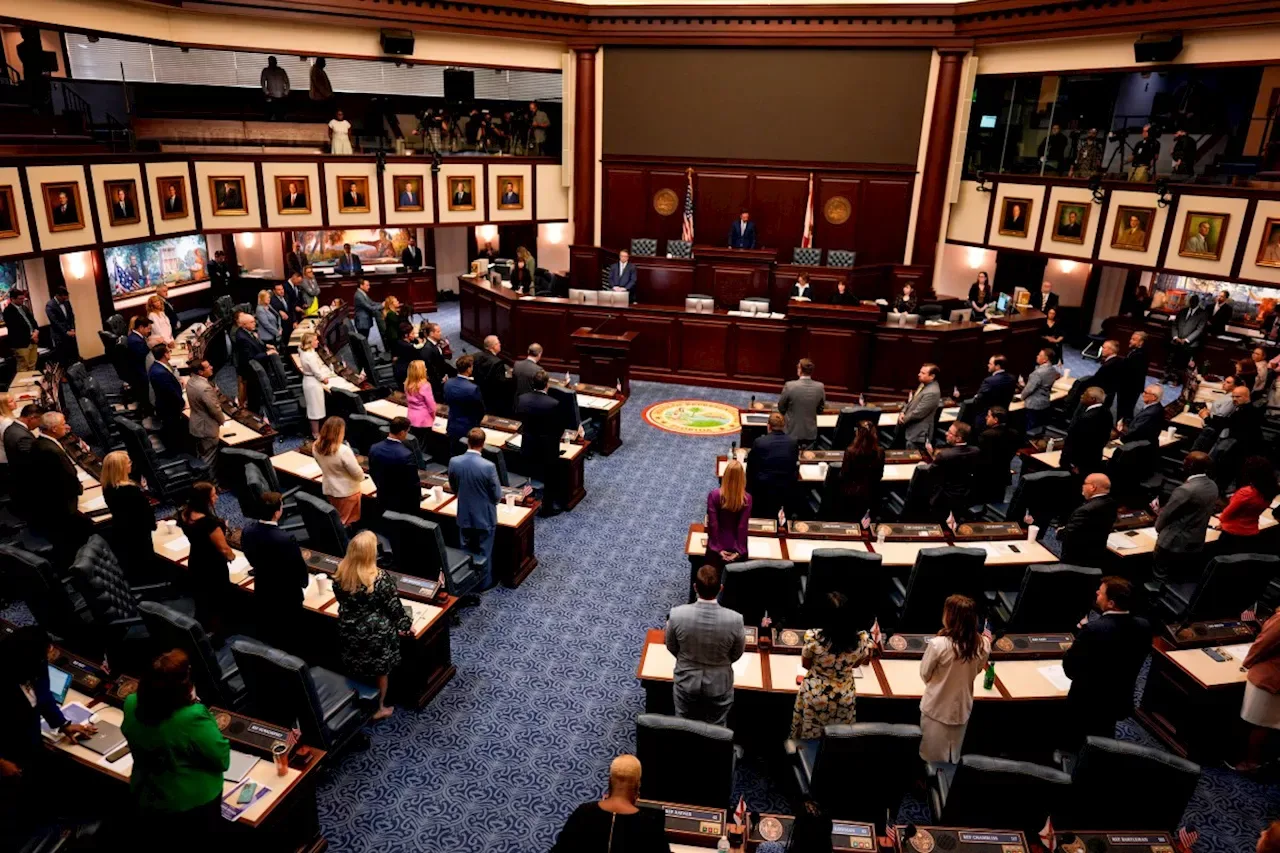
Florida's redistricting, led by Gov. Ron DeSantis and passed through a special legislative session on Wednesday, is expected to provide Republicans with approximately four additional seats once the governor signs the measure into law. Virginia's narrow approval of a new congressional map favoring Democrats faces uncertainty, as a lower court has blocked certification of the referendum results. If Virginia's new map is ultimately rejected, Democrats could lose an additional four seats.
Both parties have engaged in gerrymandering for decades when controlling state legislatures. Texas drew first blood with its redistricting last July, though the Supreme Court did not finalize approval of the state's new maps until earlier this week. California's Democratic-controlled legislature subsequently approved a new map that, according to some analyses, provides Democrats a more lopsided partisan advantage than Texas's Republican-drawn map provides the GOP.
The Supreme Court's ruling on race-conscious mapmaking represents what some view as a constitutional victory, with the court determining that such practices violate the 14th Amendment's equal protection guarantee. States can now either voluntarily redistrict to comply with the ruling or face litigation forcing them to do so. The practical effect appears clear: Republican gains are likely to outpace Democratic ones as the midterm elections approach.