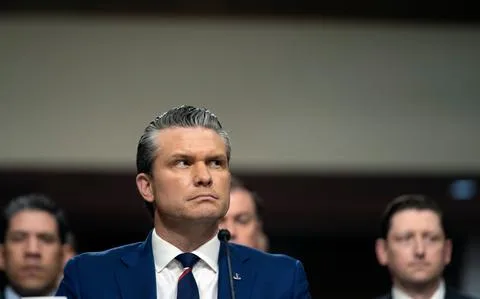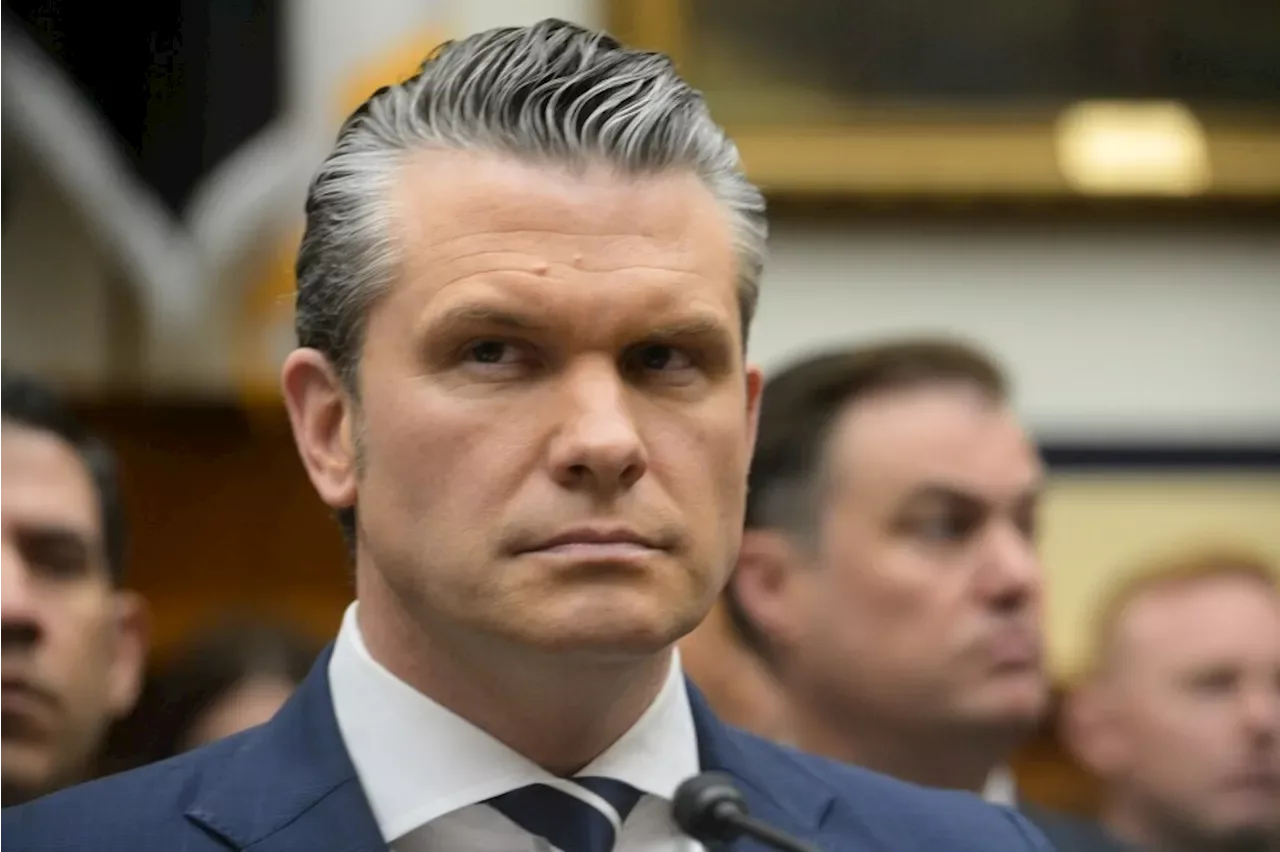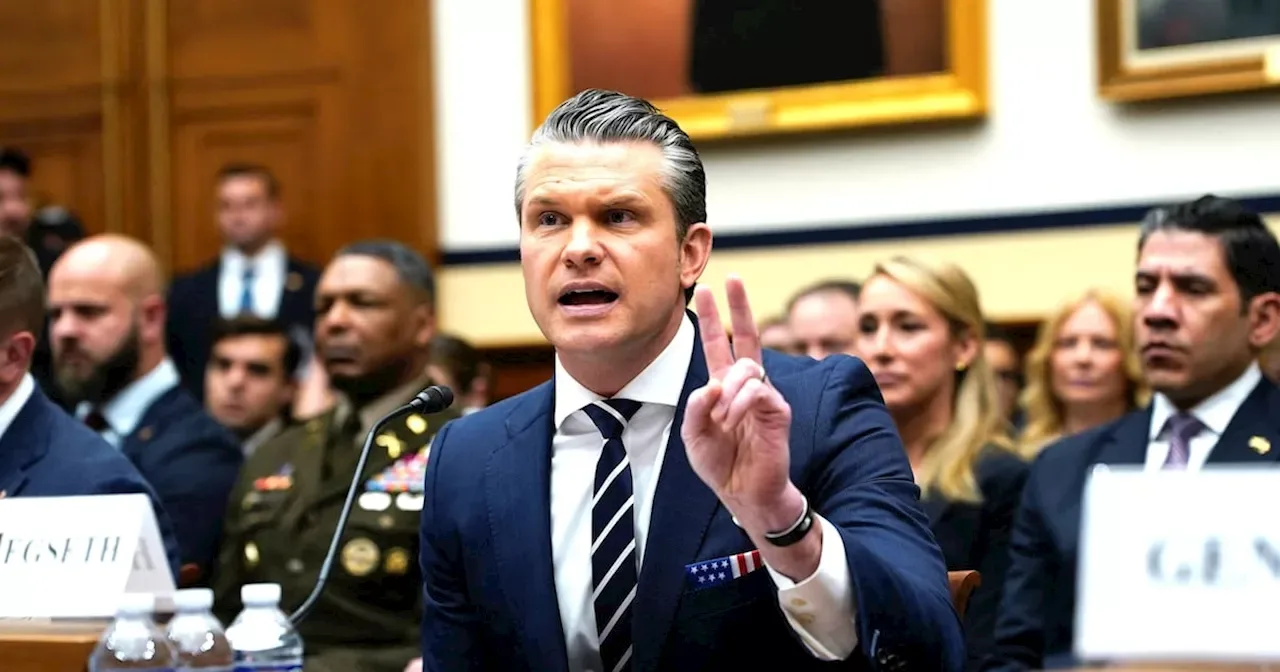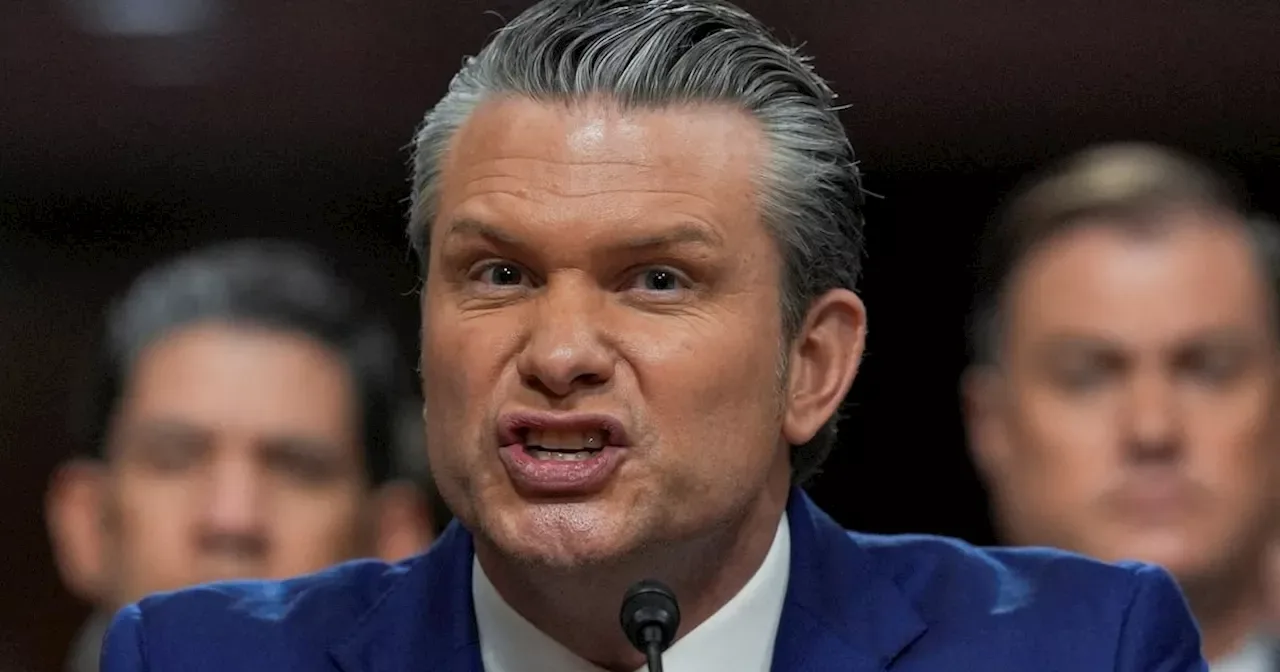
The Senate Armed Services Committee held its first public congressional session on the U.S. war in Iran on April 30, 2026, with Defense Secretary Pete Hegseth testifying in support of continued military operations. The hearing drew fire from both Democratic and Republican lawmakers, as well as anti-war activists who interrupted proceedings to challenge the administration's policy.
An activist from Code Pink disrupted the session, shouting accusations that Hegseth had committed war crimes and calling for his arrest. The protester, identified as Gus, held a sign reading "NO WAR ON IRAN" and argued that the conflict contradicted the will of the American people. Capitol Police removed the demonstrator after Committee Chairman Sen. Roger Wicker warned against further interruptions.

Hegseth defended the Pentagon's request for $1.5 trillion in funding, arguing that the conflict with Iran—which he characterized as a longstanding 40-year threat—required decisive military action. He criticized what he called defeatism and obstruction from congressional opponents of the war. Joint Chiefs of Staff Chairman Dan Caine accompanied Hegseth and endorsed the budget request as essential to maintain American military superiority amid global security challenges.
Code Pink later confirmed the protest was part of a broader campaign titled "Arrest Hegseth," aimed at holding the defense secretary accountable for alleged war crimes. The group specifically referenced a controversial strike on a school in Iran and demanded greater transparency about the use of artificial intelligence in military targeting operations and the extent of human oversight in such decisions.
The hearing examined the mounting financial costs of the conflict, which estimates place at $25 billion to date. The administration has argued that a ceasefire now in its third week has effectively paused the 60-day statutory limit on military action without congressional approval, eliminating the immediate need for legislative authorization to continue operations. The conflict began with coordinated U.S.-Israel strikes on Iran in February and has drawn international attention over reports of civilian casualties and the risks of escalating regional tensions.