

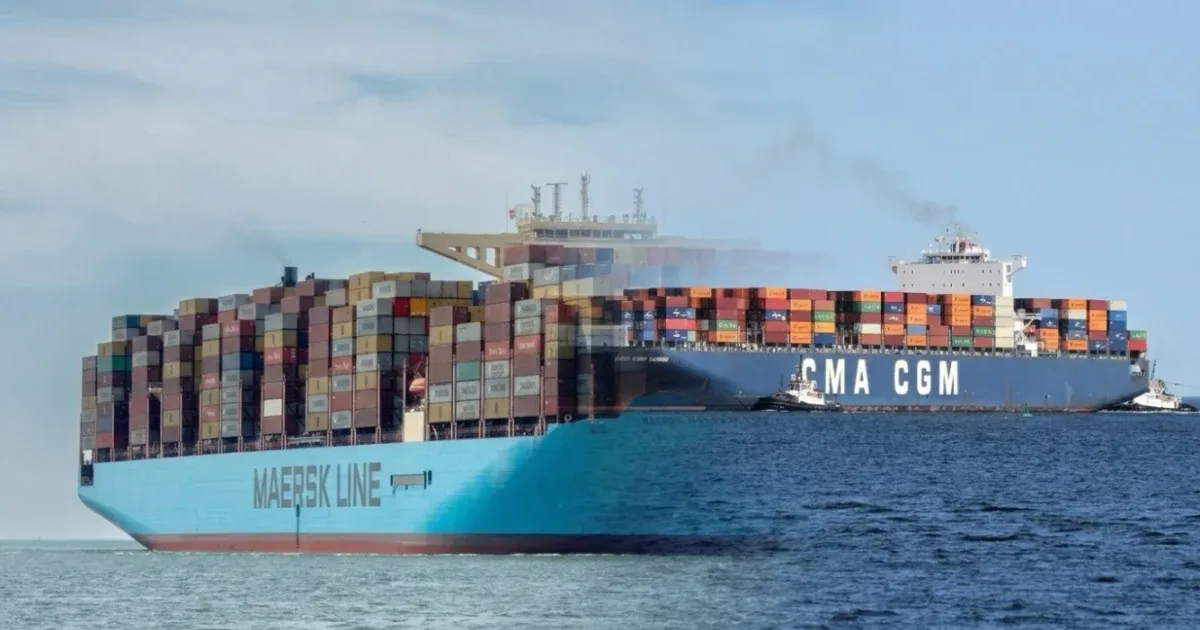
Maersk significantly lifted its forecast for 2026 earnings, propelled by stronger container shipping demand in Asia and the Far East and a persistent rise in spot freight rates. The shipping giant now anticipates underlying EBITDA between $8 billion and $10 billion for the year, nearly doubling its previous estimate. This revision underscores unexpectedly healthy global trade activity amid ongoing market challenges.
The company also revised its underlying EBIT forecast upward to a range of $2 billion to $4 billion, improving from an earlier estimate that included potential losses. Free cash flow expectations improved as well, with a minimum of minus $1.5 billion, compared to a prior outlook of at least minus $3 billion. Maersk’s view of global container-volume growth also shifted higher, targeting about 4%, up from a prior range of 2% to 4%.

This updated outlook highlights two main factors shaping current market conditions. On one hand, sustained spot freight rates and elevated container volumes point to firm underlying demand, suggesting importers continue to move goods at a strong pace. On the other hand, persistent port congestion, especially in Asia and the Middle East, indicates that logistical bottlenecks still influence pricing and supply dynamics.
These congestion issues complicate interpretations of the market’s strength. If freight rates climb mainly due to robust consumer demand and inventory replenishment, it signals a healthier economic environment. However, if supply chain delays are the primary driver, shipping costs will remain high even without a parallel rise in trade volumes, placing upward pressure on importers’ expenses and possibly leading to higher consumer prices later this year.
Maersk previously adopted a more conservative stance earlier in the year, noting volatility, oversupply risks, and potential impacts from new vessels and reopened shipping routes that could increase capacity. The improved forecast now suggests these headwinds have had less negative impact than initially feared.
Following the announcement, Maersk’s shares rose, reflecting investor confidence in the upgraded outlook. The company is scheduled to release its full second-quarter results in August, which will provide further insight into whether the positive trends in demand and shipping conditions are sustained.