

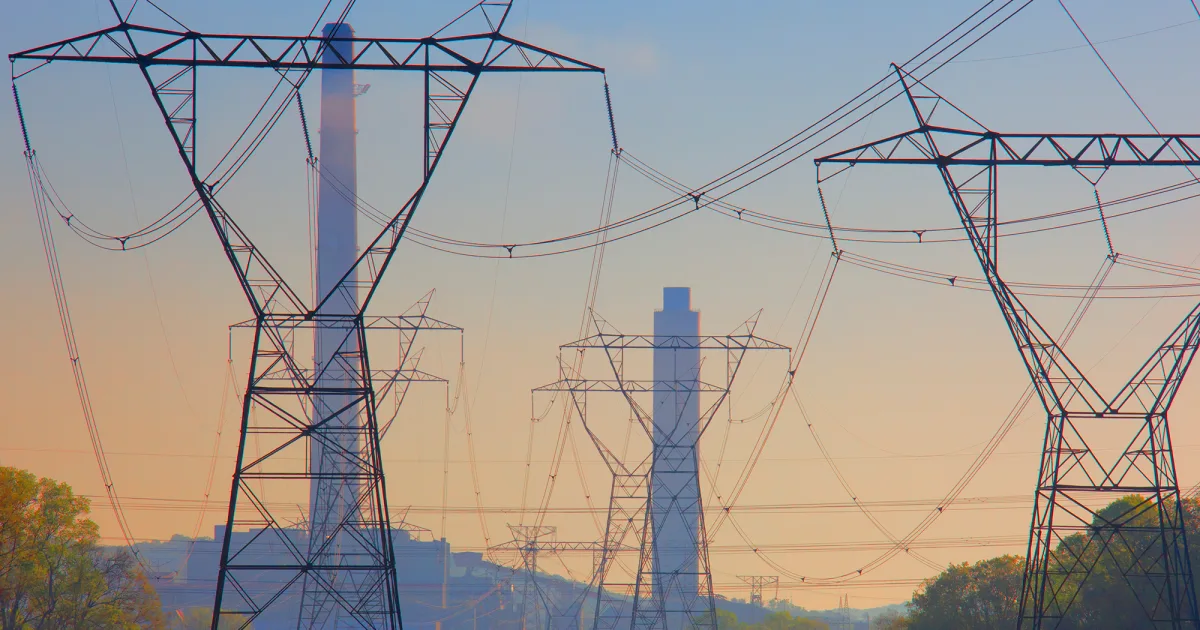
The Tennessee Valley Authority (TVA) has shifted its energy strategy to prioritize the continued operation of coal, natural gas, and nuclear power plants, rolling back earlier efforts to expand renewables. This change follows new directives from the federal government that discourage renewable incentives and encourage extending the lifespan of fossil fuel facilities. The utility’s revised approach affects the power supply considerations for millions across seven states in the southeastern United States.
The utility’s latest Integrated Resource Plan (IRP) marks a clear departure from its previous version, released in 2019, which included modest plans to increase renewable energy capacity. Instead, the new draft leans heavily on maintaining and upgrading existing coal and gas plants alongside nuclear power. This pivot comes amid leadership changes at TVA and shifts in federal energy policies during the Trump administration, which impacted board membership and delayed decision-making processes for months.

For surrounding communities, the decision to keep coal plants operational indefinitely has sparked concern and frustration. Residents near facilities like the Cumberland Fossil Plant express dismay at what they see as a retreat from cleaner energy options. Environmental groups have criticized the TVA for abandoning its earlier transition plans during a critical period for climate action.
The TVA serves approximately 10 million people across seven states, including Tennessee, North Carolina, Alabama, Mississippi, Kentucky, Georgia, and Virginia. Its Integrated Resource Plan is designed to align generation resources with demand projections through 2050. The latest draft, initiated last year, responds to shifting market dynamics but notably downplays renewable energy expansion.
The utility's leadership turnover, including the replacement of its CEO and board member removals ordered by the federal government, has contributed to the changing course. The new management defends the updated energy mix as necessary to meet current economic realities and reliability standards despite widespread environmental criticism.
This development illustrates the challenges public utilities face balancing political directives, community pressure, and the evolving energy landscape. The TVA’s approach could affect regional emissions and the pace of the United States’ broader transition to sustainable energy sources.