

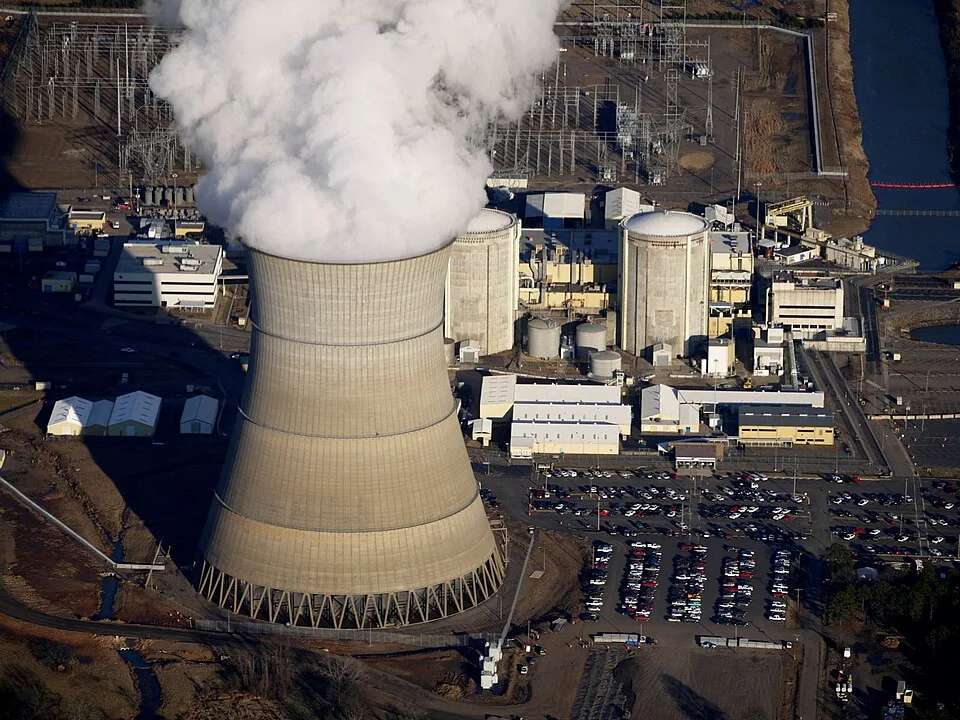
Arkansas is poised to advance its nuclear energy ambitions with the arrival of a critical feasibility study scheduled for presentation in August. Commissioned by the state and prepared by Excel Services Corp., a Maryland-based firm specializing in nuclear licensing, the report evaluates the potential for expanding nuclear power generation in Arkansas beyond its current facilities.
Earlier this year, Excel Services shared interim findings that highlighted nuclear energy as a uniquely reliable and clean source of baseload power, emphasizing its 24/7 operation capability without emissions. The report identified several strategic advantages that position Arkansas as an attractive candidate for additional nuclear projects, including experienced operators at Arkansas Nuclear One in Russellville, a strong and well-supported electric transmission infrastructure, and multiple potential sites for new reactors.

Moreover, the study outlined economic and environmental benefits such as job creation and the facilitation of a transition from coal to nuclear power, which could sustain workforce levels while promoting cleaner energy. It also recommended that the state proactively support nuclear development through financial tools like bridge loans for early-stage project costs and state-backed “completion assurance” to mitigate risks for lenders. Such initiatives aim to make Arkansas a more competitive location for nuclear investors.
The state contracted the study for $305,000, with backing from Representative Jack Ladyman, a longtime advocate for nuclear energy in Arkansas. Ladyman stressed the importance of having clear policies and guidelines ready, so the state can efficiently respond if a nuclear developer expresses interest. He pointed out that the report’s thoroughness means Arkansas can present a ready roadmap for potential investors, preventing delays and uncertainty.
Ladyman also noted that Arkansas has shown legislative receptiveness to nuclear power, having passed several bills and resolutions supporting its expansion. He referenced his international experience visiting nuclear facilities in countries like France and Canada, reinforcing his confidence that Arkansas ranks favorably for developing new nuclear capacity relative to other regions.