

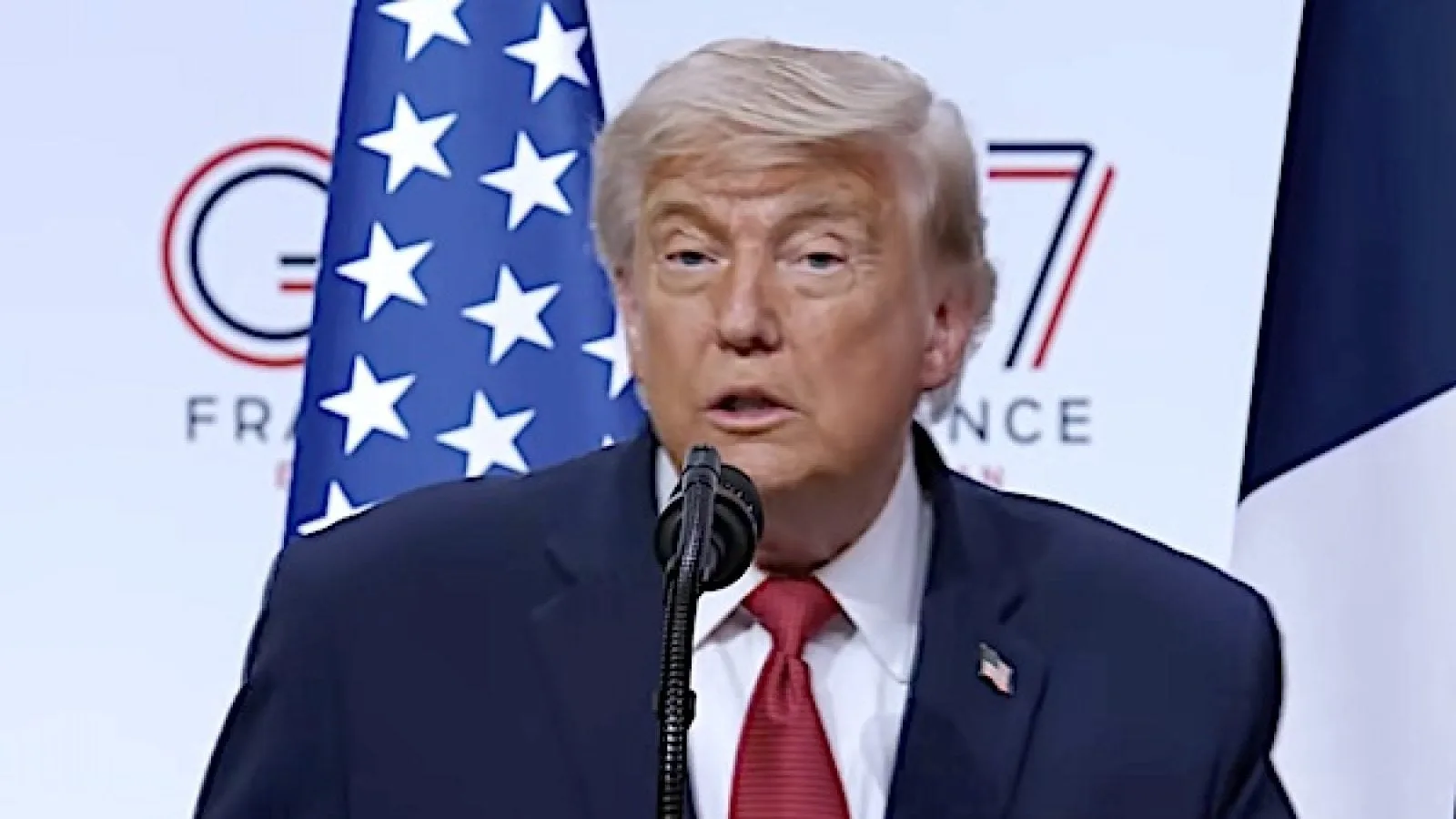
After a recent breakdown in ceasefire agreements following attacks on commercial tankers and subsequent military responses, the United States has agreed to resume diplomatic talks with Iran, though it has officially declared the ceasefire null and void. President Donald Trump confirmed the resumption of negotiations on social media, emphasizing that the ceasefire is over.
The renewed dialogue comes amid heightened tensions triggered by attacks on three commercial tankers operated by Gulf-region companies, which prompted retaliatory strikes by the U.S. against Iranian targets. Iran, in turn, launched counterstrikes on U.S. military installations in neighboring countries along the Gulf. These escalations exposed the fragility of the existing understanding between Washington and Tehran.

Reports indicate that the ongoing talks will focus on implementing a previously signed U.S.-Iran memorandum of understanding and addressing contentious issues such as freedom of navigation in the strategically vital Strait of Hormuz. These discussions aim to resolve factors that sparked the recent escalation in hostilities.
The conflict itself began during the previous winter amid efforts led by the Trump administration to prevent Iran from developing a nuclear weapon capable of threatening or destroying other nations. Despite interruptions caused by exchanges of firepower, diplomatic channels have remained open to some extent between the two governments.
Meanwhile, some commercial shipping operations have adjusted their routes in response to the volatility, with the shipping company Maersk announcing plans to resume voyages between the Middle East and the United States via the Suez Canal, reflecting ongoing concerns about security in the Strait of Hormuz.
Trump's decision to maintain talks despite terminating the ceasefire signals a complex approach that balances ongoing conflict risks with diplomatic engagement, as Washington and Tehran navigate a tense and unpredictable security environment.