

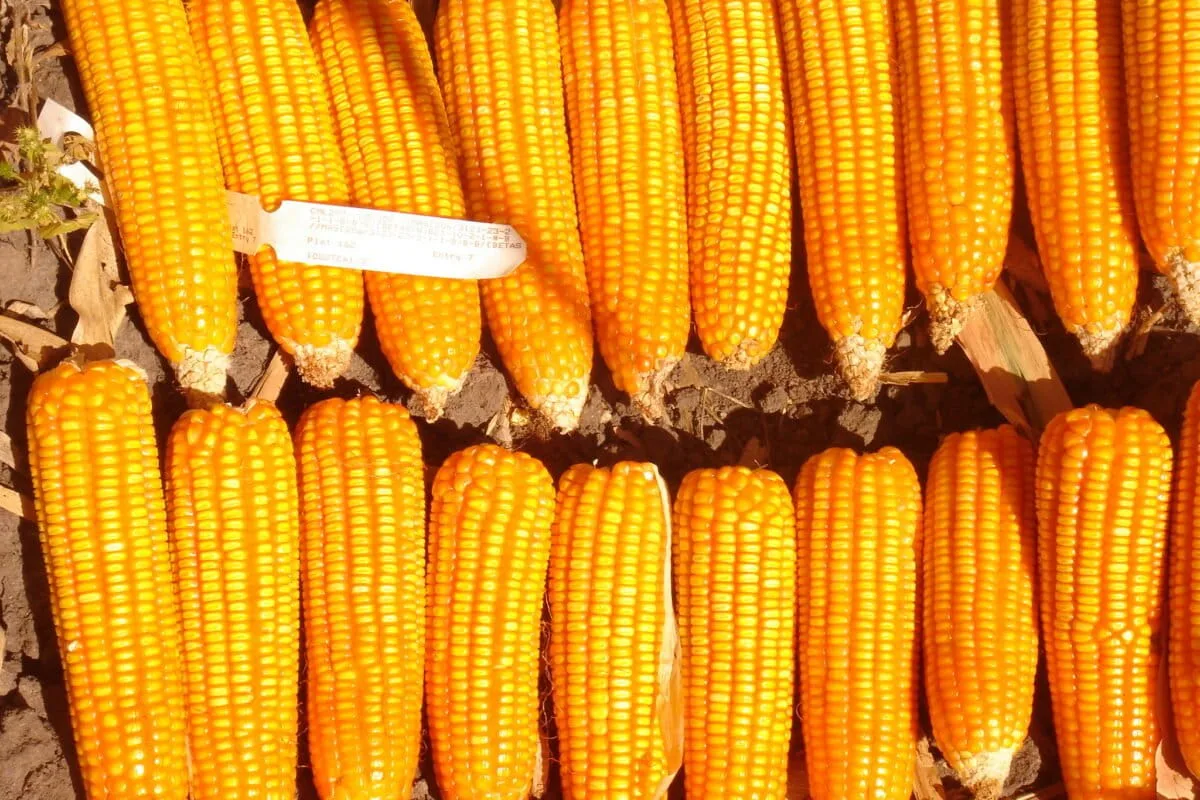
Zambia’s apparent food security, highlighted by consecutive years of strong maize harvests and declining staple prices, masks underlying vulnerabilities that experts warn could worsen amid global geopolitical tensions and climate uncertainties. While recent rains have supported above-average yields and better hydroelectric power availability for irrigation, the country remains heavily reliant on imports for essential food products, fertilizer, and fuel, exposing it to external shocks.
Food prices, particularly for maize meal, have dropped significantly compared to the previous year, providing temporary relief to many Zambian consumers. The Food and Agriculture Organization (FAO) reported a sharp reduction in the number of people facing acute food insecurity—from millions last year to under two million by early 2026—due largely to improved domestic production and currency strength. However, this progress is fragile given Zambia’s concentrated dependence on maize as the staple crop and the critical role of imported agricultural inputs.

Experts highlight that escalating geopolitical tensions, particularly conflicts involving major fuel and fertilizer supply routes like the Strait of Hormuz, risk driving up costs and disrupting supplies essential for Zambia’s agriculture. Urban populations could be especially vulnerable as they rely more on imported foods such as wheat, which may see price spikes or scarcity. Calls for broadening the country’s food system resilience focus on enhanced investment in irrigation infrastructure, climate-smart farming techniques, the development of locally produced fertilizers, and diversification beyond maize cultivation.
Additionally, Zambia and Southern Africa face the threat of El Niño, an erratic climate pattern that could disrupt vital rainfall and undermine agricultural output just as the country attempts to rebound from recent years of hardship. This combination of external supply chain pressures and shifting climate conditions complicates the outlook for sustained food security.
Addressing these challenges will require strategic efforts to reduce Zambia’s dependence on external agricultural inputs and improve the stability of food supplies, particularly for urban centers. The current harvest successes offer a window of opportunity but should not obscure the structural risks that could rapidly reverse progress under worsening global conditions.