

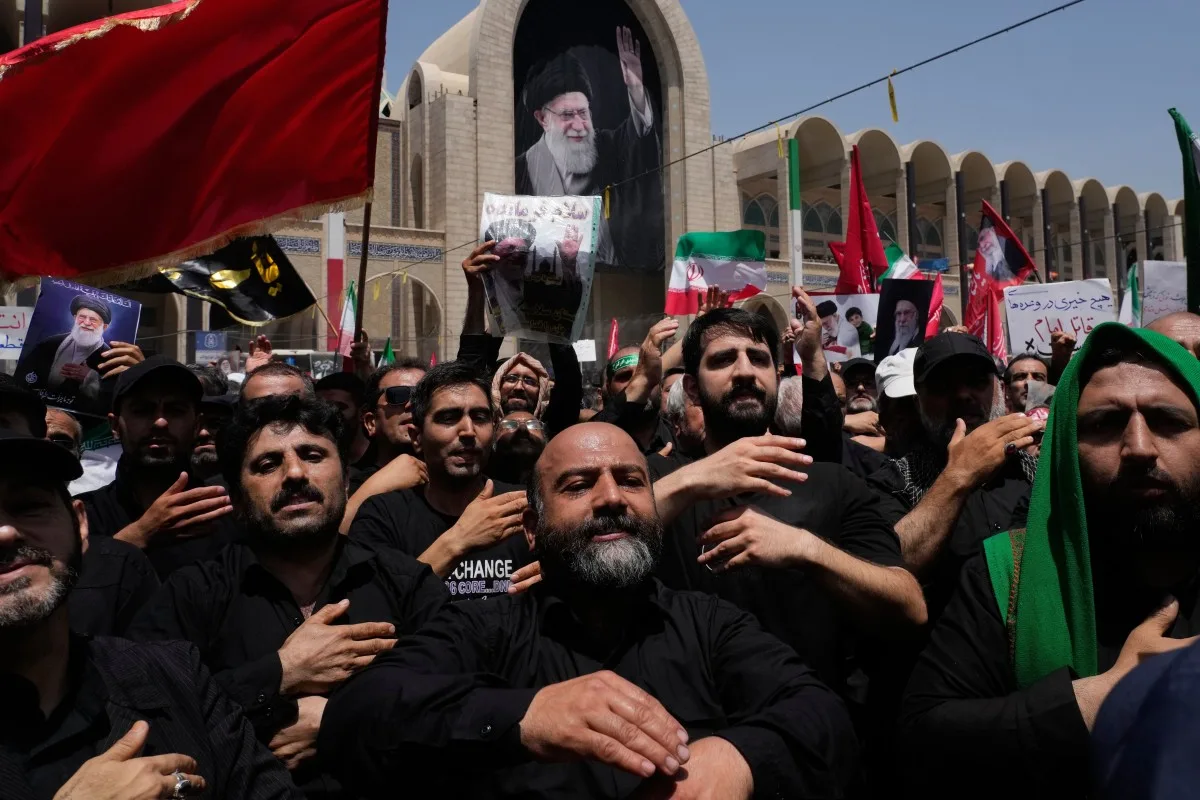
As Iran prepares a highly visible funeral for its former Supreme Leader Ayatollah Ali Khamenei to signal national unity, security forces have simultaneously escalated repression against critics and activists.
Amnesty International reports that since late February, more than 6,000 people have been detained amid a government crackdown on protests calling for an end to the current regime. This wave of arrests targets a broad range of activists, including prominent environmentalists such as Houman Jokar and Sepideh Kashani, both associated with the Persian Wildlife Heritage Foundation. Their recent detention, alongside Kashani’s sister who suffers from multiple sclerosis, has drawn particular concern since no charges or official statements have been released.

Jokar and Kashani previously served lengthy prison sentences on espionage accusations they denied, reflecting a recurring pattern of Iran’s use of national security laws to silence dissenters. The crackdown also features an expanded application of the death penalty against protesters, intensifying fears amid an already fragile political climate.
Observers highlight the government’s precarious hold on power amid widespread economic challenges and eroding public legitimacy. According to Iran Human Rights, a nonprofit organization, authorities increasingly rely on fear and repression to control citizens, leaving limited peaceful avenues for dissent.
Meanwhile, official calls for nationwide mourning and unity have been juxtaposed with private arrests of activists and civil society figures, raising questions about the sincerity of the government’s reconciliation rhetoric. President Masoud Pezeshkian has urged broad public participation in the funeral ceremonies, while critics point to the government’s simultaneous crackdown as contradicting these appeals for national harmony.