

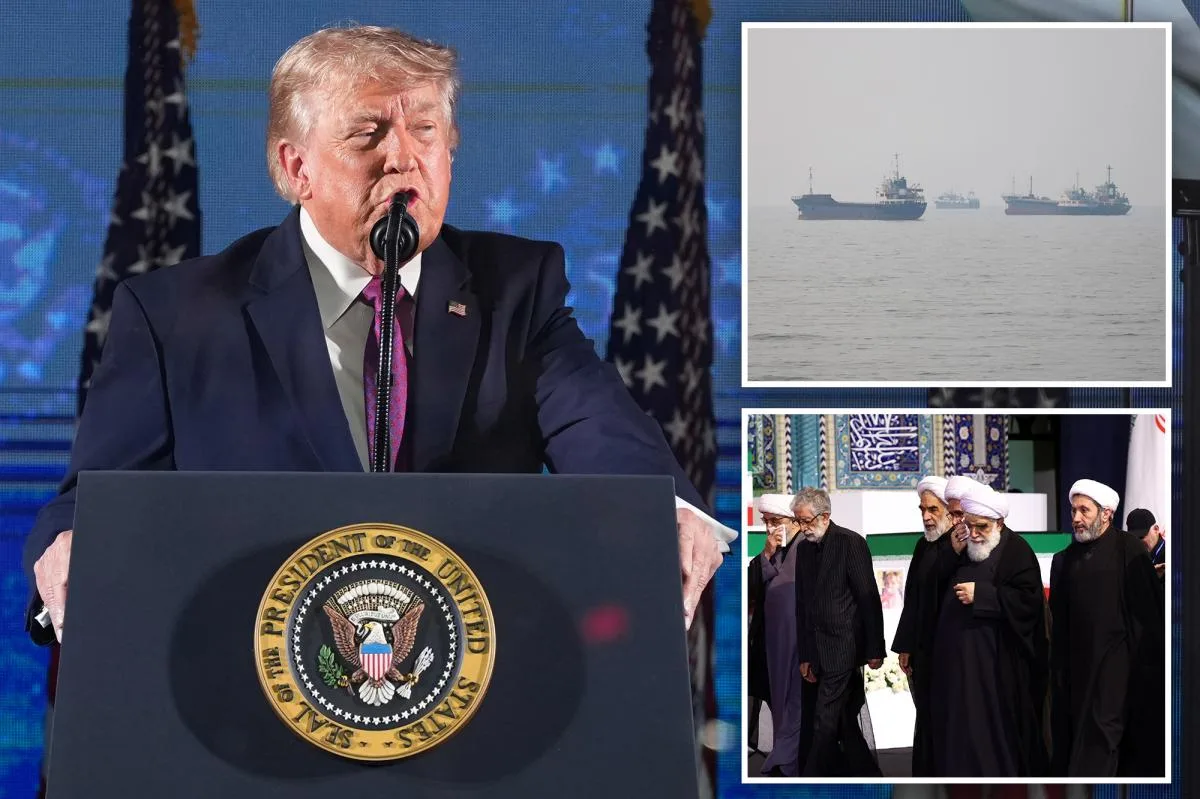
President Trump stated that Iran was effectively given a “week off” to conduct the lengthy funeral rites for its late Supreme Leader Ali Khamenei, coinciding with ongoing diplomatic tensions and intermittent military confrontations. The comments came during a speech at Mount Rushmore, where Trump highlighted the recent history of strained relations between the United States and Iran.
The funeral ceremonies, beginning in Tehran and expected to continue until the leader’s burial in his hometown, are drawing massive crowds potentially reaching into the millions, marking one of the largest public gatherings since widespread protests against the regime months earlier. Khamenei’s death took place during intense airstrikes targeting Iranian compounds, an operation that escalated the conflict in the region.

Amid this backdrop, diplomatic talks between the two countries are poised to resume in Pakistan, focusing on Iran’s nuclear program, sanctions, and frozen assets. These negotiations follow a fragile ceasefire after a month of reciprocal strikes, including missile and drone attacks by Iran against U.S. bases in the Gulf. The ceasefire aims to reopen critical shipping lanes disrupted by conflict, yet progress has so far been limited, interrupted by fresh exchanges of fire.
Khamenei’s funeral was delayed due to security concerns, reflecting fears that the ceremony’s timing could provoke further violence targeting Iran’s leadership. Since the airstrikes that killed the late leader, his successor’s public profile has remained low amid speculations concerning political dynamics within the regime.
Trump’s remarks underscored both the ongoing hostilities and the cautious diplomatic efforts underway. By framing the funeral period as a “week off,” he emphasized the temporary halt in direct confrontations even as underlying tensions and unresolved issues, particularly Iran’s nuclear ambitions and international sanctions, complicate the path toward a lasting resolution.