

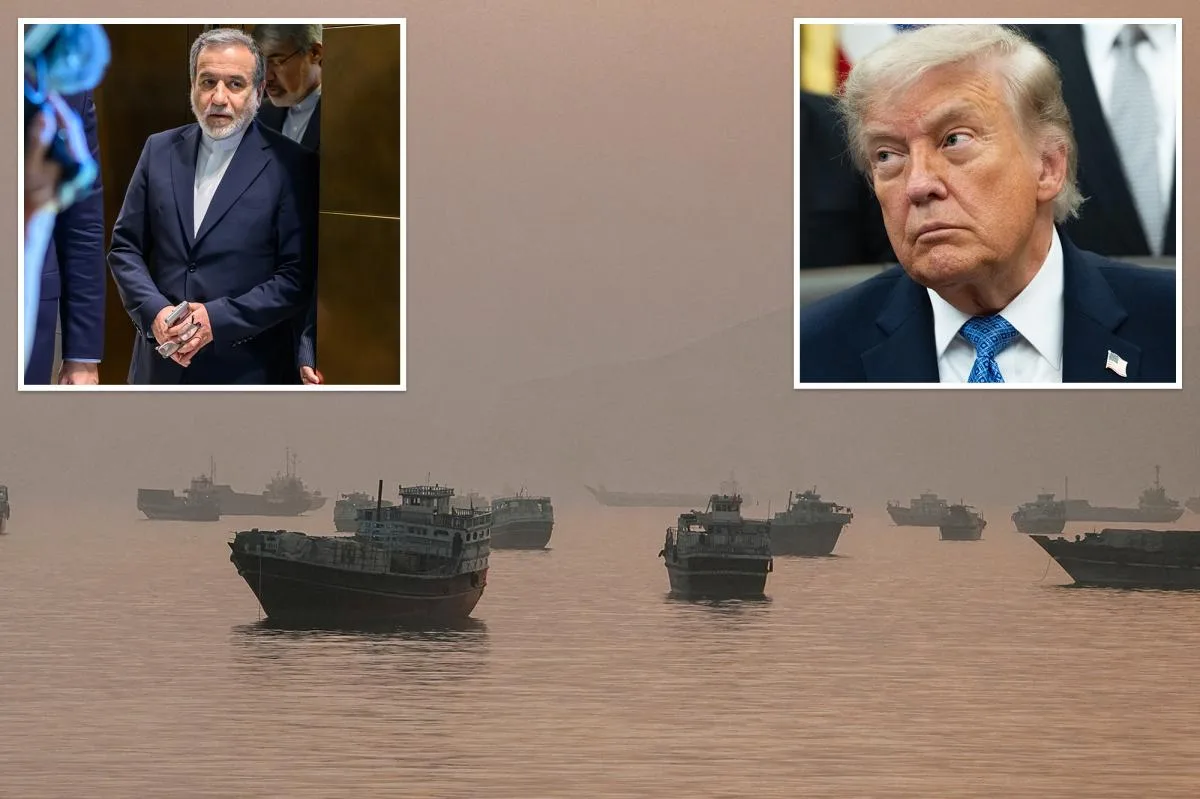
In a tense diplomatic effort, Iranian and Middle Eastern officials convened in Oman to discuss navigation security through the Strait of Hormuz, responding to US calls for Tehran to formally guarantee the waterway remains open. The talks focused on safety measures for vessels passing one of the world's most strategic maritime chokepoints.
The meeting featured Iranian Foreign Minister Abbas Araghchi and Oman's Foreign Minister Badr Albusaidi in Muscat, with Qatari officials also participating in a potential mediating role. Discussions reportedly included the idea of establishing a “median lane” along the strait, aiming to balance conflicting demands on shipping routes.

Washington insists ships should transit along the southern path near the Omani coast, while Tehran prefers vessels stay close to the Iranian coastline under its control. The US demands a public statement from Iran affirming the strait’s openness and a pledge to stop attacks following recent Iranian assault on shipping lanes. A US official warned that failure to secure this explicit commitment could lead to serious repercussions.
Despite the US pressure, Iran signaled defiance and threatened to withdraw from an existing Memorandum of Understanding if the US does not uphold its terms. Iranian Ambassador to the UN Amir Saeid Iravani emphasized that continued US violations would release Iran from its obligations under the agreement reached the previous month.
This diplomatic standoff unfolds against the backdrop of escalating tensions and recent hostile incidents in the Strait of Hormuz, a vital artery for global oil shipments. The outcome of these talks may shape maritime security dynamics in a region pivotal to international energy supply and geopolitical stability.