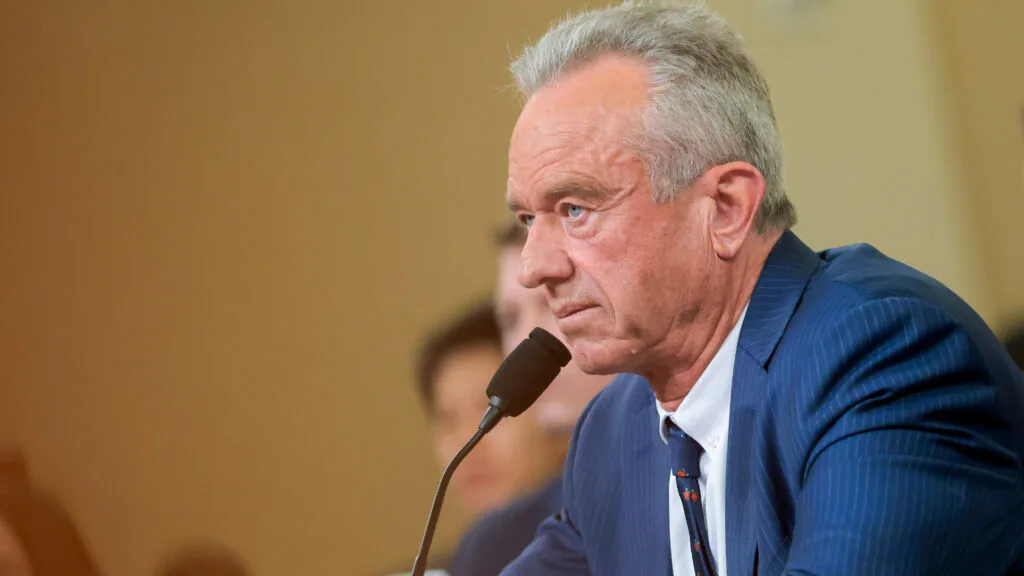
Robert F. Kennedy Jr., now serving as Health and Human Services Secretary, appeared before multiple congressional committees to discuss the Trump administration's budget and health policy priorities in what marked his first extended engagement with lawmakers in more than six months. While Republicans pushed back on proposals to reduce funding for the National Institutes of Health, the hearings exposed gaps in congressional oversight of critical public health challenges that demand sustained attention.
One pressing concern centers on the nation's ability to track and respond to disease outbreaks. More than a year after measles reemerged nationally, local health departments continue to be caught off guard by transmission events. In Florida and Utah, state health reporting has lagged behind actual disease spread or omitted essential details, leaving residents without timely information. South Carolina and Texas have felt the acute consequences of delayed surveillance. The hearings did not address specific measures to strengthen state-level disease reporting infrastructure—a significant omission given that current systems are straining to monitor even familiar diseases with established population immunity.

The vaccine advisory framework presents another urgent policy challenge. Since the previous spring, the Department of Health and Human Services has replaced every member of the CDC's top vaccine advisory committee and continues restructuring it. The administration has also reversed several longstanding vaccine recommendations without citing new clinical evidence to override expert consensus. A federal court recently deemed the committee's actions "arbitrary and capricious" and suspended its operations. This institutional instability has left no functioning mechanism to provide the guidance that physicians, insurers, and parents rely on for vaccination decisions. During the hearings, Kennedy affirmed the measles vaccine's safety and effectiveness, but Congress failed to press him on restoring institutional coherence or ensuring clear, consistent public messaging.
Access barriers compound these systemic vulnerabilities. Recent polling shows that nine in ten Americans believe vaccines are important, yet more than half worry that politicization and confusion are eroding vaccine access. Many who want vaccination cannot obtain it due to insurance coverage gaps, provider financial constraints, and transportation obstacles—barriers that disproportionately affect rural Americans and less mobile seniors. Congress has not adequately examined how to remove these obstacles or how to support sustained vaccine innovation. The administration recently halted funding for mRNA vaccine development, potentially abandoning a promising avenue that has demonstrated success in combating influenza, hepatitis, and other diseases since Operation Warp Speed produced the first Covid-19 vaccines.
Kennedy emphasized a recent $1 billion investment in vaccine research, but lawmakers did not challenge him on restoring support for critical research domains or ensuring that promising work continues. Infectious disease threats affect every American. Maintaining congressional oversight, rebuilding trust in vaccine advisory structures, and removing access barriers remain shared responsibilities between the administration and Congress—responsibilities that demand ongoing engagement beyond initial hearings.