U.S. District Judge Christopher Cooper heard arguments Wednesday from preservation groups seeking a preliminary injunction to block construction at the Kennedy Center ahead of a July 6 start date. The groups contend that Trump and the center's board of trustees may circumvent historic preservation laws governing the building, which operates as a major arts and cultural destination drawing millions of visitors annually.
The Kennedy Center, a gleaming white marble structure on the Potomac River, holds particular significance as a "living monument" to President John F. Kennedy, who raised funds for its construction before his assassination. The building's status as a landmark central to Washington's landscape has become a focal point in the legal dispute.
Attorney Greg Werkheiser, representing the preservation groups, framed the core issue at stake: whether officials will "slow down and take stock before we make changes to properties that define the American experience." Justice Department attorneys defending the president and board countered that renovation plans remain limited in scope and fall squarely within the board's authority, requiring no additional approvals.
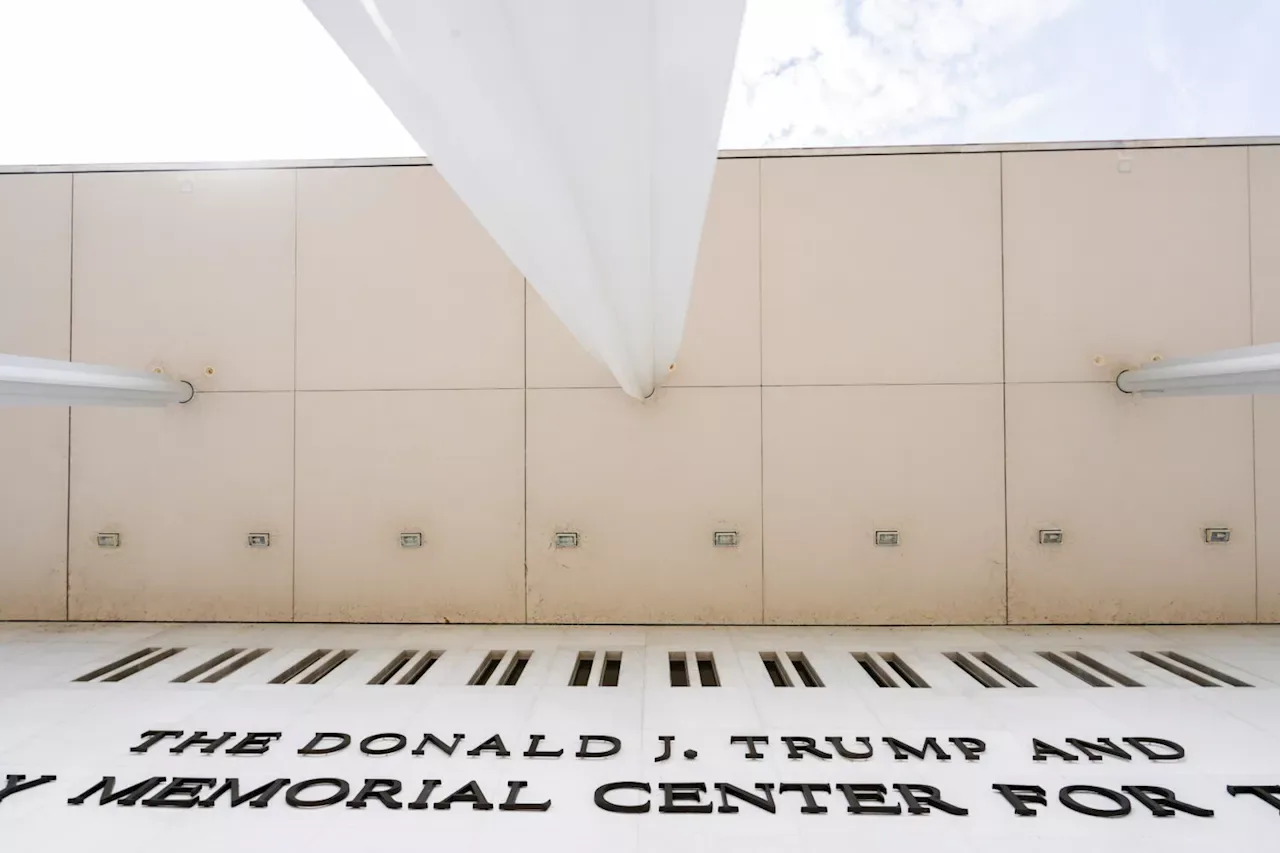
Since returning to office last year, Trump has exerted significant control over the Kennedy Center. He removed its previous leadership and installed a handpicked board that designated him chairman—a move that drew criticism from artists and strained the institution's finances. Trump's name was subsequently added to the building's facade, and he announced the renovation plans earlier this year.
During testimony, executive director Matt Floca, a former facilities manager appointed by the Trump-aligned board, characterized the renovations as necessary repairs addressing decades of deterioration, including extensive water damage. He stated that closing the center temporarily represented "the most efficient and effective way" to complete the required work.
Preservation attorneys questioned whether the project's scope remained truly limited, citing Trump's public statements about "fully exposing" the building's steel skeleton. Justice Department attorney Yaakov Roth dismissed these concerns as exaggerated, asserting there was "no risk that there will be unilateral changes" or that the structure would be fundamentally altered.
The Kennedy Center dispute mirrors broader conflicts over Trump's imprint on the nation's capital. Since taking office, he has authorized the demolition of the White House's East Wing to make room for a $400 million ballroom and paved over the historic Rose Garden. The president has also added his name to the United States Institute of Peace and advanced plans for a 250-foot "triumphal arch." Representative Joyce Beatty, a Democrat from Ohio, has filed her own lawsuit as an ex officio board member seeking to halt the renovations. Judge Cooper is overseeing both cases.