

Illinois has become a forerunner in state-level artificial intelligence regulation by enacting legislation aimed at curbing the potential dangers posed by advanced AI models. The law targets AI systems generating over $500 million annually and trained with immense computational resources, imposing stricter accountability and disclosure requirements.
The bill, titled the Artificial Intelligence Safety Measures Act, compels developers to publish frameworks explaining how they evaluate risks of catastrophic harm. Such harm includes scenarios involving significant loss of life or extensive property damage. In practice, this means AI companies must detail efforts to prevent misuse of their models for activities like manufacturing weapons or launching cyber-attacks. These reporting rules demand notification within 72 hours of any incident potentially damaging to Illinois, or within 24 hours if there is an immediate threat to human life.

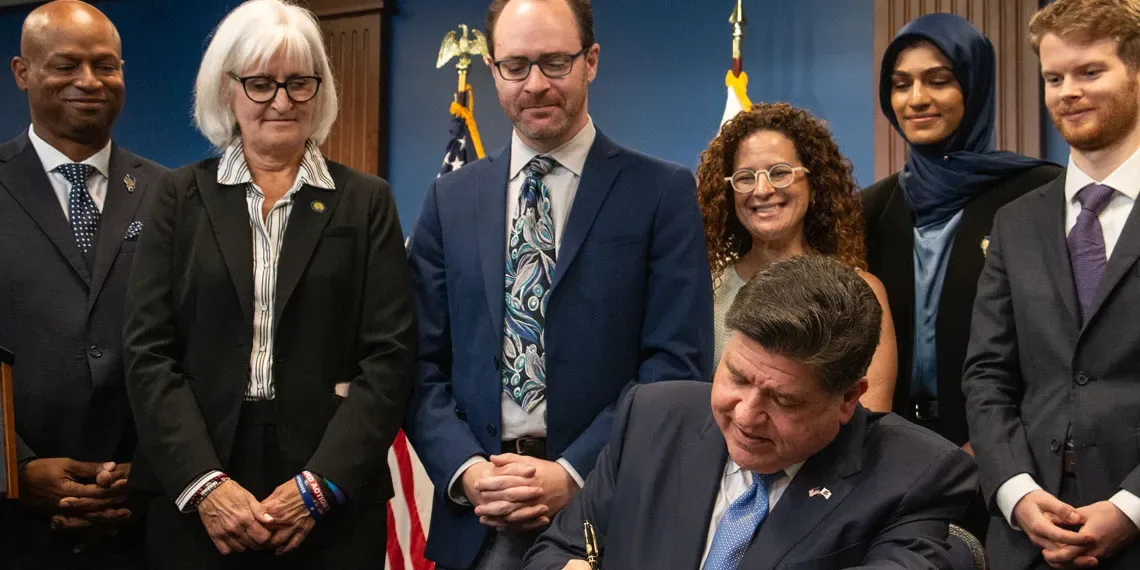
This legislation draws on similar laws recently passed in California and New York, collectively representing a substantial portion of the U.S. AI market, and shaping an emerging national standard amid federal inaction. Illinois Governor JB Pritzker emphasized the urgency of state leadership, criticizing Congress for failing to regulate an industry that some special interests prefer unmonitored. The sponsor highlighted tangible examples already seen, including AI-driven mass violence and infrastructure attacks, underscoring that the risks are immediate, not hypothetical.
Developers of large-scale AI systems will now be legally bound to document their risk assessments publicly, ensuring transparency on how potential threats are managed. The law also mandates prompt incident reporting to state authorities, a move aimed at rapid mitigation. Supporters argue these guardrails balance fostering innovation with protecting public safety.
By instituting these measures, Illinois joins a growing set of states establishing guardrails to govern AI’s rapid evolution, aiming to hold developers accountable for the real-world impacts of their technologies before federal rules emerge.