

US Grants Temporary Sanctions Relief on Iranian Oil Amid Inspection Dispute
The US authorized a 60-day waiver on Iranian oil sanctions to support diplomacy, despite Iran denying any new nuclear inspection agreements.
A U.S. court approved dismissing the criminal case against Turkey’s Halkbank over Iran sanctions, sparking protests from terrorism victims excluded from the deal.
Washington eased Iran’s oil sanctions for 60 days during ongoing negotiations, while Trump visits Pennsylvania to highlight economic achievements and shift focus from rising gas prices.
President Trump connects potential sanctions relief for Iran to the purchase of American farm products, emphasizing efforts to prevent Iran from acquiring nuclear weapons during ongoing negotiations.
The US Treasury has issued a 60-day license permitting Iranian oil exports and US imports under a new preliminary agreement, marking a notable shift in US-Iran policy.
While tariffs can pressure foreign governments, steep steel and aluminum tariffs raise costs for manufacturers and consumers without promptly restoring domestic production.
The US imposed sanctions on individuals and firms in Europe, the Middle East, and West Africa to disrupt ISIS's cross-border financing and global operations.
China is set to open a second terminal in Shandong province to import sanctioned Russian LNG, expanding Moscow’s access amid European phase-out plans.
The U.S. Treasury issues a 60-day license permitting Iranian oil exports and transactions as part of early negotiations aimed at stabilizing regional tensions and global energy markets.
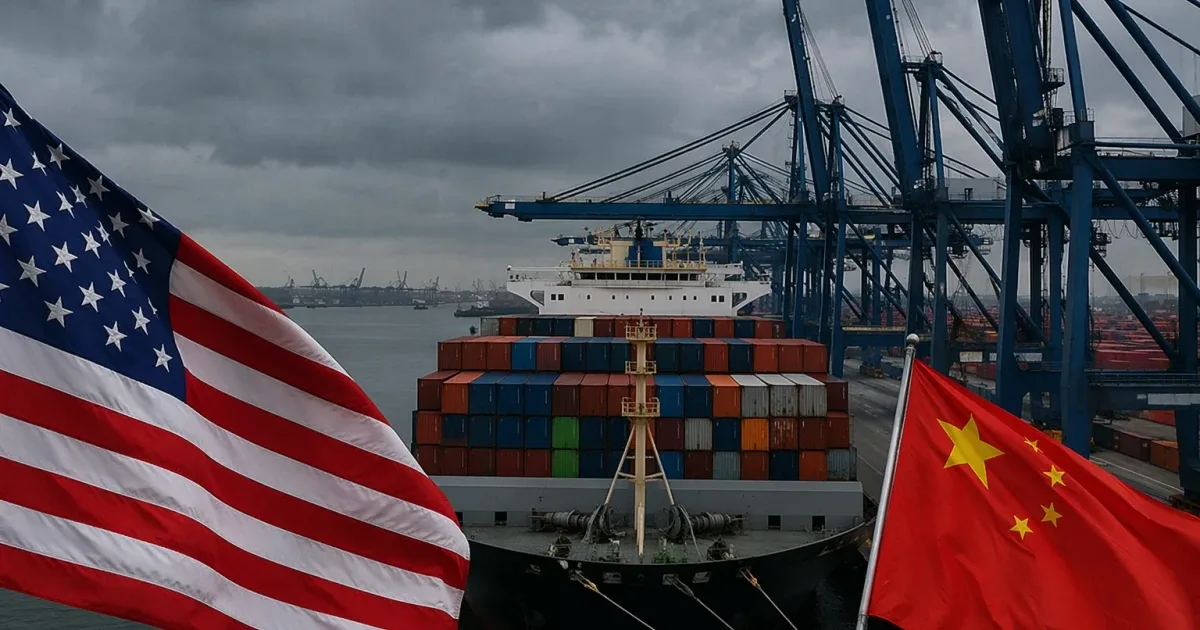
China has responded to U.S. sanctions targeting its technology giants by imposing export controls on key tech products to American defense contractors.
China restricts dual-use exports to 10 U.S. defense firms and bans government procurement from 46 U.S. companies, escalating the technology and defense standoff with Washington.
Taiwan warns that Beijing’s control over atemoya imports risks weaponizing fruit trade, urging expansion into new markets and product forms to reduce dependence.