

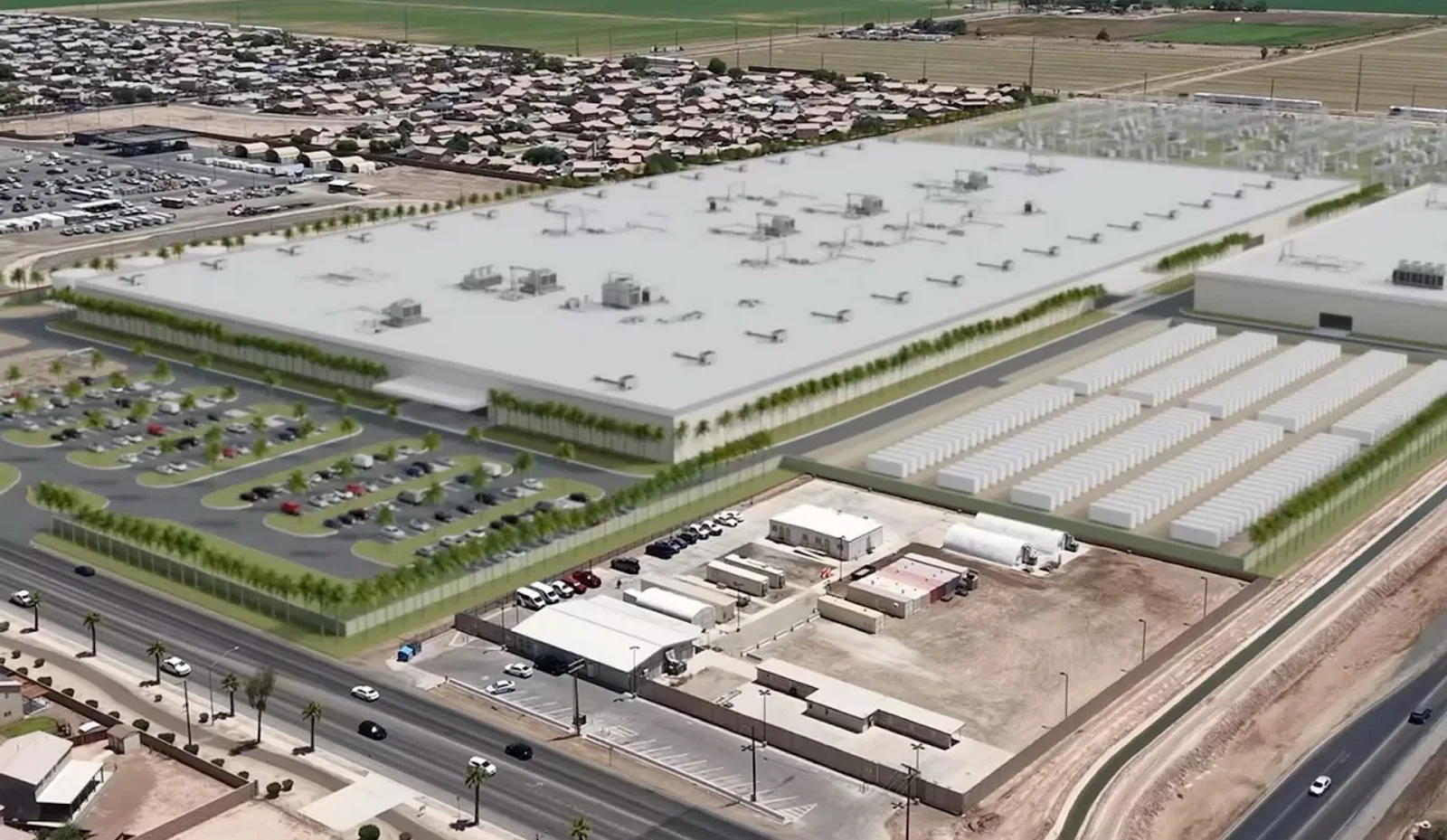
California officials have halted progress on the Imperial Data Center, a proposed hyperscale facility nearing one million square feet, planned to house AI and machine learning operations. Once seen as a swift local development, the project now faces a 45-day moratorium enacted by county supervisors amid growing public backlash and a legal dispute over water rights.
The moratorium, introduced after an extensive public hearing, puts on hold further data center projects while a newly formed commission reviews zoning policies. Residents voiced strong concerns about the rapid approval process and the potential environmental impacts of such a large-scale development in rural Imperial County.

The developer behind the project, Imperial Valley Computer Manufacturing, LLC, filed a lawsuit against the Imperial Irrigation District seeking legal access to approximately 260 million gallons of water annually from the Colorado River. This water demand adds to existing regional stress, as Imperial County grapples with limited natural water resources, heavy agricultural usage, pollution, and heightened energy needs.
Originally, the data center's plans included using recycled water to minimize environmental impact, but those efforts faltered, prompting the developer to pursue the water rights lawsuit. The project promises economic benefits, including thousands of construction jobs, hundreds of permanent positions, and significant tax revenue, but critics argue this does not outweigh the risks posed by intensified water consumption and environmental concerns.
Local officials have highlighted the proximity of the site to residential neighborhoods and called for more comprehensive environmental assessments addressing air quality, water usage, and energy demand before permitting construction to proceed.
This clash illustrates mounting tensions in regions balancing rapid technological infrastructure growth against environmental sustainability and community welfare. As demand for AI capabilities fuels the race for data centers, water access and ecological constraints remain pivotal challenges, particularly in drought-prone areas relying on the Colorado River.