

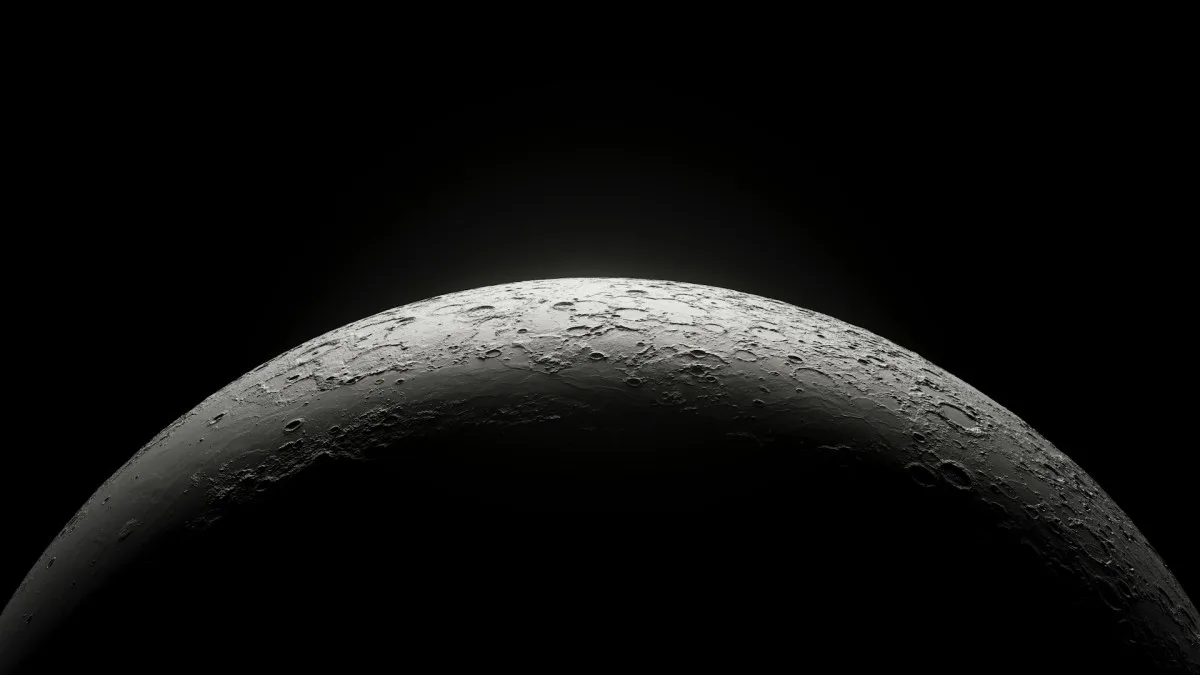
NASA has announced ambitious plans to develop a semi-permanent base on the Moon’s south pole, powered by both solar energy and nuclear reactors. This effort is part of a broader goal to enable sustained human presence and scientific research on the lunar surface, with an eye toward future missions to Mars.
The agency aims to begin with a series of robotic missions that will deploy landers, hopping drones, and delivery vehicles to survey the terrain and prepare for human landings. These robotic explorers will carry communication tools and scientific instruments to support in-depth study of the lunar environment. NASA has partnered with companies such as Intuitive Machines, Astrobotic, Blue Origin, and SpaceX to develop the necessary technology and hardware to support these efforts.

Following these initial missions, NASA plans to return astronauts to the Moon before 2030, roughly 60 years after the Apollo landings. The space agency projects transporting about four metric tonnes of equipment to the lunar surface through approximately 25 launches by 2029. Central to the lunar base will be integrated power infrastructure, combining solar panels and nuclear fission reactors to provide reliable energy independent of Earth.
Choosing the Moon’s south pole for this installation is strategic due to the presence of frozen water ice, which could be converted into drinking water and oxygen to sustain the crew. The base aims to operate under “semi-permanent” conditions, allowing astronauts not just to visit but to live and work on the Moon for extended periods.
While NASA’s programme includes significant technological milestones, some experts question the timeline’s feasibility. Delays in developing lunar landers capable of safely transporting astronauts remain a challenge. Observers note that other countries, notably China and Russia, have plans for crewed lunar landings and permanent bases on or around the same timeline, increasing the competitive stakes of lunar exploration.