

The US trade deficit widened significantly in May, reaching $77.6 billion as imports soared to a record level driven largely by capital goods linked to artificial intelligence (AI) development. This marked a sharp increase from April, reflecting sustained corporate investment despite growing trade imbalances.
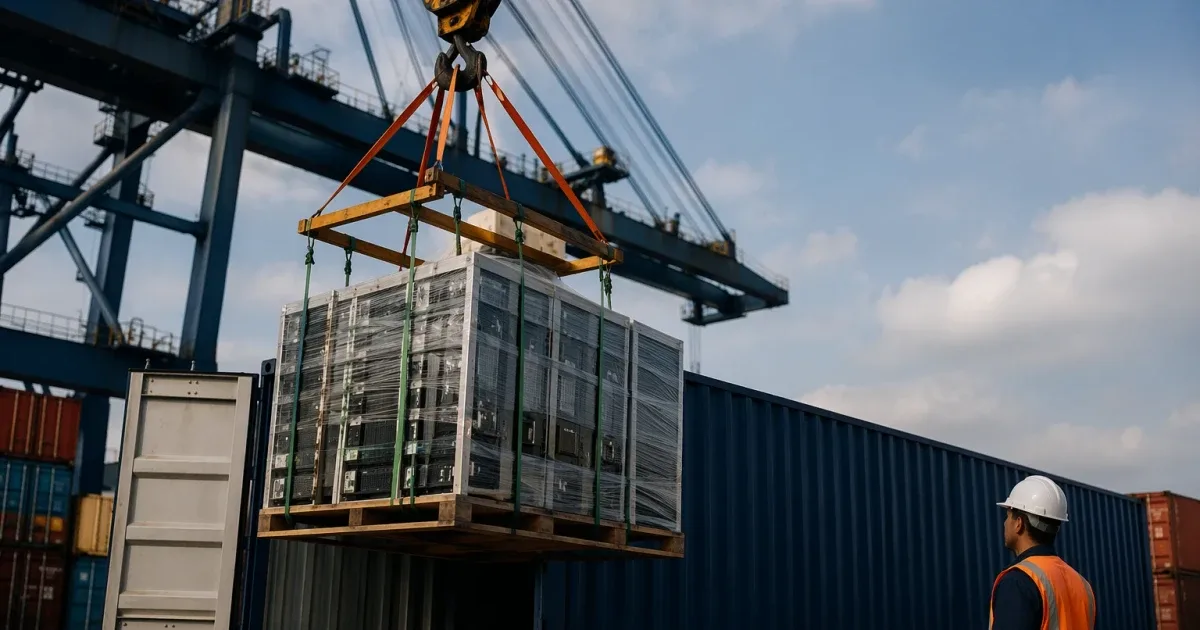
Imports climbed to $395.3 billion, including a record $128 billion in capital goods, such as semiconductors and computer accessories. These imports point to robust expansion in AI-related infrastructure, including data centers and advanced machinery. Meanwhile, exports decreased to $317.7 billion, pushing the goods deficit to $106.5 billion even as the surplus in services edged up slightly to $28.9 billion.

The Commerce Department’s revised figures highlight how heightened AI spending is reshaping trade patterns. The Federal Reserve Bank of Minneapolis reported that AI-related products accounted for nearly a quarter of total US imports in 2025 and had surged 73% since 2023. This growth far outpaces non-AI related imports, which rose by merely 3% over the same period.
Geographically, much of the AI import growth stems from key trading partners such as Mexico and Taiwan, which together represent about half of US AI-related imports. Data-center investment alone is projected to surpass $500 billion in 2025, underscoring the scale of capital committed to AI infrastructure.
The broader trade figures also reflect an element of front-loading, with businesses importing goods ahead of possible price increases and supply disruptions linked to geopolitical tensions in the Middle East and the potential imposition of new tariffs. This anticipation likely contributed to the record levels of petroleum exports in May, which hit $38.4 billion, demonstrating strong demand even amid uncertain global conditions.
Overall, the May trade data illustrate that the expanding deficit is driven not only by external factors like tariffs and geopolitical risk but also by an intensive domestic investment cycle heavily focused on AI technology and infrastructure development. This dynamic will continue to influence trade balances and economic growth in the near term.