

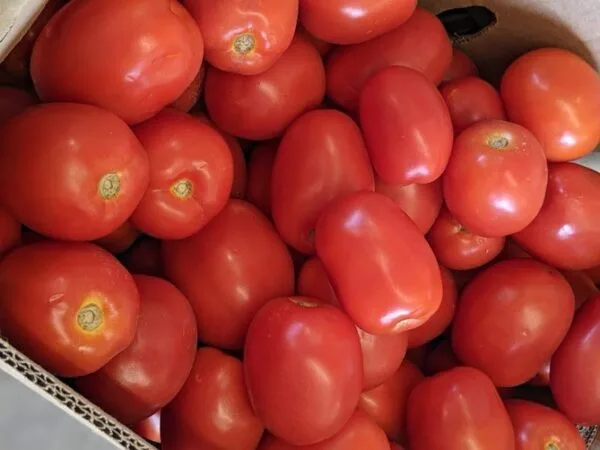
The U.S. International Trade Commission (ITC) has unanimously decided to keep anti-dumping tariffs on Mexican tomatoes in place, rejecting a recent request by Mexican producers to remove them. This decision comes after Mexican exporters sought a change of circumstances review to lift the existing 17 percent tariff.
Industry leaders argue that these tariffs are essential to safeguard U.S. tomato growers from foreign imports sold below production cost, a practice defined as dumping. The Florida Tomato Exchange highlighted the long struggle of domestic growers facing price pressures, pointing to significant market losses and surging Mexican imports over the past decades.

Tomato growers in the U.S. have endured major challenges, including a sharp decline in domestic field-grown tomato production. According to USDA data, production of fresh market tomatoes dropped by nearly half since 2010 and more than 60 percent since 2000. Growers from Florida, representing over half of the country’s fresh tomato output, have been particularly affected.
Domestic producers emphasize the tariffs help stabilize the market amid complex pressures such as adverse weather conditions, pest issues, and labor constraints—both within the U.S. and Mexico. A combination of freezes, rainfall disruptions, and labor issues recently caused a dramatic spike in tomato prices early this year, reflecting the fragile state of supply.
Market share analysis further illustrates the strain on U.S. tomato farmers: the domestic share fell from 80 percent to 30 percent while Mexican tomato imports soared by 400 percent since the early 2000s. Since the termination of a suspension agreement in 2019, the ITC has held two hearings on the matter, all resulting in support for maintaining tariffs aimed at preventing market harm.