

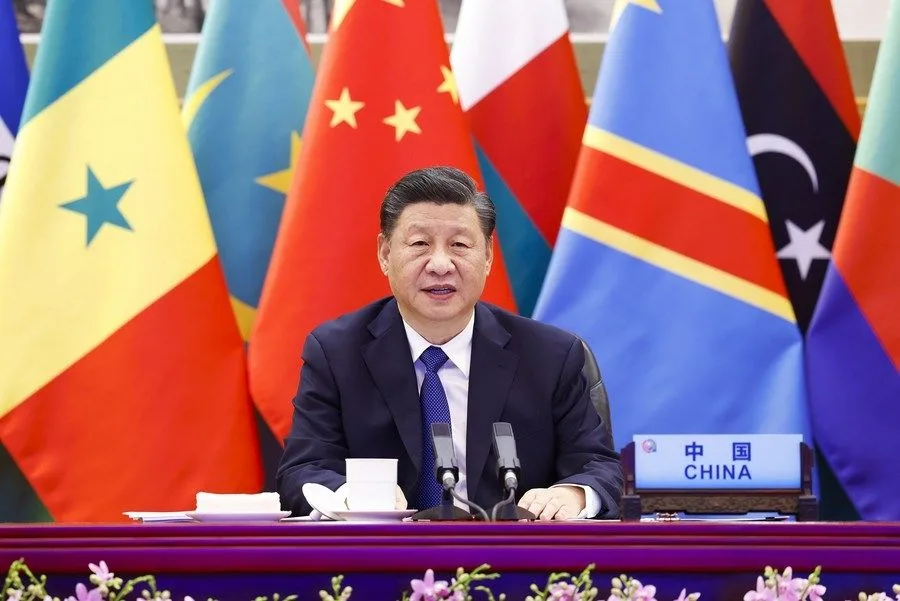
China’s diplomatic strategy in Central Africa reveals a stark contradiction between its public calls for peace and behind-the-scenes military and economic maneuvers that could escalate regional instability. While Beijing positions itself as a mediator seeking to foster economic cooperation and stability, its involvement in supplying arms and maintaining defense ties with rival factions fuels ongoing conflicts.
In the Democratic Republic of the Congo (DRC), China's dual role is particularly evident. Chinese companies dominate the mining of key resources like cobalt, coltan, copper, and uranium, vital to global supply chains. To protect these investments, Chinese-backed security forces have been deployed at mining sites, even as the country battles rebel groups such as M23. Both the DRC government and its regional adversaries, Rwanda and Uganda, have acquired Chinese weaponry and drones, entangling Beijing in the conflict indirectly.

According to experts cited by the Africa Defense Forum, China maintains defense and economic relationships with opposing parties, creating a "two-faced diplomacy" that serves Beijing’s commercial interests but undermines efforts toward peace. This approach allows China to portray an image of non-intervention while actively training local security personnel, providing logistical support, and encouraging troop deployments to safeguard its assets.
Observers warn that this strategy prioritizes short-term influence and protection of investments over lasting stability. By simultaneously arming rival factions and supporting government forces, China risks prolonging violent confrontations that threaten the very economic interests it seeks to secure.
This pattern is part of a broader geopolitical trend where China publicly advocates peaceful cooperation but engages in actions that complicate regional security. Similar criticisms have emerged in other contexts, such as the South China Sea dispute, where Beijing’s rejection of international arbitration rulings has drawn accusations of hypocrisy.
China’s stance in Central Africa, framed by its expanding military and industrial footprint, raises questions about the long-term consequences of its dual approach. While Chinese investments are transforming economies and infrastructure, their intertwining with local conflicts highlights the challenges of balancing economic ambitions with regional peace efforts.