

The review and potential renegotiation of the United States-Mexico-Canada Agreement (USMCA) has cast uncertainty over agricultural trade, particularly impacting U.S. soybean producers who depend heavily on access to the Mexican market. With the U.S. government signaling it will not renew the agreement in its current form and opening the door to renegotiations or alternative trade deals, producers face a critical period of unpredictability in securing their export channels.
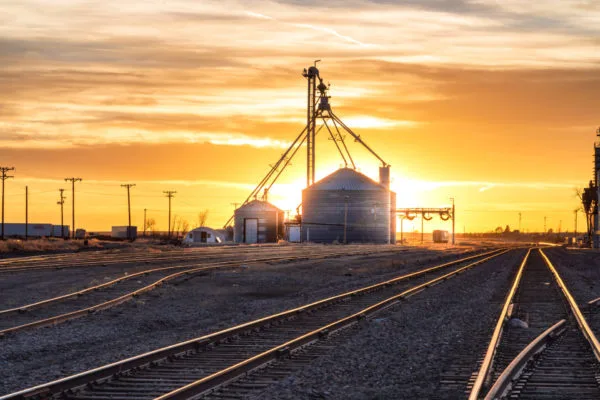
The Kansas Soybean Association emphasized the significance of Mexico as a key trading partner. Its geographic proximity offers considerable advantages in transportation and cost efficiency, particularly for farmers in the Central Plains, who ship much of their crop via rail directly to Mexico. Given this logistical edge and Mexico’s status among the top three markets for U.S. soybeans, maintaining and expanding trade agreements with Mexico has become a top priority for the agriculture sector.

Officials involved in the soybean industry warn that any disruption or weakening of current agreements could have ripple effects on farm economies in the Midwest and Central Plains, where soybean exports contribute substantially to growers’ revenues. The U.S. administration has made clear that all options remain open, including pursuing separate trade deals with Canada and Mexico, but this approach prolongs uncertainty for producers currently aligned under the USMCA framework.
Market observers note that Mexico’s role is particularly critical amid rising competition from other global soybean producers, such as China, which intensifies the need for stable and predictable market access. The outcome of these trade negotiations will be closely watched by the agricultural community, which continues to call for policies that protect and strengthen these vital export relationships.