

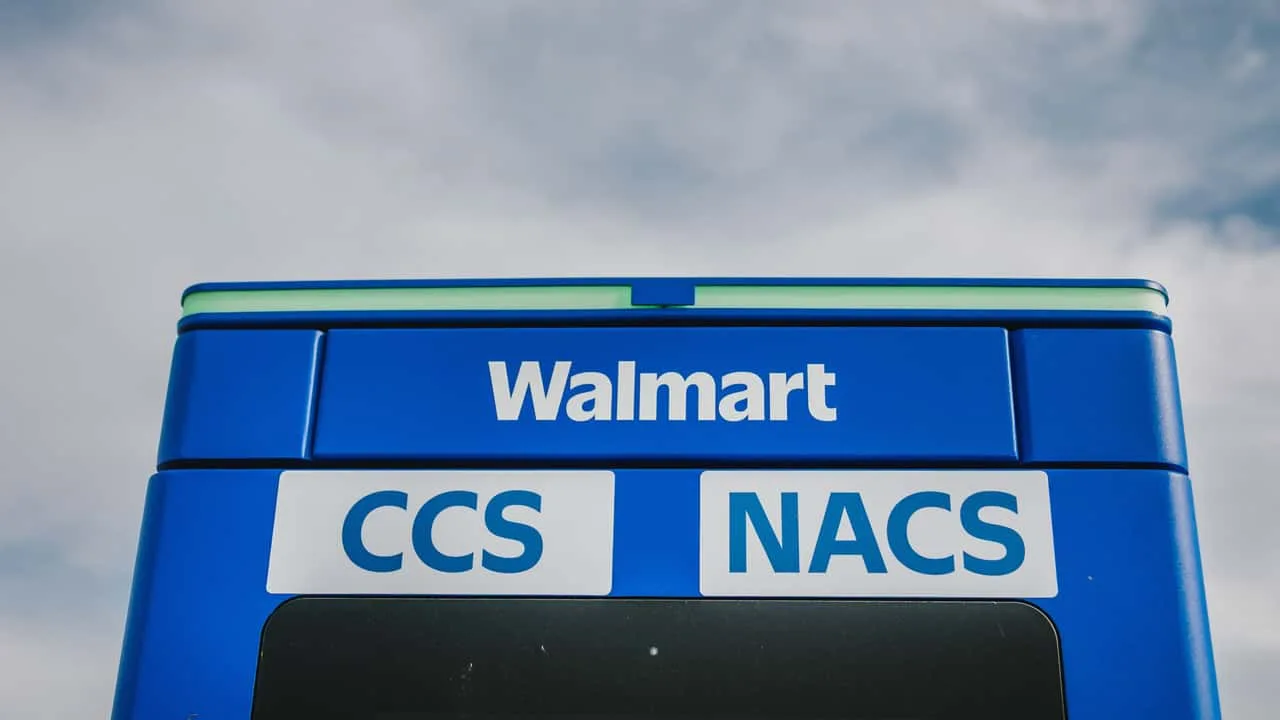
Walmart dramatically accelerated its deployment of electric vehicle fast chargers during the second quarter, installing 368 new ports across the United States. This surge placed the retail giant second only to Tesla, which added 1,185 chargers, and ahead of well-established networks like ChargePoint and Electrify America. Walmart's fast expansion marks a significant shift, moving from a modest presence to capturing over 8% of the nation’s new public fast-charging stations in just a few months.
The rapid growth reflects Walmart’s unique advantage in the EV charging infrastructure race. With more than 3,500 Supercenters nationwide, Walmart controls vast real estate that requires no costly lease negotiations or land acquisition. Its stores’ large parking lots offer ample space to build multiple fast-charging stalls, complemented by amenities such as restrooms and food options—features that enhance the user experience during charging sessions. More than 90% of the U.S. population lives within 10 miles of a Walmart, highlighting the company’s unparalleled reach.

Walmart’s rise in fast-charger installation is notable compared to recent quarters, when it did not rank among the top ten deployers. Its second-quarter push signals a strategic commitment to scale up its network rapidly, aiming to install thousands of chargers by the decade’s end. This plan addresses a critical gap in the U.S. charging landscape, where existing networks tend to concentrate in coastal metro areas and select industrial regions.
Expanding into rural and underserved states like Nebraska, Montana, Oklahoma, and Ohio, Walmart’s growing network could foster EV adoption in less-developed charging markets. However, the company still faces challenges navigating diverse state utility regulations and local permitting requirements, which can slow deployment. Despite these hurdles, Walmart’s proven real estate strategy and rapid rollout pace position it to influence the future of fast charging across America, potentially accelerating the buildout beyond what existing networks have achieved.