

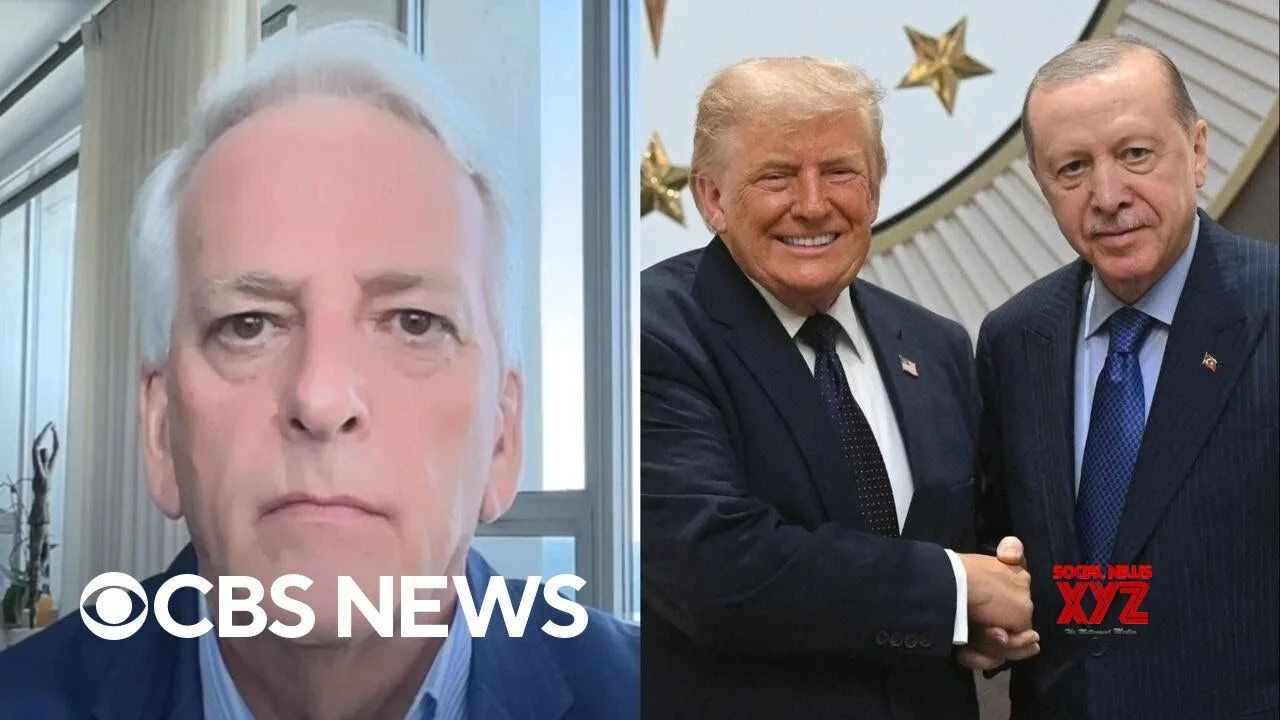
President Trump highlighted his improving ties with Turkey during a recent NATO summit held in Ankara, where he announced the lifting of sanctions on the country. This decision came as part of efforts to strengthen the U.S.-Turkey relationship amid ongoing geopolitical challenges within the alliance.
However, Ivo Daalder, who previously served as the U.S. ambassador to NATO, called the move “a strange way to do business,” signaling concerns over the approach and timing of easing sanctions without broader consensus among NATO members. Daalder emphasized that such actions could undermine alliance cohesion and the reliability of U.S. foreign policy.

The sanctions in question had been imposed due to Turkey’s military actions and its procurement of certain defense systems viewed unfavorably by the U.S. and its NATO partners. Lifting these sanctions reflects a pivot in U.S. strategy, focusing on recalibrating relations with Turkey amid tensions over regional security and diplomatic cooperation.
During the two-day NATO summit, Turkey’s role and its strategic positioning in the alliance were key topics, especially given its unique geostrategic importance and recent independent defense policies. The decision to remove sanctions drew mixed reactions from other NATO members who remain wary of Turkey’s defense acquisitions and their potential impact on alliance interoperability.
Beyond the immediate diplomatic implications, experts warn that bypassing broader NATO consultation when adjusting sanctions policies might complicate future negotiations within the alliance. The episode underlines ongoing challenges in balancing bilateral relations and collective alliance interests, especially with members that pursue divergent defense strategies.