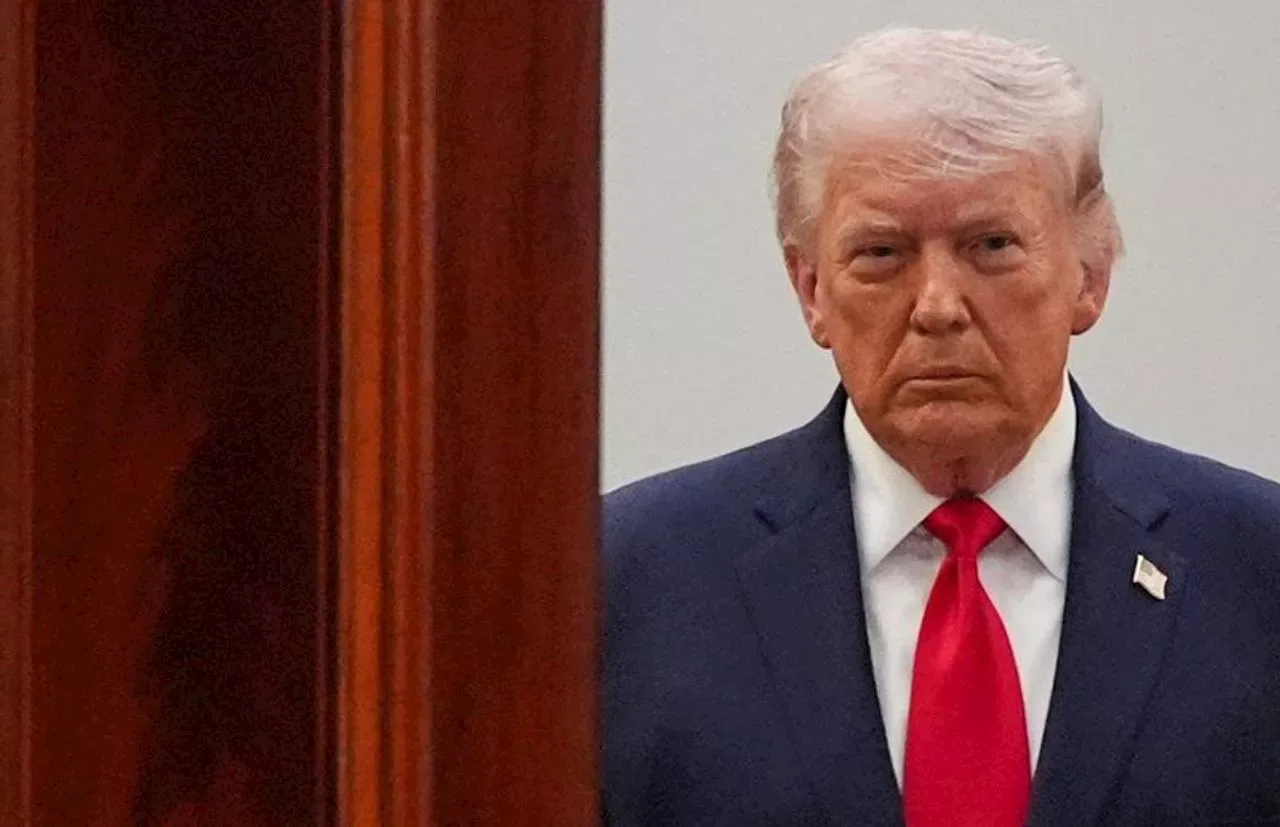
Congress faced a May 1 deadline to either declare war or authorize military force in the Iran conflict, or request a 90-day extension under the War Powers Act of 1973. The deadline arrived Friday with no GOP attempt to enforce the requirement. Senate Republicans left town for a week-long recess Thursday after Democrats made a sixth failed attempt to halt the war, and the Trump administration has shown no interest in seeking congressional approval.
The White House is arguing that the statutory deadlines do not apply because the military conflict has effectively paused. A senior administration official stated that "the hostilities that began on Saturday, Feb. 28 have terminated," noting that the U.S. military and Iran have not exchanged fire since a two-week ceasefire began April 7. The administration also contends that during a ceasefire, the 60-day clock pauses or stops.

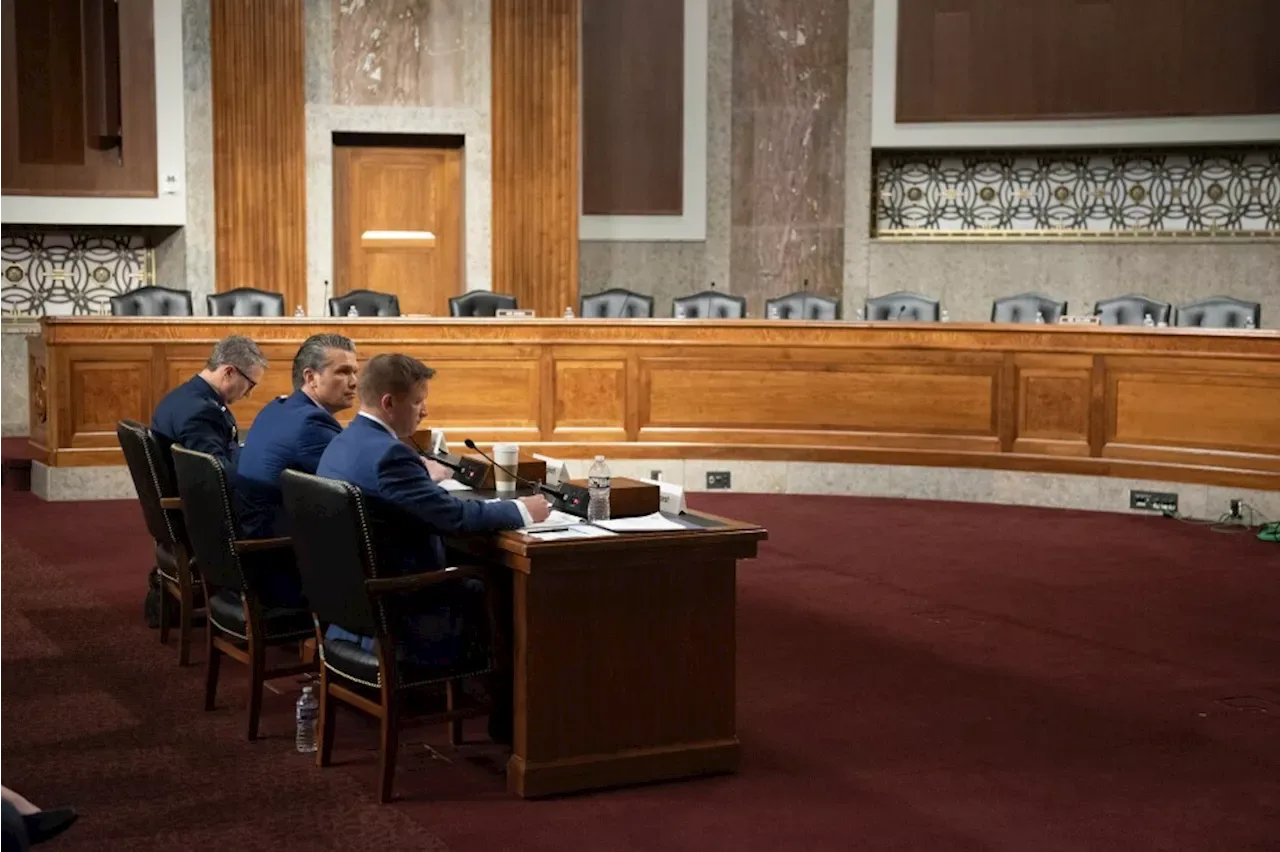
Democrats rejected this interpretation. Virginia Sen. Tim Kaine told Defense Secretary Pete Hegseth during a hearing that the statute does not support the administration's position. California Rep. Adam Schiff argued that the military continues operating warships and other assets even though bombing has ceased. House Armed Services Committee ranking Democrat Adam Smith expressed skepticism about Trump administration compliance, telling the Associated Press: "Is the expectation that the Trump administration is going to follow the law? I do not have that expectation."
Most Republican lawmakers say they remain supportive of Trump's wartime leadership or are willing to grant him additional time. However, a small group of GOP senators has signaled that Congress should eventually assert its authority. Alaska Sen. Lisa Murkowski said Thursday she will introduce a limited military authorization when the Senate returns if the administration has not presented a "credible plan." Maine Sen. Susan Collins stated that the 60-day deadline "is not a suggestion, it is a requirement," and that presidential authority as commander-in-chief has limits. North Dakota Sen. Kevin Cramer said he would vote for an authorization if Trump requested one, though he questioned whether the War Powers Resolution itself is constitutional. Utah Sen. John Curtis and other Republicans have similarly indicated they want Congress to eventually vote on the conflict.
Senate Majority Leader John Thune said he was listening to conference members but did not see sufficient appetite among GOP lawmakers to force Trump's hand. The administration's position appears to have solidified Republican deference for now, even as some members of Congress push for eventual legislative input.