U.S. Inflation Drops to 3.5% Driven by Sharp Decline in Gas Prices
U.S. inflation slowed to 3.5 percent in June as gasoline prices fell nearly 10 percent, providing temporary relief amid lingering uncertainties in energy markets.



U.S. inflation slowed to 3.5 percent in June as gasoline prices fell nearly 10 percent, providing temporary relief amid lingering uncertainties in energy markets.
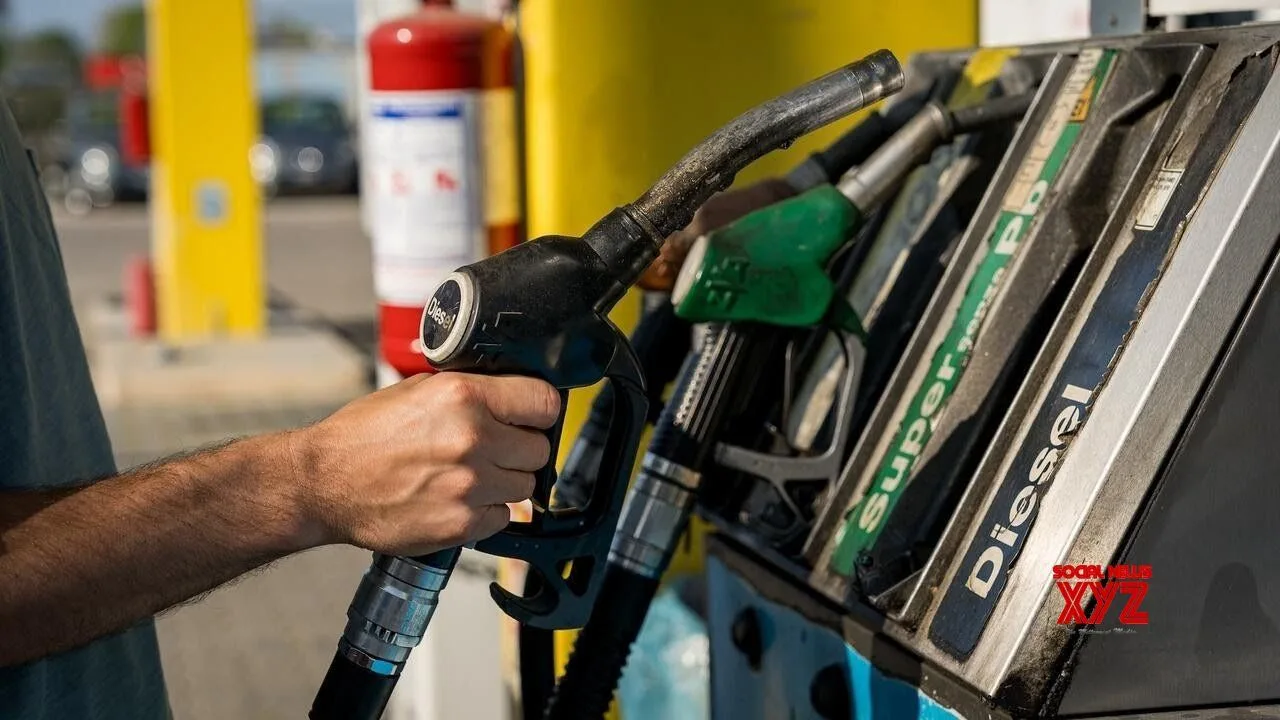
Recent Labor Department figures reveal inflation eased more than anticipated in June, helped by falling gasoline costs linked to U.S. diplomatic moves with Iran.
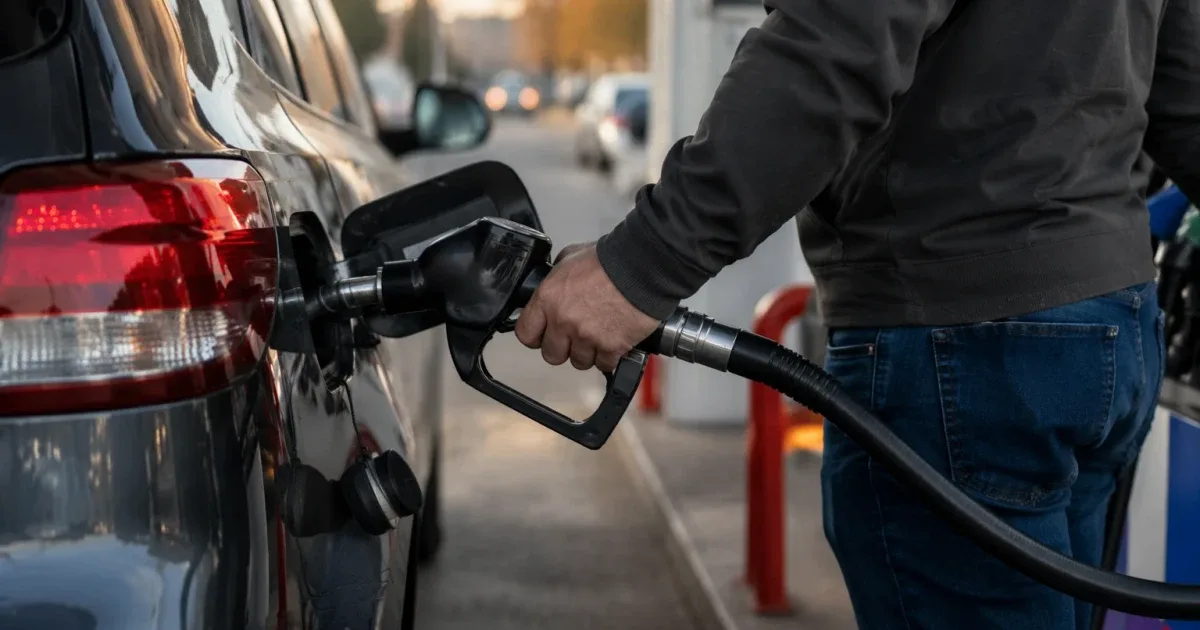
Fuel prices pulled the Consumer Price Index down notably in June, marking the steepest monthly drop in over two years as energy costs eased despite persistent inflation in shelter and food.

Bitcoin rallied above $63,000 following U.S. inflation figures that undershot forecasts, easing concerns over a July Federal Reserve rate hike and boosting crypto sentiment.

Inflation slowed notably in June due to falling energy and gasoline prices, but core inflation remains above target, leaving Federal Reserve rate decisions uncertain.

India’s wholesale price inflation edged up to 9.87% in June, driven by energy costs and diverse inflation levels across commodities, according to government data.

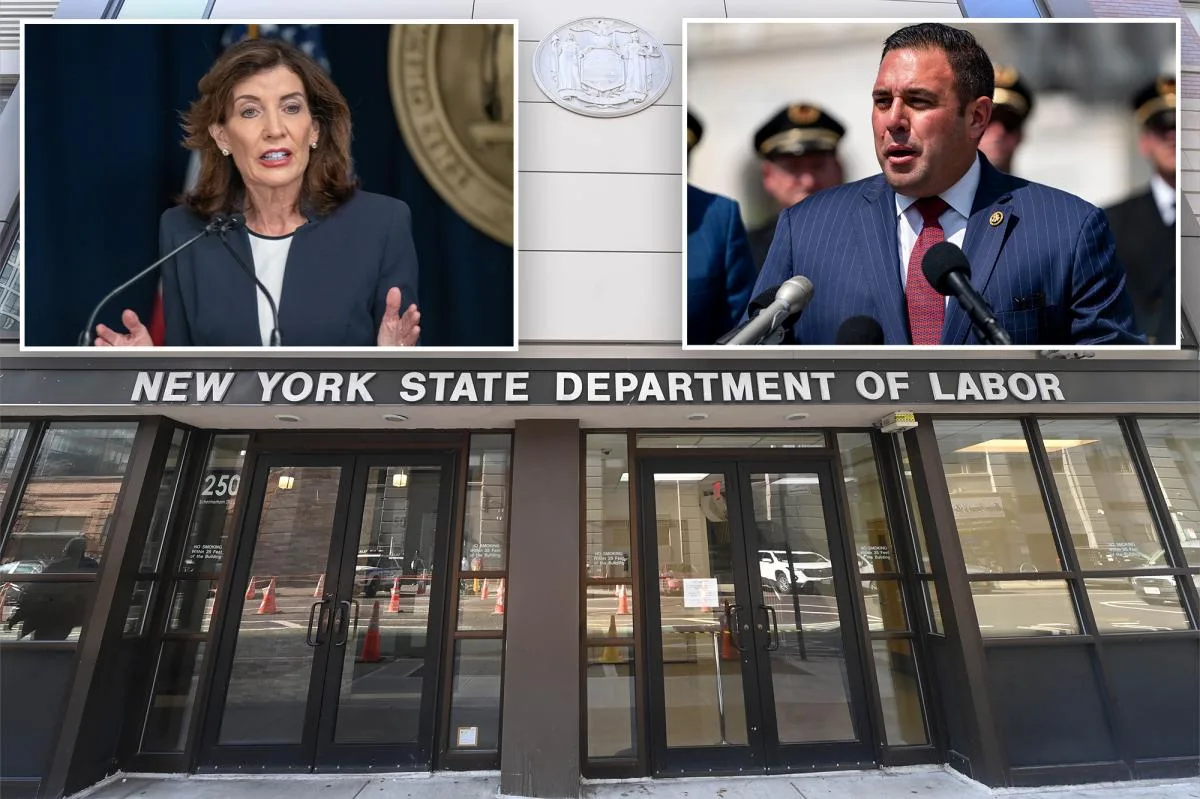
The U.S. Department of Labor has dispatched a federal strike team to New York to combat widespread unemployment benefit fraud that reportedly drains nearly $2 million daily from taxpayer funds.
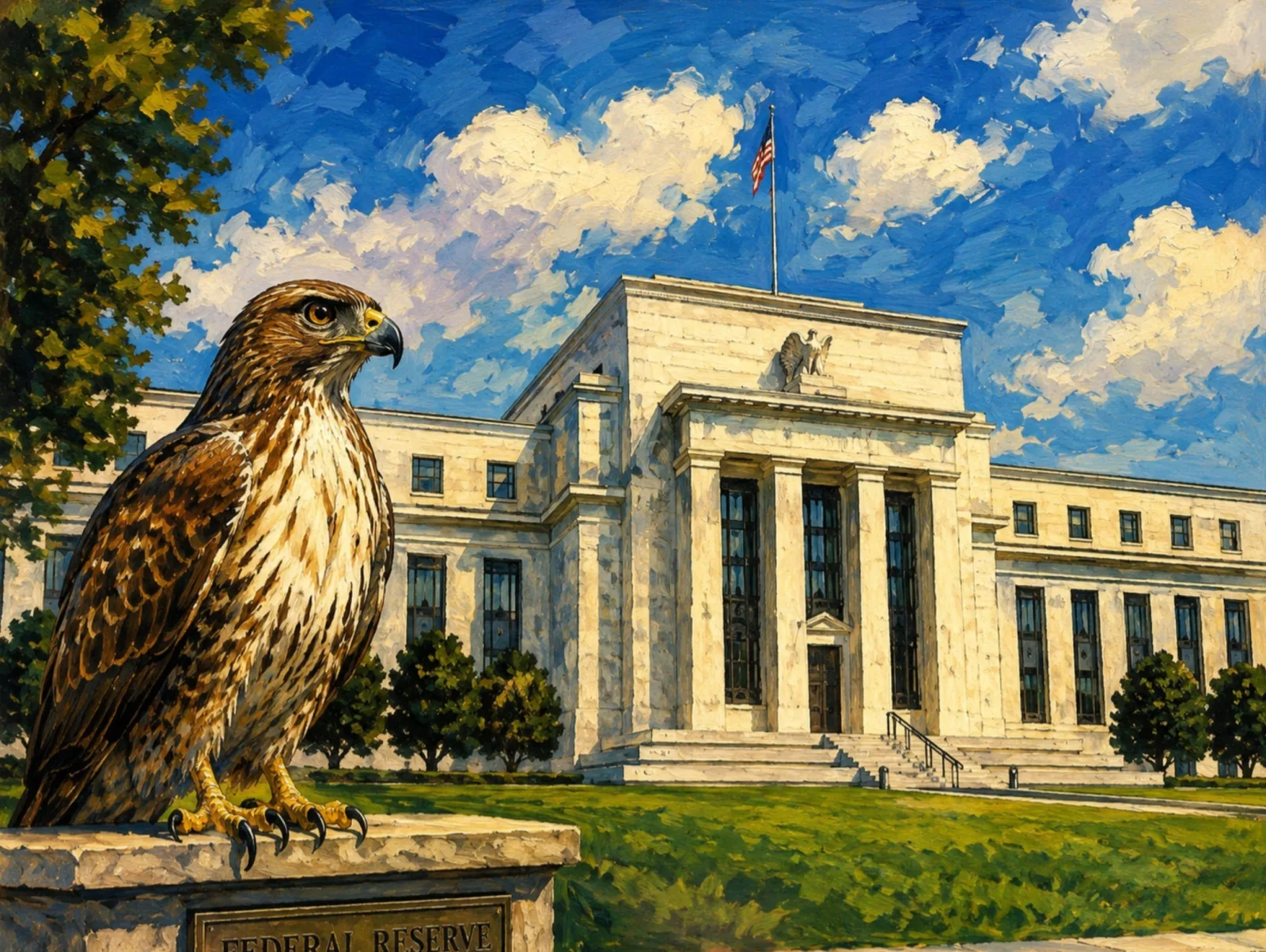
Federal Reserve’s Waller cautions that now is not the right moment for forward guidance, highlighting evolving job markets and potential AI-driven shifts in financial conditions.
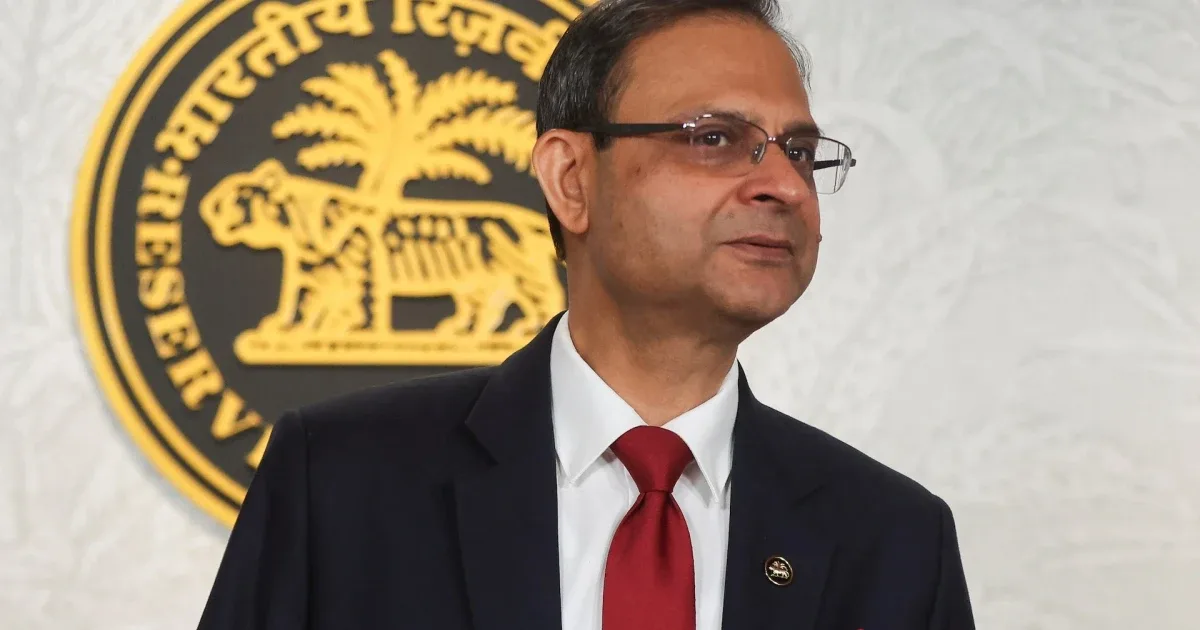
Inflation in India rose above the Reserve Bank’s target for the first time in over a year, driven by higher food and fuel costs amid uneven rainfall and global energy pressures.

Federal Reserve Governor Christopher Waller signaled that persistent inflation could prompt interest rate increases, emphasizing careful monitoring of upcoming economic data.
India’s annual inflation rate climbed to 4.38% in June, exceeding the Reserve Bank’s target for the first time in over a year amid rising food and fuel costs and geopolitical tensions.
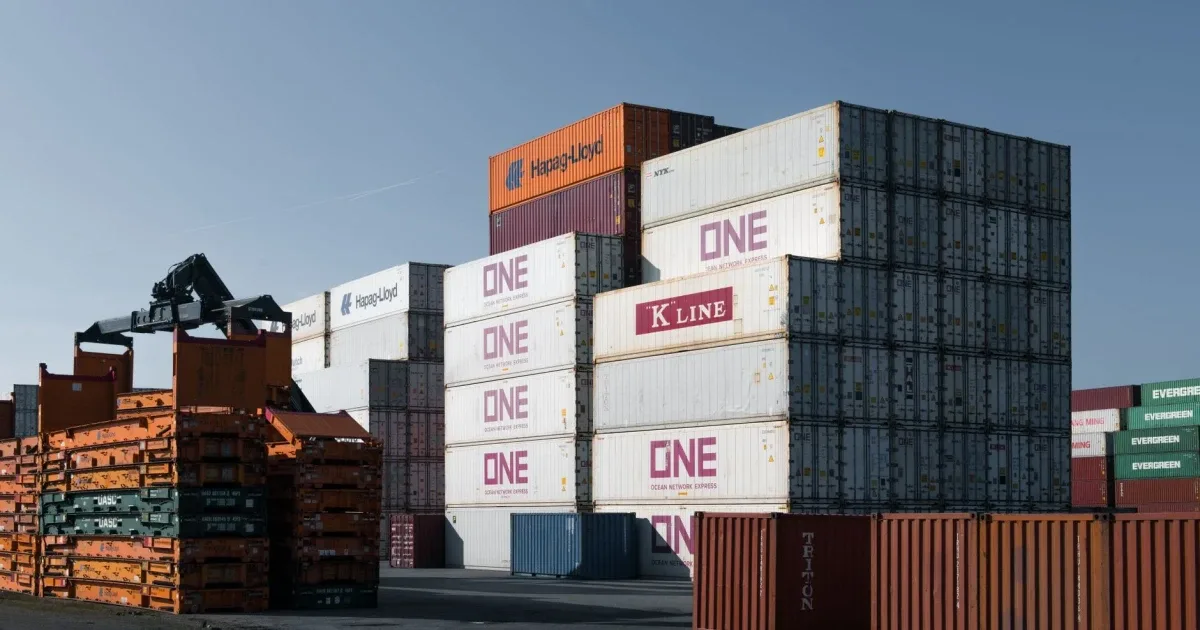
China’s economy likely expanded at a slower pace in the second quarter, with strong exports offset by weak household spending and subdued private investment.