

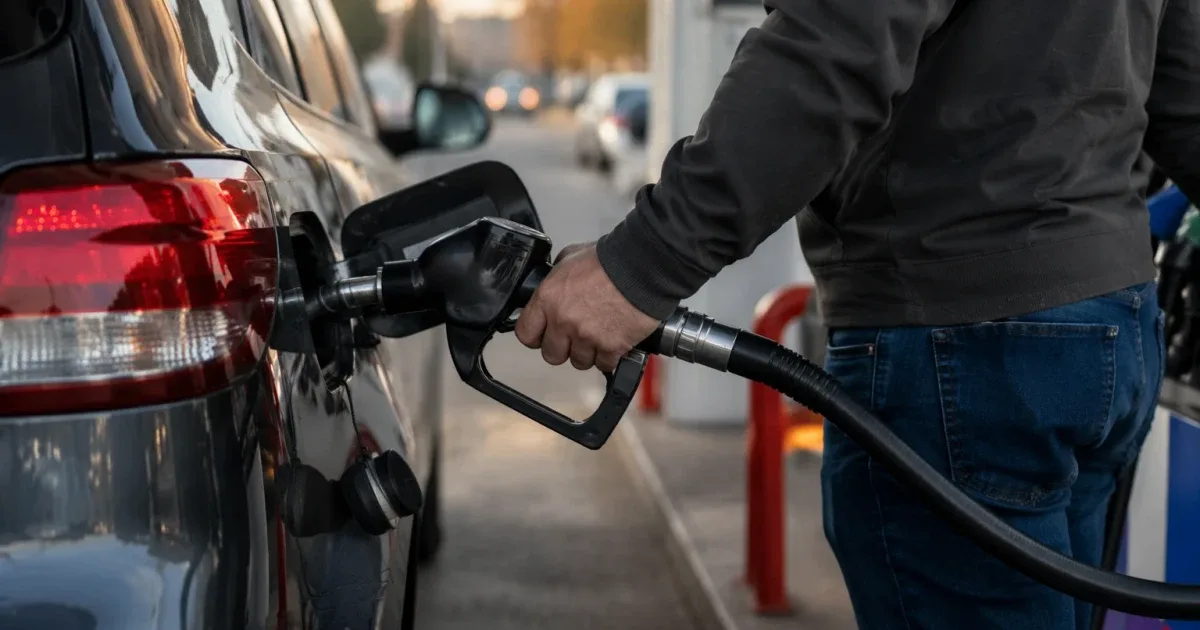
The Consumer Price Index (CPI) fell sharply in June, driven mainly by a significant drop in gasoline prices. The index declined by 0.4% during the month, representing the largest single-month decrease since April 2020, when the CPI had fallen by 0.8%. This downward movement reflects cooling inflation pressures primarily due to lower energy costs, providing some relief after months of rising prices.
On an annual basis, inflation slowed to 3.5%, down from 4.2% in May. The energy sector played a crucial role, with prices in this category falling 5.7% in June. Gasoline prices, in particular, dropped 9.7% compared to May, even though they remained significantly higher than the previous year. Electricity costs also edged down by 1.0%, while utility gas services increased slightly, illustrating uneven changes across household energy bills.

This easing in headline inflation contrasted with the core CPI, which excludes volatile food and energy prices. The core index remained flat in June and rose 2.6% year-over-year, down from 2.9% in May. The shelter component, a large and persistent expense for many households, saw its smallest monthly increase since early 2021, rising just 0.1%. However, food prices and other key household costs remained elevated, keeping inflation a relevant concern for consumers’ day-to-day budgets.
Experts had anticipated a more modest decline in CPI, predicting a 0.2% drop for the month and a 3.8% rise over the year. The stronger-than-expected decrease suggests that the surge in energy prices earlier this year is beginning to subside. Still, costs related to services and housing continue to exert inflationary pressures, complicating Federal Reserve efforts to fully contain inflation through the rest of the year.