

The United States intensified its confrontation with Iran by conducting targeted strikes early Tuesday near key Iranian ports and military sites along the Strait of Hormuz. This followed President Donald Trump’s declaration of reinstating a blockade on the strategic waterway, a move signaling a sharp escalation in control over a channel essential for global oil shipments.
The US Central Command reported attacks on Iranian coastal defense systems, missile and drone bases, along with maritime installations near Abu Musa, Bandar Abbas, Bushehr, Chahbahar, Jask, and Konarak. These operations aim to reduce Iran’s capacity to threaten commercial shipping and innocent civilians transiting the strait, according to military officials.

In response, Iran launched a series of reprisal assaults targeting Bahrain, Jordan, and two tankers linked to the United Arab Emirates navigating the strait. These actions resulted in one mariner’s death and injuries to eight others, escalating the risk of wider regional conflict as the UAE warned of possible countermeasures against Tehran.
The Strait of Hormuz remains one of the world's most critical chokepoints for energy exports, historically channeling about a fifth of traded crude oil and natural gas during peacetime. Following the recent upheaval, benchmark Brent crude prices reached a one-month peak exceeding $84 per barrel, reflecting market concerns over supply disruptions despite being below highs near $120 earlier in the conflict.
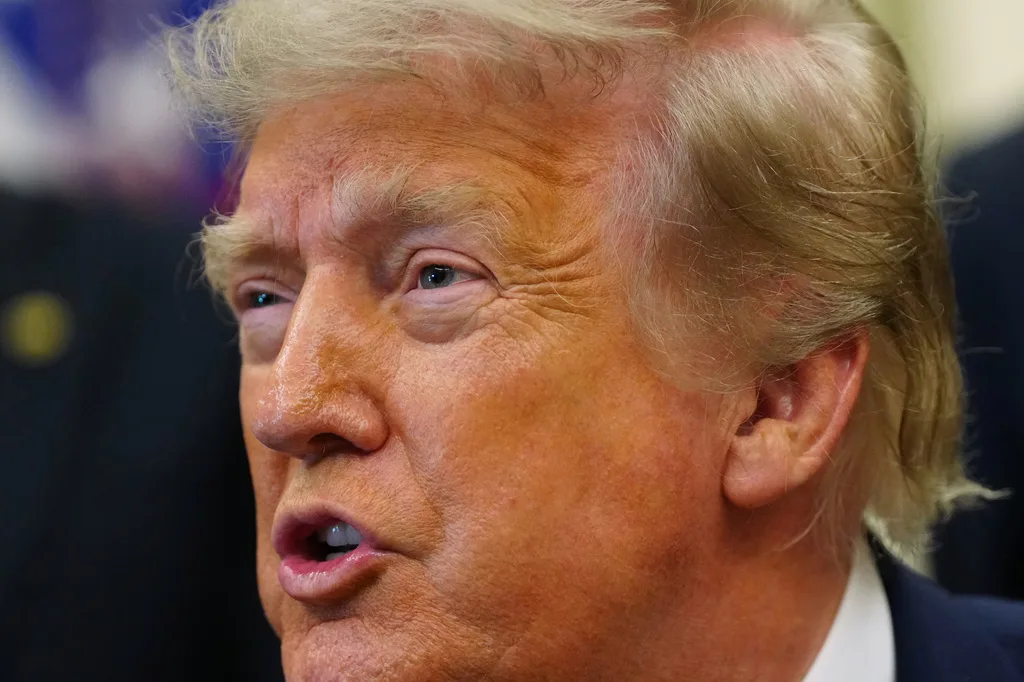
President Trump, speaking from the White House, emphasized the US commitment to controlling maritime traffic through the strait, describing the blockade’s reinstatement as essential to neutralizing Iran’s offensive reach. He further disclosed plans to impose fees on vessels for safe passage—an unprecedented departure from long-standing US policy upholding freedom of navigation without tolls.
Despite Iran acknowledging the US strikes near its coastal areas, Tehran has withheld casualty and damage figures, signaling ongoing tension without revealing the full scope of the impact. Meanwhile, the US maintains that further military actions will impose significant costs on Iranian forces to prevent additional attacks on civilian and commercial targets.
The escalating confrontation between the US and Iran in the Persian Gulf risks entangling Gulf Cooperation Council members and heightening instability across the wider Middle East economy and security landscape.