

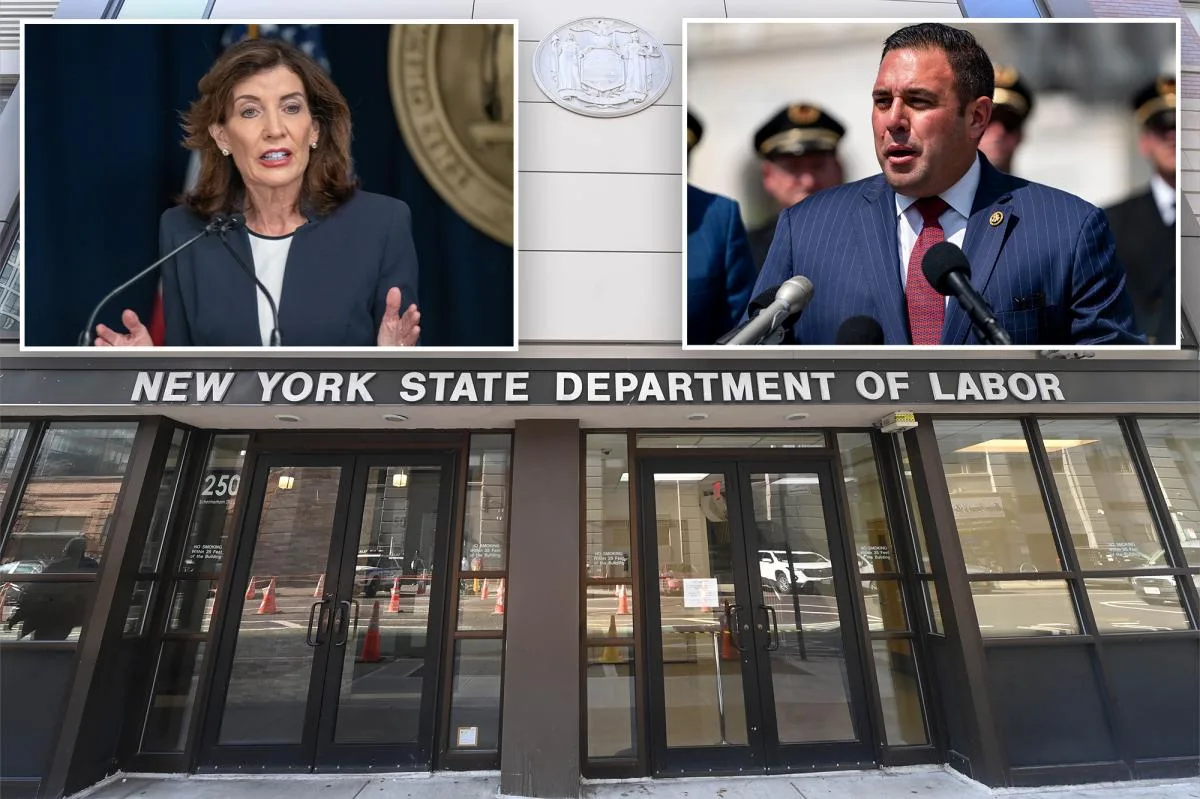
The Department of Labor has launched a focused federal strike team to confront what officials describe as massive fraud siphoning billions from New York’s unemployment insurance program. Investigations reveal that fraudulent claims are diverting close to $2 million every day, severely impacting the integrity of pandemic-era unemployment benefits.
New York stands out for its alarmingly high rates of unemployment benefit abuse, with nearly a quarter of payments flagged as improper and a significant portion identified as outright fraud. Despite the volume of fraudulent disbursements—exceeding $500 million—the state has recovered only a fraction of these funds.

The strike team operates under the Department of Labor’s Office of Inspector General in coordination with a broader federal Fraud Task Force aimed at reclaiming stolen funds and holding perpetrators accountable. Officials emphasize that this crackdown is part of a “tough-on-crime” approach designed to protect taxpayers who finance the unemployment safety net.
Alongside federal efforts, bipartisan Congressional investigators have intensified scrutiny not only on New York but also on similar fraudulent activities in states such as California and Massachusetts. Congressional letters have urged New York’s leadership to take firmer steps against fraud, while the state Department of Labor maintains it has enacted several reforms since the pandemic to strengthen oversight and combat abuse.
Among the more notable cases exposing the system’s vulnerabilities was a former congressman who managed to claim unemployment benefits despite active employment, highlighting gaps in verification processes. This case has become emblematic of larger systemic challenges that the new task force seeks to resolve.
Officials detail that the strike team’s mandate includes identifying fraudulent schemes, coordinating with state authorities to recover funds, and pursuing legal action against offenders to reduce the ongoing drain on public resources. The Department of Labor has communicated directly with New York’s governor and other state officials, demanding increased transparency and concrete action.