

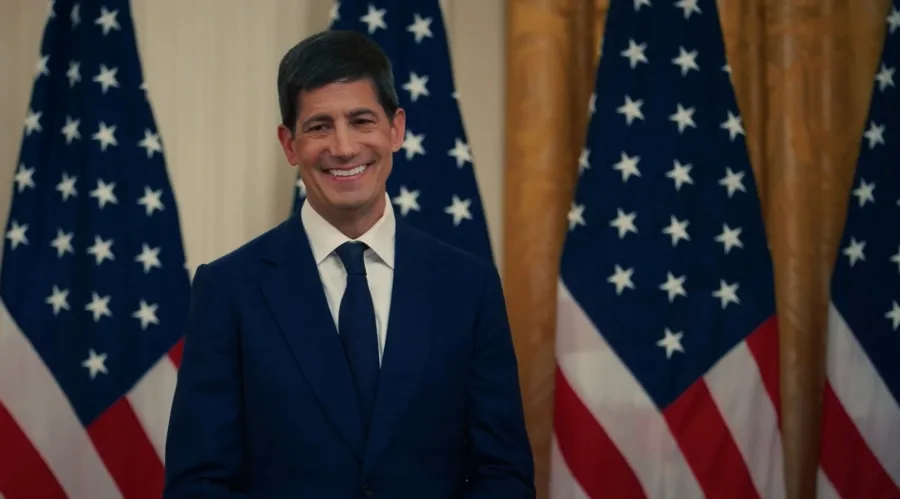
Kevin Warsh, newly appointed Chair of the Federal Reserve, has opened his term with a cautious but firm approach on interest rates, maintaining them steady while hinting at possible hikes later this year. His signal to tighten monetary policy reflects growing concerns over inflation, which remains significantly above the Fed’s target. This stance places Warsh at the center of a delicate balancing act between economic realities and political pressures.
Warsh’s reputation as a monetary hawk precedes him, contrasting sharply with his predecessor’s more accommodative policies that drew public criticism from former President Donald Trump for not cutting rates swiftly enough. Unlike Jerome Powell, who expanded the Fed’s balance sheet through quantitative easing (QE), Warsh advocates for reducing it, believing that continued asset purchases contribute to inflationary risks. This policy shift indicates a more restrained Federal Reserve, focused on curbing price rises rather than stimulating growth.

The political environment adds complexity to Warsh’s role. Trump has expressed conflicting views, publicly supporting the Fed’s independence while simultaneously urging for lower interest rates to boost the economy. Senior administration officials, such as the White House trade advisor, acknowledge the necessity of sustained interest rates given inflation pressures. However, the President's mixed messages create a challenging context for Warsh as he seeks to assert central bank autonomy and manage market expectations.
Market participants remain watchful of Warsh’s next moves, recognizing that his ability to resist political interference will shape confidence in the Fed’s direction. Economists debate the merits of shrinking the balance sheet at this juncture, but Warsh’s earlier warnings about unchecked inflation have garnered cautious acceptance. His first Federal Open Market Committee (FOMC) meeting underscored a wait-and-see posture, signaling flexibility but not abandoning a hawkish outlook.
Beyond monetary policy, evolving geopolitical risks are influencing investment strategies, introducing an additional layer of uncertainty in financial markets. Meanwhile, in the private sector, SpaceX’s lofty valuation is raising questions about sustaining growth projections essential to justify its market value, highlighting that both public and private financial decisions are under intense scrutiny amid shifting global dynamics.