

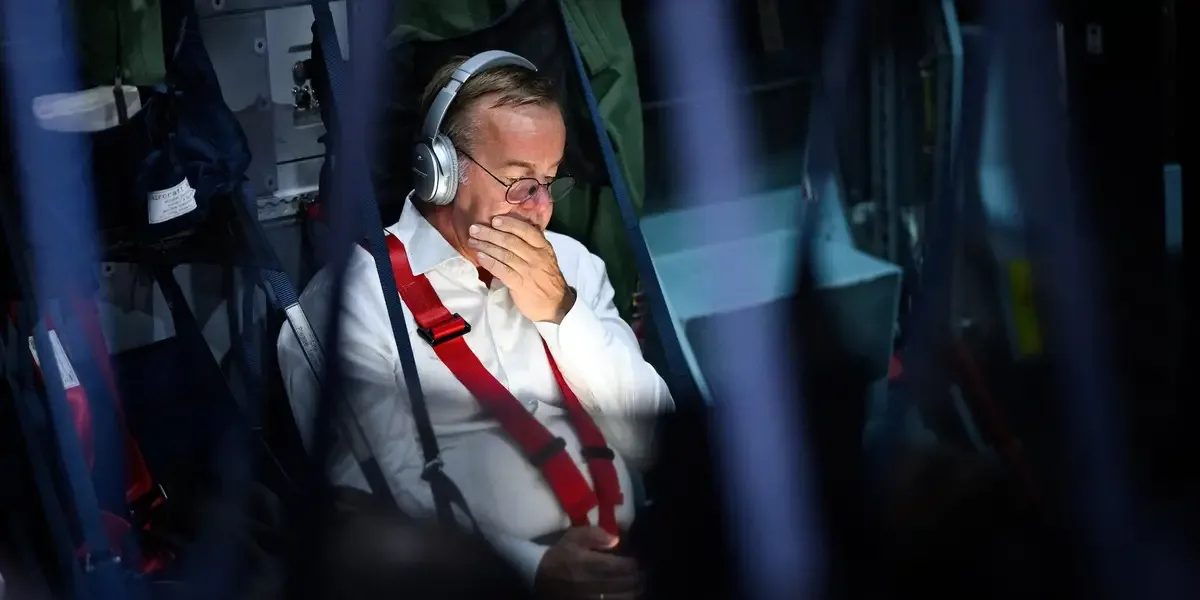
As the United States reduces its military footprint in Europe, Berlin is stepping up to address the emerging security vacuum. Germany’s defense minister, Boris Pistorius, has confirmed that the country will take on some of the responsibilities tied to US assets being withdrawn. He emphasized the need for an “orderly transition” to prevent capability shortfalls that could jeopardize European defense.
European NATO members are engaged in ongoing discussions about the pace and scope of shifting defense obligations to the continent, especially ahead of a NATO summit in Ankara. While many nations are increasing defense budgets and expanding their military forces, European powers admit that replacing key American capabilities overnight is impossible. The central concern remains how Europe would respond in the event of a major security crisis before it achieves adequate autonomy.

This uncertainty was at the heart of a public wargame conducted earlier this year, which simulated a Russian assault on Lithuania. Organized by German media outlet WELT in cooperation with the German Wargaming Center at Helmut Schmidt University, the exercise placed Germany in a test of its crisis management, politico-military decision-making, and leadership role expected of it within NATO’s eastern flank defense.
Germany, as Europe’s largest economy and NATO’s logistical hub for eastern reinforcements, would bear significant responsibility in such scenarios. The wargame’s outcome saw Russia achieving its military objectives swiftly, while Germany remained hesitant to shift its strategic posture, highlighting its main struggle: the speed and decisiveness of political choices during urgent crises.
The simulation also explored the evolving role of the United States. The scenario imagined a US administration reluctant to escalate its involvement in another European conflict post-Ukraine ceasefire. The US representative, played by a former diplomat, initially rejected activating NATO’s collective defense clause despite Russian aggression, underlining how American engagement might be uncertain or delayed in future confrontations.
This portrayal echoes real-world concerns as Washington reviews its military presence and stance in Europe. The timing and extent of American support in emerging crises remain key variables shaping European defense planning. Germany’s commitment to compensate for the US drawdown comes amid calls for deeper coordination and accelerated capability development to avoid dangerous gaps in Europe’s security architecture.