

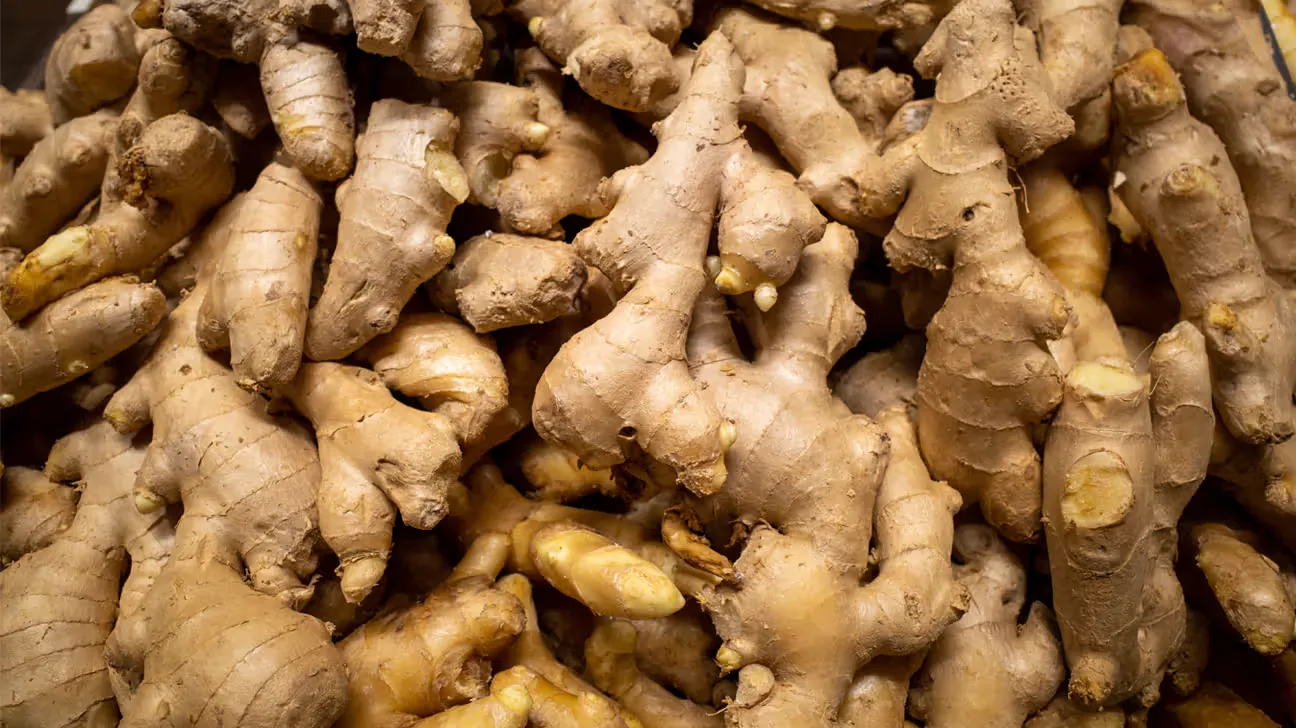
Ghana’s June 2026 inflation data revealed a stark divide in food prices, with some items surging dramatically while others declined, reflecting shifting market dynamics. Among the steepest increases, ginger led with a striking year-on-year growth surpassing 100%, followed closely by shrimps and mangoes, underscoring intense inflationary pressure on these popular products.
The Ghana Statistical Service highlighted ginger’s 102.5% price rise as the largest among the top inflation drivers. Shrimps increased by 90.8%, mangoes by 87.2%, and bananas rose nearly 48%. Other products with considerable price growth included avocado pear, fresh coconut, palm fruits, rake, cashew, and dried fish (Koobi), all registering above 20% inflation.

Conversely, several staple foods and common vegetables recorded noteworthy price declines. Kontomire (also known as Afefu) dropped by 38%, garden eggs by 33.1%, maize by 32.1%, millet by 23%, and pawpaw by 22.4%. Beans, guinea corn (sorghum), lime, foreign apples, and firewood also showed decreasing price trends, signaling some relief in household food expenses.
The report pointed to transport costs as the largest contributor to overall inflation for the month, with bus and trotro fares pushing prices up by 10.5%, followed by rent payments (8.4%) and secondary school fees (7.2%). Food items continued to weigh heavily, including not only the inflation leaders like ginger and river fish but also cooked rice, fresh tomatoes, yams, hotel stays, and green plantains.
This mixed inflation scenario reflects a complex consumer environment where falling prices for some staples may offer temporary respite, but rising costs in transport, housing, education, and key food commodities maintain the pressure on household budgets.