

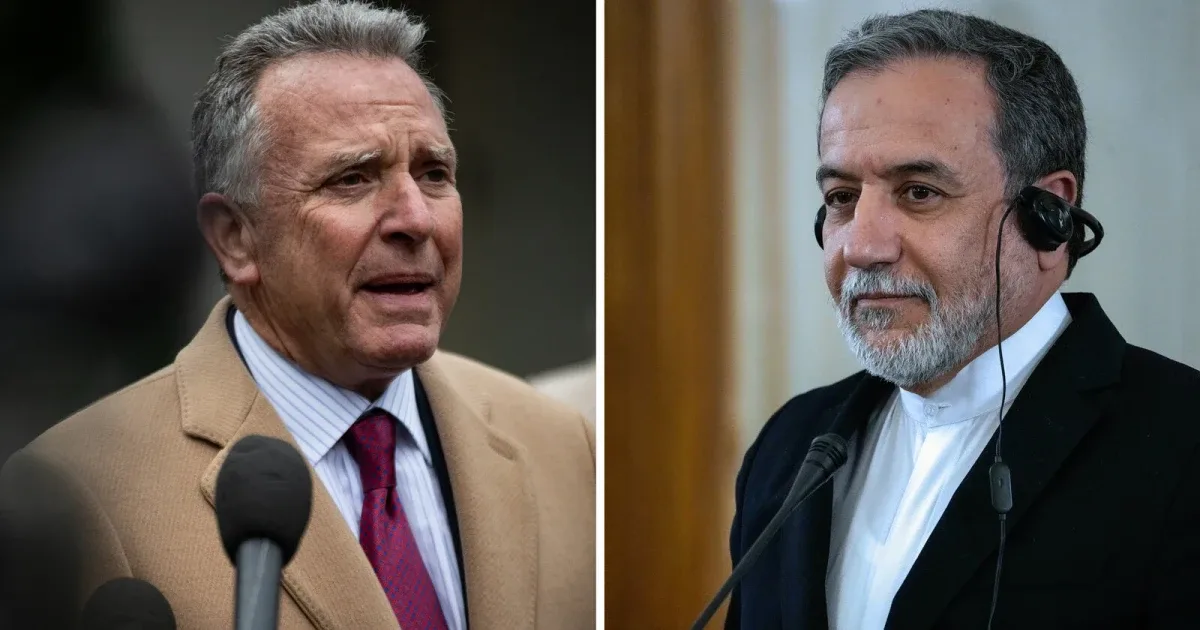
The United States has announced it has fulfilled its central objective in its dealings with Iran, focusing mainly on preventing the country from acquiring nuclear weapons. This declaration came as indirect talks between U.S. and Iranian officials resumed in Doha, facilitated by Qatari and Pakistani intermediaries rather than through direct meetings.
Despite this assertion of completing its “core mission,” the ongoing negotiations seek to tackle a wider range of concerns. These include reinstating robust nuclear monitoring, managing sanctions relief, securing the strategic Strait of Hormuz, and addressing broader regional stability. The diplomats involved are pursuing a roadmap aimed at reaching a comprehensive agreement within the next two months.

Unlike previous direct encounters, this round features no face-to-face discussions between American and Iranian delegates. Key U.S. figures, including Steve Witkoff and Jared Kushner, engaged with Qatari officials but did not meet their Iranian counterparts. Qatar’s prime minister, Sheikh Mohammed bin Abdulrahman bin Jassim al-Thani, plays a critical role in maintaining communication channels.
The talks build on earlier sessions under the Islamabad Memorandum of Understanding, including meetings in Switzerland described by mediators as showing “encouraging progress.” However, major challenges remain, particularly regarding Iran’s willingness to allow International Atomic Energy Agency inspectors full access. Official Iranian denials of new commitments have highlighted persistent gaps between hopeful signals and verifiable concessions.
Ultimately, the success of these negotiations will rest on establishing credible nuclear verification mechanisms, agreeing on sanctions relief terms, and ensuring that the Strait of Hormuz remains open and free from disruption. The current indirect format reflects caution amid lingering mistrust but also underscores the diplomatic effort to prevent escalation while moving toward a stable, enforceable agreement.