

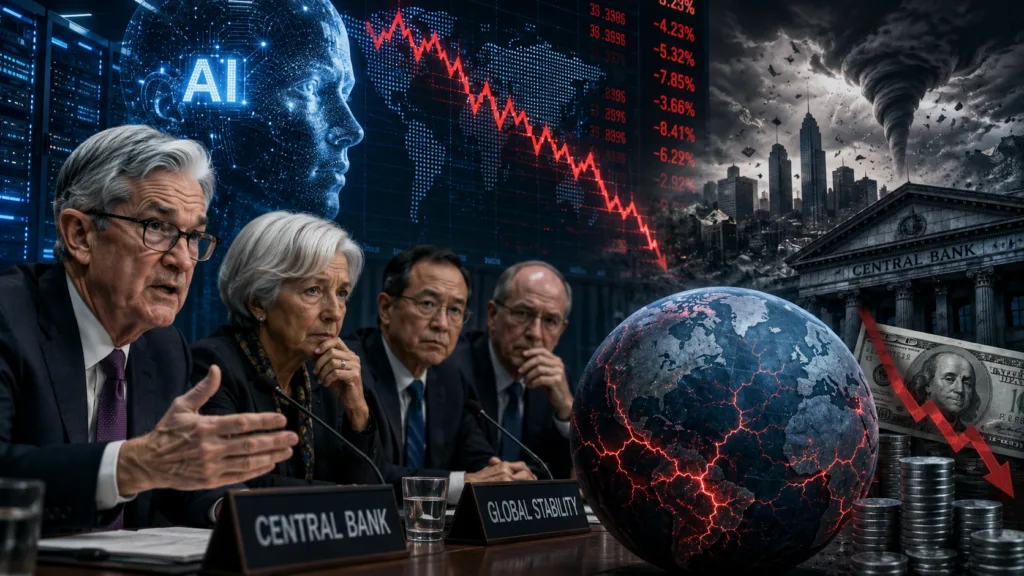
The Bank for International Settlements (BIS), often called the central bank for central banks, has issued a cautionary report on the rapid expansion of artificial intelligence infrastructure funded largely through debt. The surge in spending on AI data centers by major technology companies, known as hyperscalers, carries risks reminiscent of the 2008 financial crisis, the BIS warned.
Central bankers pointed to a significant shift in financing this growth: rather than relying on internal cash flows, many firms have increasingly turned to borrowing, including through complex and opaque off-balance-sheet arrangements with private credit providers. This hidden leverage obscures the true scale of risk in the technology sector’s capital investments.

The BIS emphasized that a sudden slowdown or reversal in these investments could have far-reaching economic consequences. If hyperscalers reduce their capital expenditure, many companies throughout the AI supply chain might struggle to generate revenue and meet debt obligations, potentially triggering ripple effects across financial markets and institutions. Analysts highlight a competitive spending race among firms seeking market dominance as a key driver of excessive investment, which could leave the sector vulnerable to a sharp correction.
The report warns that this pattern mirrors historic investment bubbles where initial enthusiasm fuels overleveraging, only to be followed by abrupt downturns. The use of off-balance-sheet financing arrangements further complicates the situation, increasing the likelihood that financial fragility remains hidden until disruptions occur. As projected AI sector spending reaches into the trillions, BIS calls for heightened vigilance to avoid systemic shocks to the global financial system.