

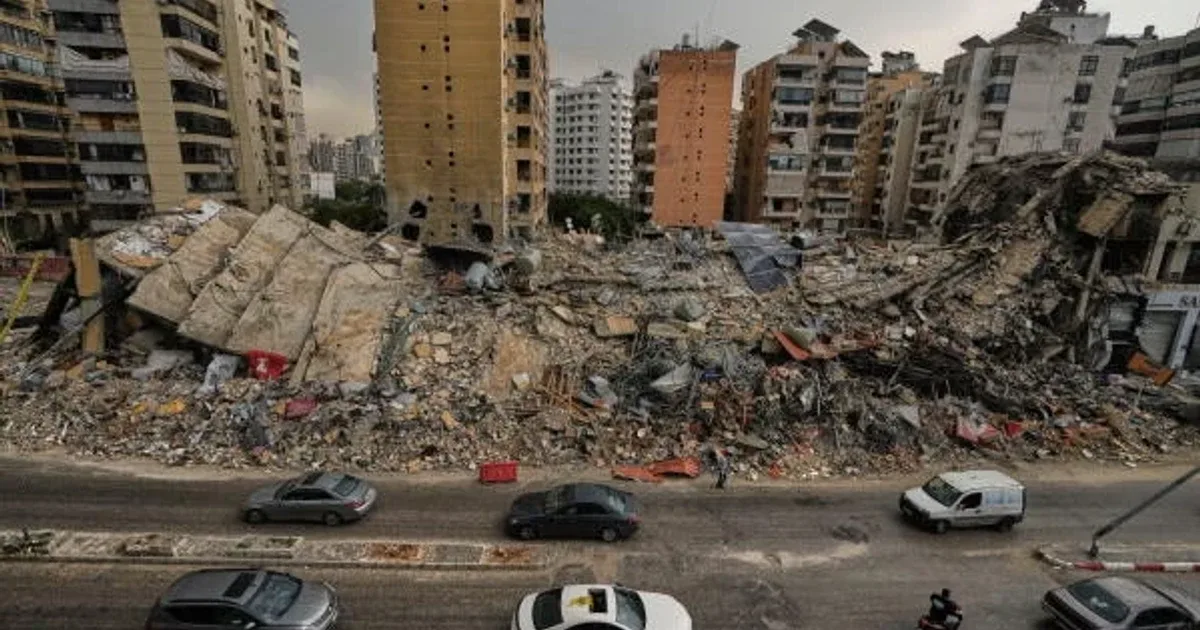
The southern Beirut suburb of Dahiyeh is witnessing a slow and cautious return of its residents following the ceasefire between Israel and Hezbollah that took effect in mid-June. Despite the fragile truce, sustained unease remains as Israeli forces continue to maintain defensive positions without fully withdrawing from southern Lebanon.
Once a stronghold of Hezbollah’s social and political influence, Dahiyeh has endured repeated military confrontations, including significant damage during the 2006 Lebanon War and recent strikes earlier this year. The community’s return is shaped less by optimism and more by necessity, with residents displaced by months of conflict facing job losses and damaged homes.

Israeli warnings prompted multiple evacuations throughout the year, beginning with orders in early March and intensifying in June when airstrikes killed civilians and caused injuries. These attacks compounded the hardship for local families, many of whom fled suddenly amid escalating violence.
Damage assessments by Lebanon’s National Council for Scientific Research and the United Nations Development Programme estimated that destruction across South Lebanon amounted to approximately $1.38 billion. More than 11,000 buildings were completely destroyed with nearly 18,000 housing units affected. The debris left behind was estimated to range between 649,000 and 3.1 million cubic meters depending on rapid assessment measures.
The United Nations High Commissioner for Refugees reported that clashes since early March forced residents from over 50 villages and densely populated areas to evacuate within minutes. Other UN-backed sources indicated that upwards of 90,000 dwellings throughout Lebanon sustained damage or were destroyed during the period from early March to mid-June.
Despite these staggering figures and the ongoing military tension, life in Dahiyeh is gradually resuming as residents rebuild amidst uncertainty. The suburb’s proximity to the main route leading to Beirut’s international airport underscores its strategic significance, while its enduring role as a Hezbollah stronghold continues to influence the security dynamics in the broader region.