

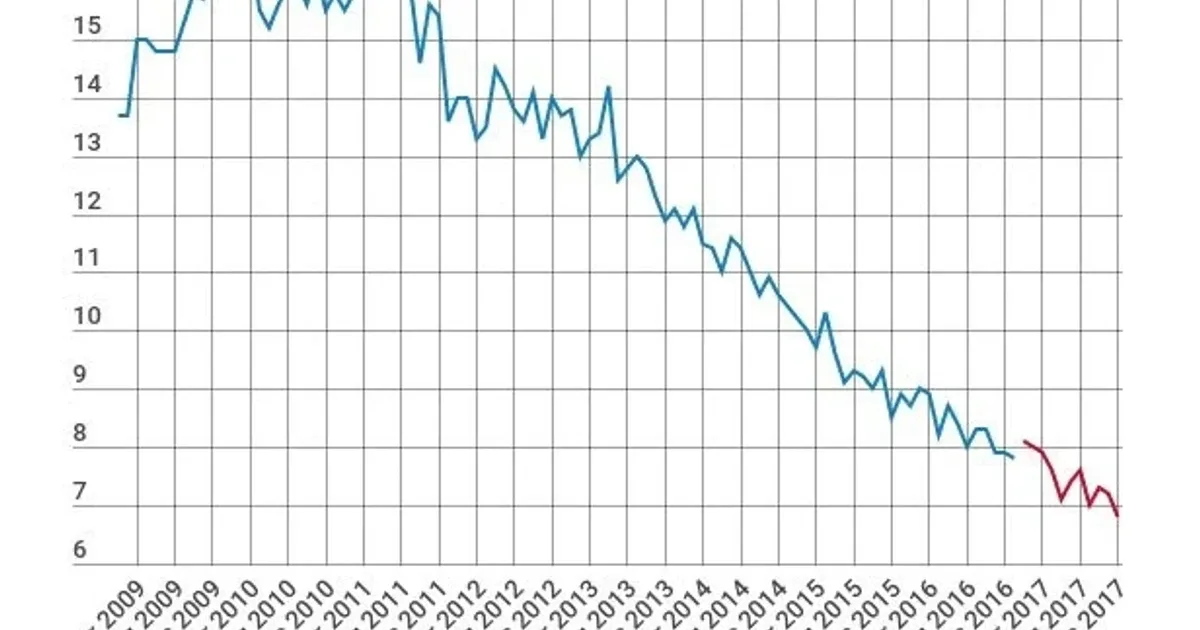
The latest labor data reveals a troubling divergence in employment outcomes for Black workers compared to the overall workforce. Although the national unemployment rate held steady at 4.3 percent with gains in total payroll employment, the unemployment gap between Black and White Americans continues to widen, undermining promises of steady middle-class growth for Black communities.
This disparity is particularly pronounced for Black women, who are disproportionately employed in sectors like public service, care work, and nonprofits—fields now strained by budget cuts and the rollback of diversity, equity, and inclusion (DEI) initiatives. These developments have fueled what some organizations describe as a "Black recession," with increases in job losses that outpace the general labor market trends.

Longstanding structural and policy factors contribute to the deepening divide. Research from the Urban Institute and Pew Research Center highlights a shrinking middle class nationwide and persistent racial wealth gaps that limit economic mobility for Black families, even among those with higher education and stable credentials. As a result, a headline unemployment figure that appears stable masks ongoing economic vulnerability within Black communities, where gaining and maintaining stable employment proves increasingly difficult.