

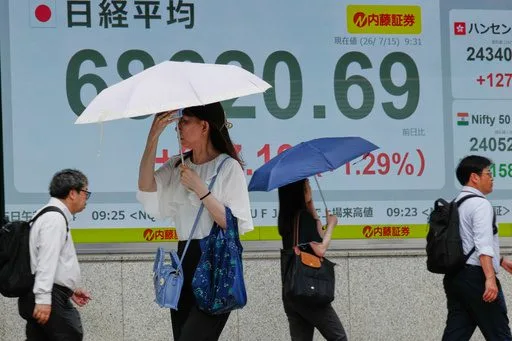
The global stock markets suffered notable setbacks as investors moved away from high-flying artificial intelligence stocks, while oil prices surged driven by geopolitical concerns surrounding Iran. The S&P 500 dropped 1%, marking its first losing week in several weeks and underscoring growing caution among traders over the sustainability of the AI boom.
Tech stocks, particularly those tied to AI hardware and chip production, bore the brunt of the selling pressure. Nvidia declined 2.2%, briefly losing its position as the most valuable publicly traded company to Apple before recovering. Other semiconductor firms like Applied Materials dropped sharply, losing over 5%, trimming their impressive year-to-date gains. Worldwide, the technology sector struggled, with sharp declines in major Asian markets including Taipei, Tokyo, and Shanghai where chipmakers like Taiwan Semiconductor Manufacturing fell over 7%.

The volatility in Korean equity markets highlighted the wider global impact of AI sector uncertainty. The Kospi index experienced dramatic daily swings, reflecting unease over the performance of tech giants Samsung Electronics and SK Hynix. Meanwhile, the emergence of new AI competitors from China intensified concerns. The announcement of the Kimi K3 AI model by startup Moonshot rekindled fears that lower-cost Chinese alternatives could disrupt demand for high-end AI chips, echoing market reactions seen after the introduction of DeepSeek’s model in 2025.
European stock markets showed more muted reactions amid their lower exposure to AI-related equities. However, disappointing earnings fueled additional downward pressure on Wall Street. Netflix shares plunged after the company reported revenue that fell short of expectations and projected weaker summer results despite surpassing profit estimates. Robotic surgical system manufacturer Intuitive Surgical also retreated significantly despite beating earnings forecasts, as concerns mounted over slower procedure growth following the expiration of tax credits.
At the same time, rising oil prices added another layer of complexity to the market environment. The conflict involving Iran has pushed crude prices higher, impacting energy markets worldwide and contributing to broader market volatility. This dynamic has increased uncertainty for investors navigating the interplay of technological innovation, geopolitical risks, and corporate earnings performance.