

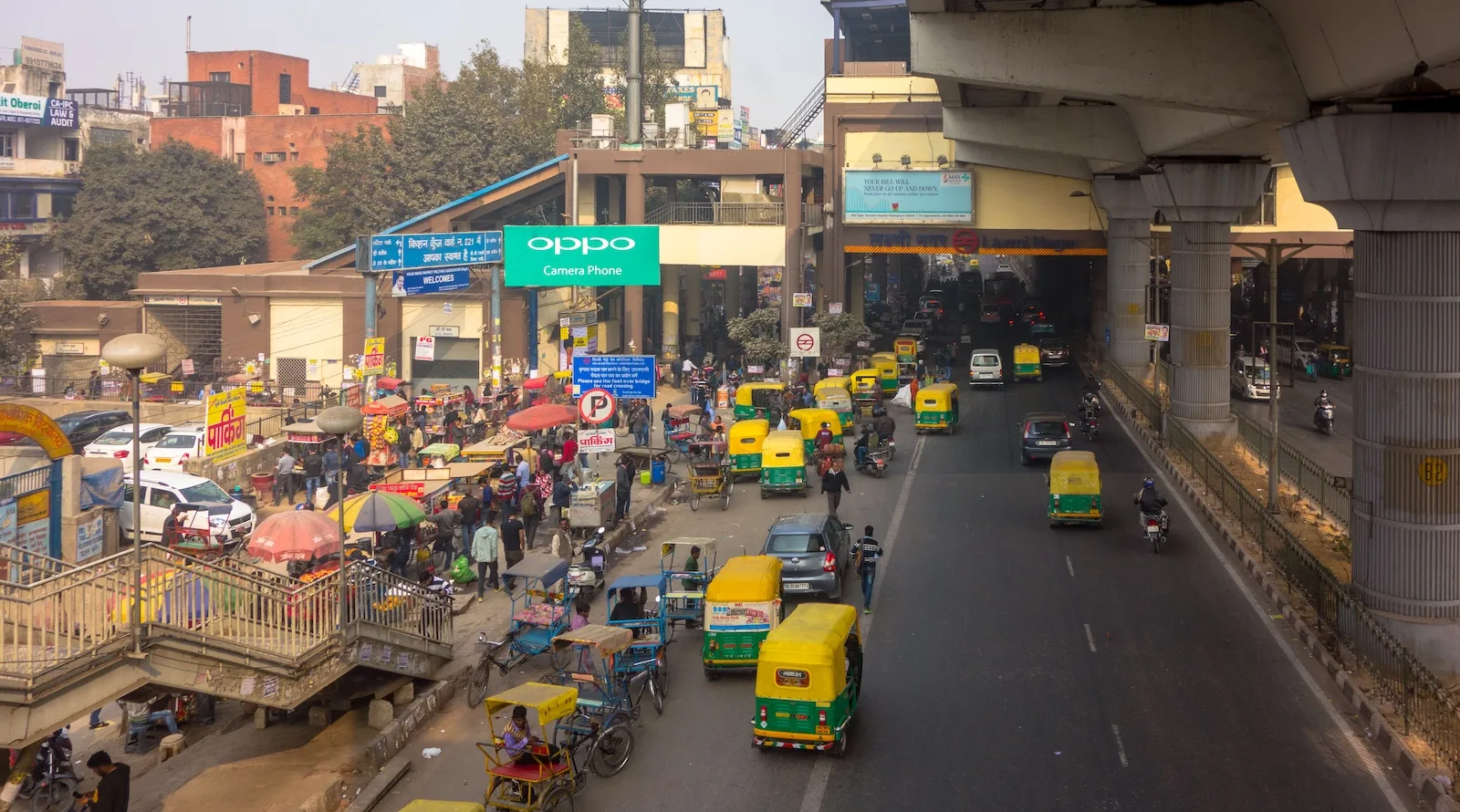
Delhi has introduced a sweeping electric vehicle (EV) policy aimed at drastically cutting the city’s notorious air pollution. The government’s plan includes substantial financial incentives for owners to scrap older petrol vehicles and switch to battery-electric alternatives, marking a direct effort to reduce harmful emissions contributing to the capital’s severe smog, especially during winter months.
The policy, framed within the broader national clean-air agenda, earmarks approximately US$1.75 billion over four years to accelerate vehicle electrification and improve urban air quality. A landmark feature mandates that from 2028 onwards, no new petrol-powered two-wheelers will be registered in Delhi, and all new auto rickshaws will need to be electric. This move addresses the fact that two- and three-wheeled vehicles constitute the majority of Delhi’s traffic and are major sources of particulate pollution.

To complement these regulatory changes, the government plans to roll out more than 30,000 public EV charging stations across the city, tackling one of the key obstacles to electric vehicle adoption: charging accessibility. The incentives include offers exceeding US$1,000 to encourage owners of older vehicles to trade them for cleaner electric models, strategically targeting the reduction of tailpipe emissions that elevate PM2.5 and PM10 pollutant levels during the stagnant air periods in winter.
Delhi’s policy forms part of India’s National Clean Air Programme (NCAP), which the Central Pollution Control Board (CPCB) monitors through the PRANA portal. PRANA tracks pollution across over 130 cities that consistently fail to meet air quality standards, assessing sources including vehicle emissions, industrial activities, and biomass burning. Delhi regularly ranks among the worst in these evaluations, underscoring transportation emissions as a key factor driving hazardous air quality.
This latest policy represents both a public health response and a transition toward sustainable urban mobility, reflecting Delhi’s commitment to align local actions with the national framework. The plan not only aims to reduce pollution but also to improve infrastructure readiness for widespread EV adoption, setting a precedent for other Indian cities grappling with similar environmental challenges.