

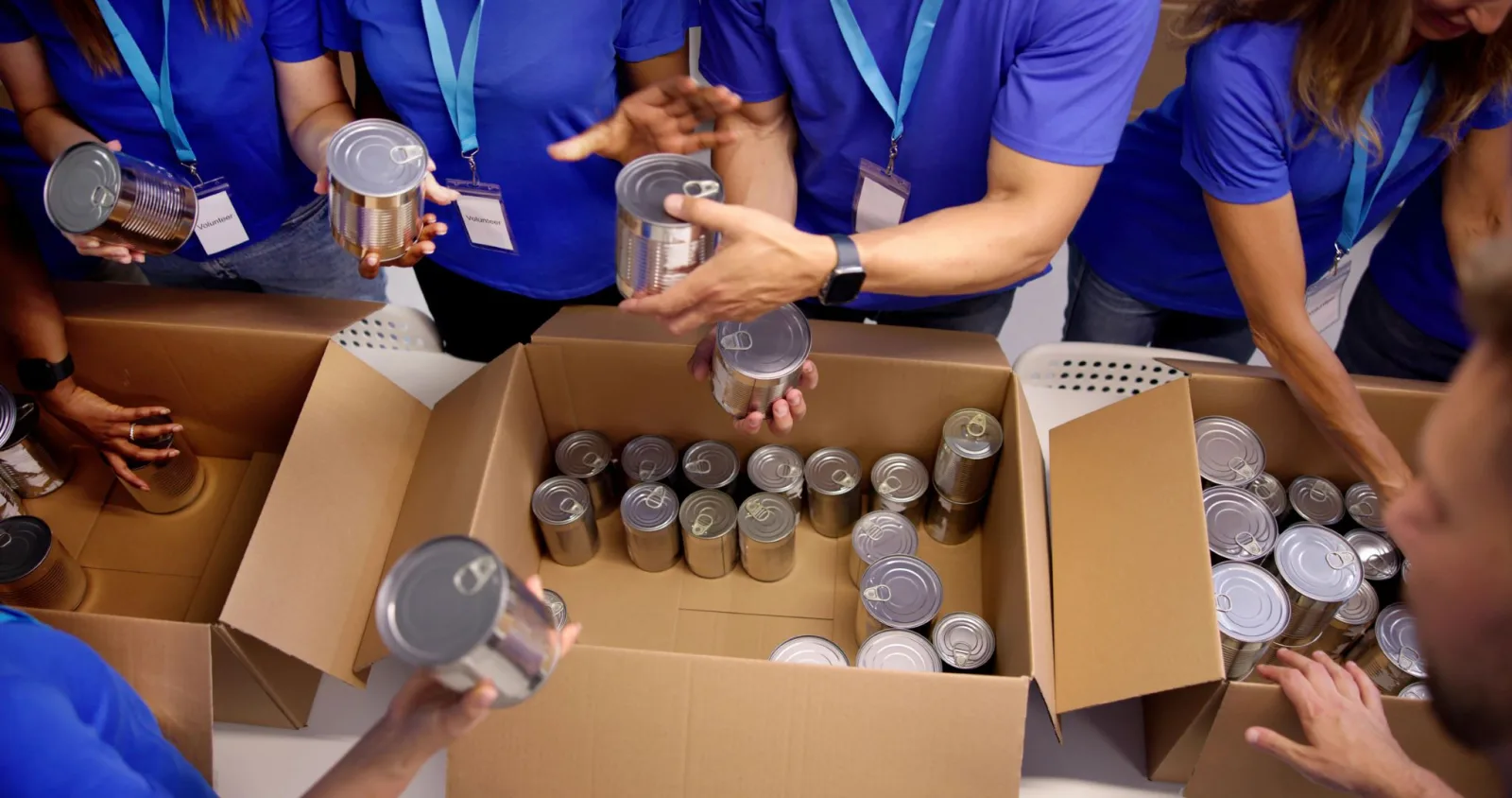
The San Antonio Food Bank is pursuing carbon credit financing as an innovative solution to address growing food insecurity amid soaring grocery prices and declining food assistance. By quantifying the environmental benefits of rescuing surplus food, the organization hopes to secure funding for essential resources such as trucks, drivers, and expanded food recovery operations.
This carbon credit initiative would monetize the reduction in greenhouse gas emissions achieved by diverting food waste from landfills. Landfilled food produces methane, a potent greenhouse gas, so rescuing and redistributing this food not only helps families in need but also contributes to climate change mitigation efforts.

The San Antonio Food Bank’s plan includes investing in additional refrigerated trucks and drivers to increase the volume of recovered food delivered to local families. This approach seeks to offset operational costs and scale up distribution capabilities at a time when demand for food aid has surged while assistance programs have tightened.
Carbon credits function as tradable permits representing a specific amount of greenhouse gas emissions avoided or removed from the atmosphere. Organizations that reduce emissions can sell these credits to businesses or governments needing to meet reduction targets. This emerging market has begun to attract nonprofits aiming to fund sustainability and social programs.
By tapping into carbon markets, the Food Bank aims for a sustainable funding source beyond traditional donations or government grants. This strategy could provide a reliable revenue stream to keep trucks running, hire more staff, and recover even more food that would otherwise go to waste.
As food insecurity worsens in South Texas, where rising prices challenge many families, innovative approaches like carbon credit funding present a promising path to strengthen local food systems. The San Antonio Food Bank’s efforts reflect a growing recognition that environmental and social goals can align through creative financial mechanisms.