

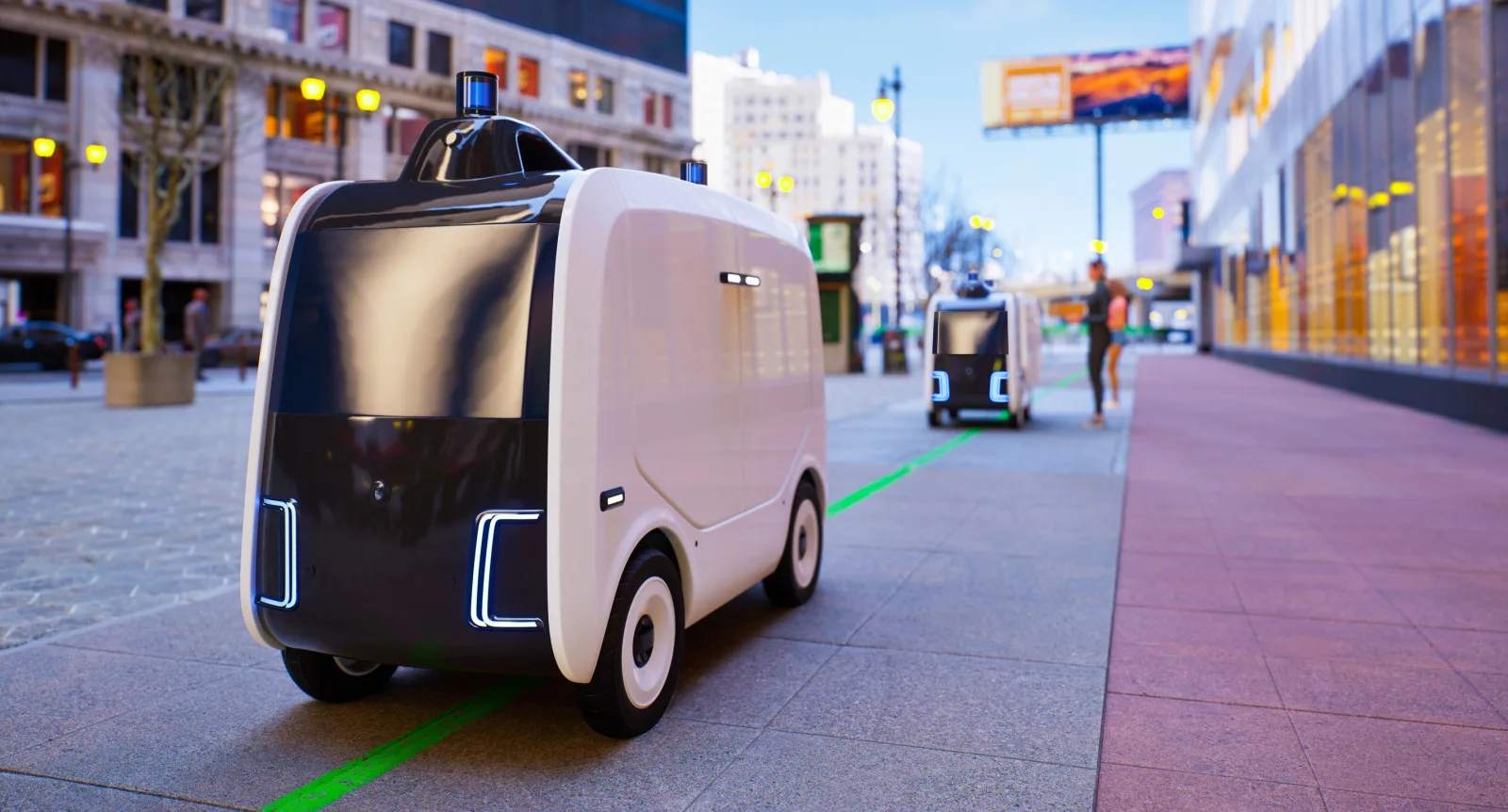
Food delivery robots operating on Chicago sidewalks are at the center of new lawsuits alleging that these machines have been capturing facial images of pedestrians without their permission. The lawsuits claim that this data is being transmitted to artificial intelligence firms, raising concerns about privacy violations and unauthorized surveillance.
While these robots are marketed as convenient tools for transporting food, plaintiffs argue their expanding surveillance capabilities go far beyond their stated purpose. The facial scanning allegedly enables companies to collect biometric information, which can be processed and analyzed by AI systems to identify or track individuals, potentially infringing on privacy rights under existing laws.

The legal complaints highlight the lack of transparency around how these robots operate and what data they collect. They question whether operators have obtained proper consent from those captured on video or provided adequate notice about the surveillance. The cases also draw attention to broader regulatory gaps concerning the increasing deployment of autonomous delivery devices in public spaces.
As concerns grow about the ethics and legality of using facial recognition and biometric data in commercial applications, these lawsuits could prompt stricter oversight of robotic delivery technology. They emphasize the need for clear policies governing data collection, storage, and sharing to protect citizens’ digital privacy in urban environments.