

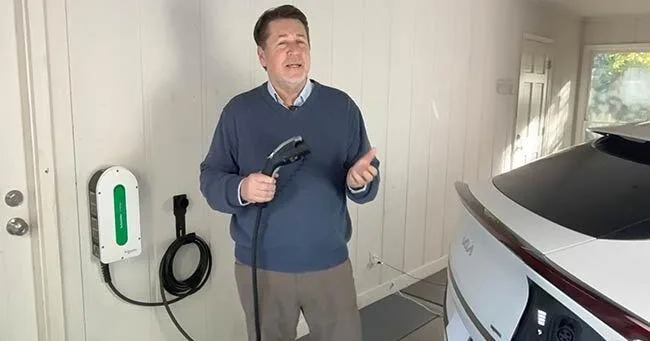
For electric vehicle owners, efficient home charging is essential to ensure readiness while managing electricity costs and preserving battery health. Simple adjustments in how and when you charge your EV can lead to significant benefits, both financially and environmentally.
One important strategy is to schedule charging during off-peak hours when electricity rates are lower. Many utility companies offer time-of-use billing, making nighttime or early morning charging more affordable. Additionally, avoiding charging the battery to a full 100% on a regular basis helps extend its lifespan, as maintaining the charge between 20% and 80% reduces battery stress.

Using a dedicated Level 2 charger instead of a standard home outlet can substantially improve charging speed and efficiency. These chargers provide higher power delivery and better regulate the charging process. Furthermore, regularly monitoring your charging equipment and electrical system ensures that everything operates safely and effectively, which guards against energy waste or potential hazards.
Finally, considering smart charging technology can add convenience and efficiency. Several EV chargers allow remote control via apps, enabling users to set charging times, monitor energy consumption, and receive maintenance alerts. This integration can help users better align their charging habits with electricity pricing and personal schedules.