

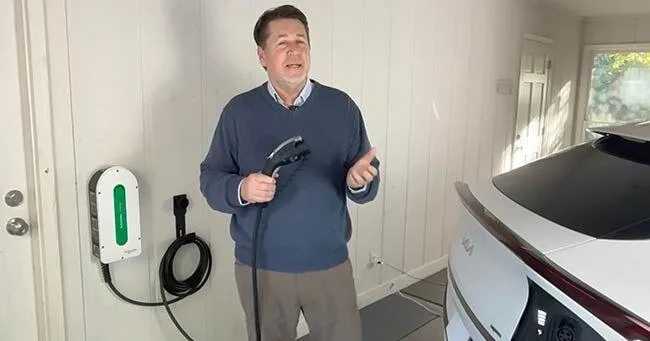
For electric vehicle owners, managing home charging is key to ensuring their car is ready whenever needed while controlling electricity expenses. Implementing efficient charging habits can significantly impact convenience and cost-effectiveness.
One essential strategy involves taking advantage of off-peak electricity hours. Most utility companies offer lower rates during nighttime or early morning, making it beneficial to schedule charging sessions when demand and prices drop. This approach can lower energy bills without compromising vehicle availability.

Additionally, adjusting the charging speed can improve battery longevity. Using a slower charge when possible reduces heat generation and stress on the battery, preserving its performance over time. Although fast charging is useful for urgent needs, habitual slow charging supports long-term battery health.
Homeowners should also consider installing a dedicated EV charging station. Compared to standard outlets, these provide optimized power delivery that can balance charging efficiency and safety. Professional installation ensures compliance with electrical standards and can accommodate features such as timers and load management.
Regularly monitoring electricity consumption through smart meters or dedicated apps helps track charging patterns and identify opportunities to improve efficiency. Such tools can alert users to excessive usage or allow remote control of the charging process, enhancing user convenience.
These simple yet effective measures help EV owners keep their vehicles charged while minimizing costs and supporting sustainable energy use. As electric cars become increasingly common, mastering home charging practices becomes a practical necessity for everyday drivers.