

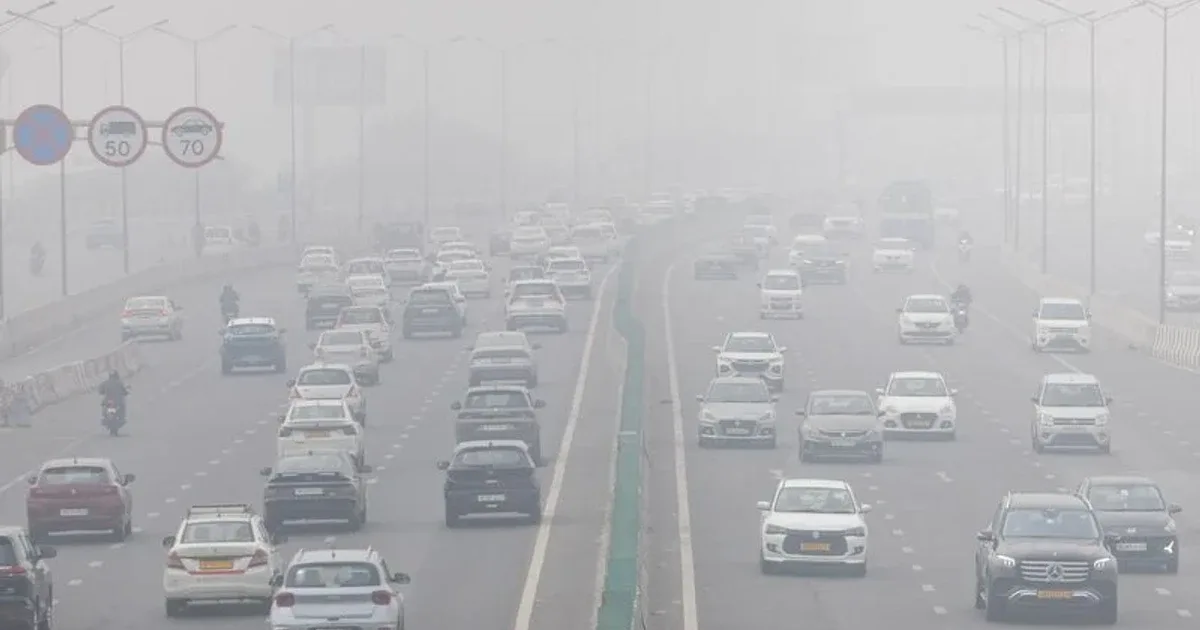
New Delhi has introduced a financial incentive program to encourage drivers to scrap older cars and switch to electric vehicles (EVs). Owners who surrender cars purchased before April 1, 2020, receive a cash bonus of approximately $1,060 when they replace their vehicles with EVs. This initiative is part of a broad four-year plan worth around $1.59 billion, aiming to accelerate the capital’s transition to cleaner transportation.
Alongside the scrap bonus, buyers of battery-electric vehicles priced up to 3 million rupees will enjoy exemptions from road tax and registration fees, which usually increase the vehicle price by 4 to 10 percent. Electric two-wheelers, which constitute a significant share of Delhi’s transport fleet, also qualify for tiered cash subsidies starting at 30,000 rupees in the first year, gradually decreasing to 10,000 rupees by the third year. Notably, hybrid vehicles are excluded from this support.

Vehicular emissions contribute nearly a quarter of Delhi’s winter air pollution, compounded by smog from crop burning, construction dust, and other sources. The city’s Transport Department connected the policy framework to Article 21 of India’s Constitution, highlighting citizens’ right to a pollution-free environment. To back these efforts, the government plans an ambitious expansion of EV charging points from just over 4,000 in early 2024 to 32,000 citywide, with an interim target of 18,000 by next year.
Further regulatory measures are set to limit the registration of new vehicles powered by internal combustion engines. Starting January 1, 2027, only electric auto-rickshaws will be eligible for new registration, followed by a ban on new petrol or diesel two-wheeler registrations from April 1, 2028. The policy will also prohibit the addition of new gasoline or diesel vehicles within taxi, light commercial, and delivery fleets.
Delhi’s previous EV strategy helped push the region’s electric vehicle adoption rate to nearly 14 percent by 2025, outperforming the national average of about 8 percent. The new measures aim to sustain and expand this momentum, positioning the capital as a leader in India’s electrified transport revolution.