

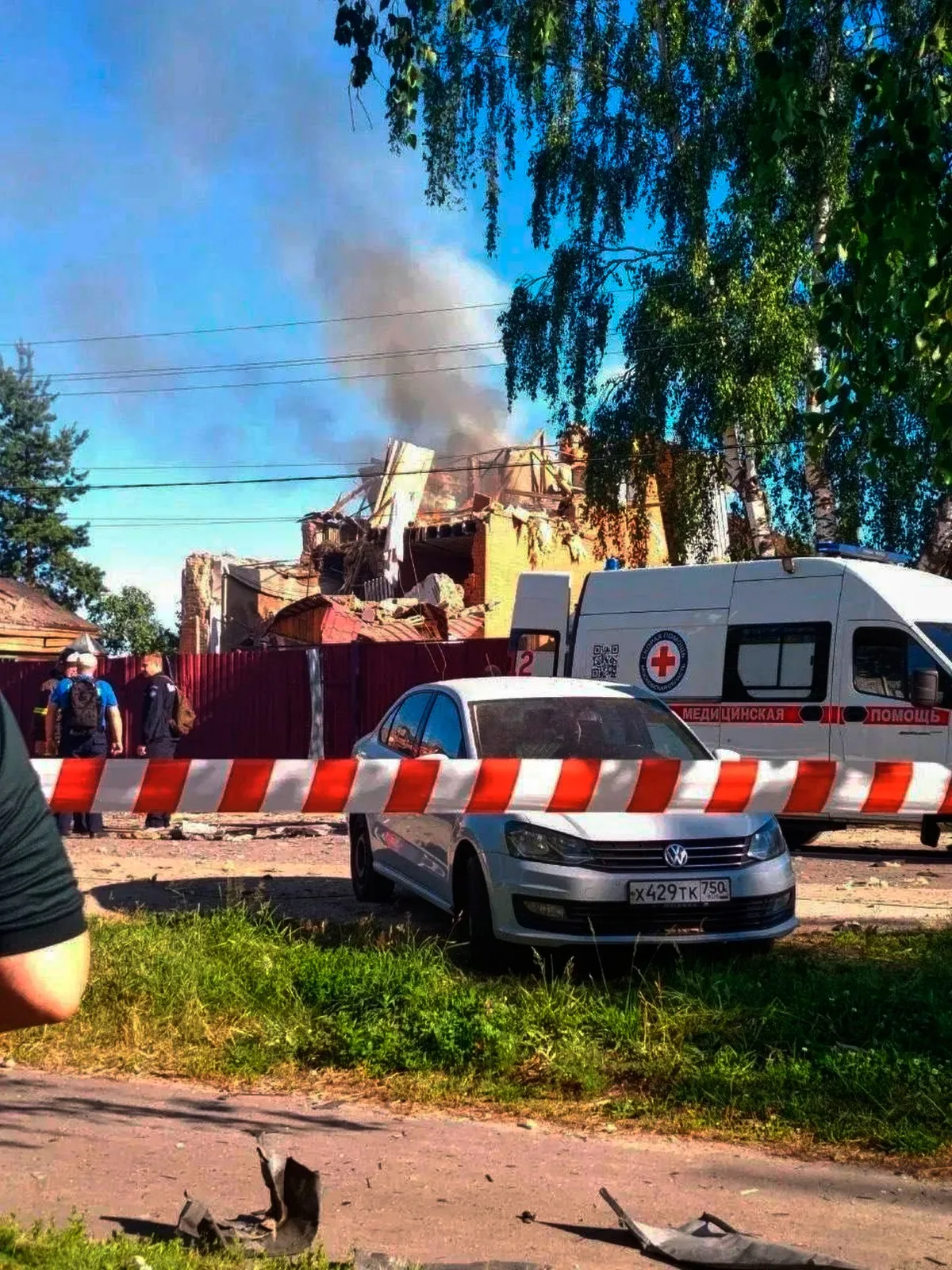
Ukraine’s sustained drone assaults have significantly strained Moscow’s defenses, forcing Russian authorities to respond to a surge in aerial threats targeting the capital and its fuel infrastructure. Over 60 drones were intercepted above Moscow in a single night, while the Defense Ministry reported nearly 420 drones destroyed across Moscow and Crimea during recent attacks.
The escalating drone strikes have disrupted fuel supplies, generating shortages and long lines at gas stations, as key refineries and storage facilities come under fire. President Vladimir Putin publicly admitted that these attacks are causing “certain shortages” and operational difficulties, although he downplayed their critical impact compared to Russian offensives inside Ukraine.

One drone strike tragically killed a six-month-old child in a town located roughly 60 miles from Moscow, underscoring the human toll of the conflict on Russian soil. Ukraine has not officially claimed responsibility for this specific attack, but President Volodymyr Zelensky described these long-range operations as “long-range sanctions,” aimed at pressuring Russia to end the war by exposing its vulnerabilities and bringing the realities of conflict directly to its homeland.
Despite Russia’s continued advances in eastern Ukraine, where Putin reiterated ambitions for what he terms the “final liberation of Donbas and Novorossiya,” the persistent drone campaigns highlight Moscow’s difficulty in shielding its territory from Ukraine’s growing capabilities. The assault on civilian and strategic targets within Russian borders reflects a shift in Ukraine’s tactics to disrupt the enemy’s logistics and morale.