

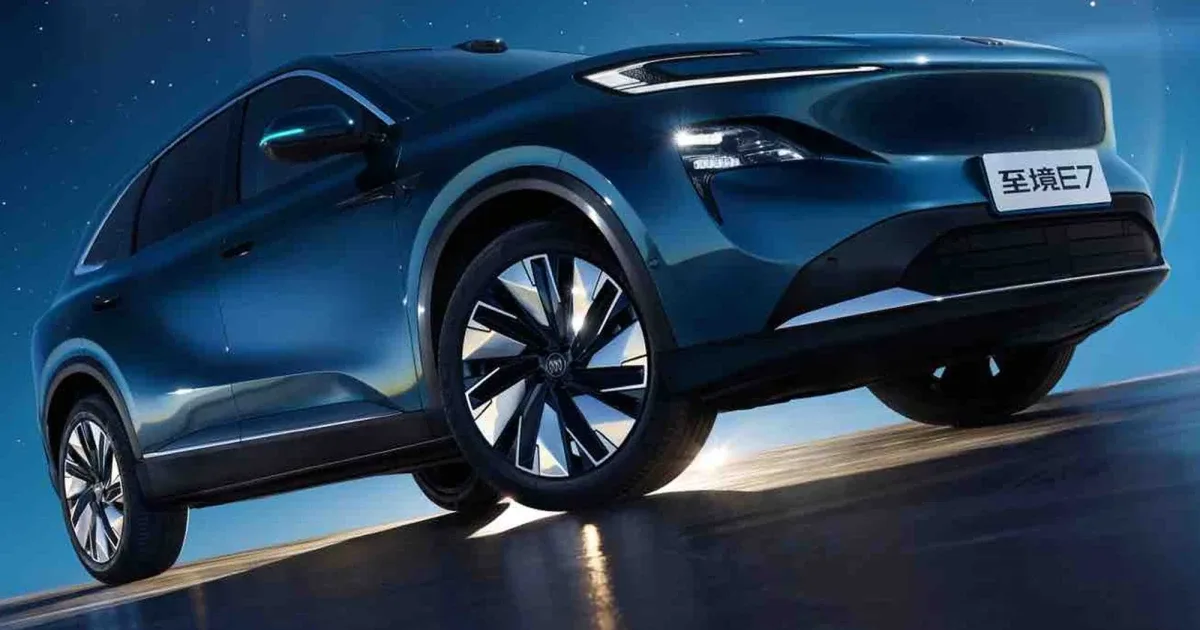
China is no longer just a manufacturing hub for global automakers; it has evolved into a crucial center for electric vehicle (EV) innovation and development. Companies like General Motors have moved the entire design, engineering, and software control of new EV models—such as the Buick Electra E7—to their Chinese technical centers. This marks a significant reversal in the traditional automotive hierarchy, where innovation decisions were formerly concentrated in Western headquarters.
The Buick Electra E7 exemplifies this trend. Developed entirely in collaboration with GM’s local partner SAIC, the vehicle was tailored to the preferences and demands of Chinese consumers. In its debut month, the Electra E7 sold more than 10,000 units—a rare achievement for a foreign brand in China’s fiercely competitive market. Furthermore, GM plans to export this model to South Korea and incorporate the Electra E7’s China-built platform into upcoming global models, including the Cadillac Optiq, demonstrating how product development is now flowing outward from China.

This strategic shift extends beyond production to encompass control over key EV components such as electric powertrains, cockpit software, and driver-assistance systems. Automakers including Volkswagen and Renault are increasingly empowering their Chinese engineering teams to lead advancements in these areas, recognizing that some of the fastest innovation cycles are driven by China’s local market and technology ecosystem. This transfer of control is reshaping the global automotive value chain, embedding Chinese expertise and preferences in vehicles destined not only for China but also other international markets.