

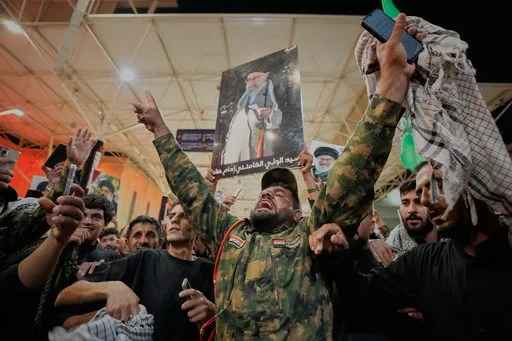
In a stark escalation of hostilities, President Donald Trump announced that the United States is preparing for renewed strikes against Iran, warning that civilian infrastructure such as electric and desalination plants could be targeted. The president also suggested the U.S. might seize Kharg Island, a strategic hub with vital oil facilities, signaling a significant intensification of military actions.
The announcement followed a series of Iranian attacks on American military installations in the Gulf, which marked the unraveling of a fragile ceasefire. Speaking at a NATO summit in Turkey, Trump said the U.S. “hit them very hard” in previous strikes and anticipated another round of assaults. He linked the retaliatory strikes to Iran’s recent aggression against commercial vessels in the Strait of Hormuz, where Iranian drones and missiles reportedly targeted ships.

This surge in conflict raises concerns about a broader regional war and heightened disruption to global energy supplies, given the Strait of Hormuz’s critical role in international oil transportation. Trump declared the ceasefire “over” but left open the possibility of continuing negotiations, though he expressed skepticism about their success, stating that ongoing talks might be a waste of time. The diplomatic efforts were originally set to proceed after the funeral of Iran’s late Supreme Leader, a period thought to be suited for easing tensions. Instead, the violent exchanges have renewed fears of an expanding conflict with far-reaching consequences for Middle East stability and global markets.